Pyongyang Intensifies Missile Activity with Sequential Launches in Eastern Waters
### Rapid-Fire Ballistic Tests Spark Regional Alarm
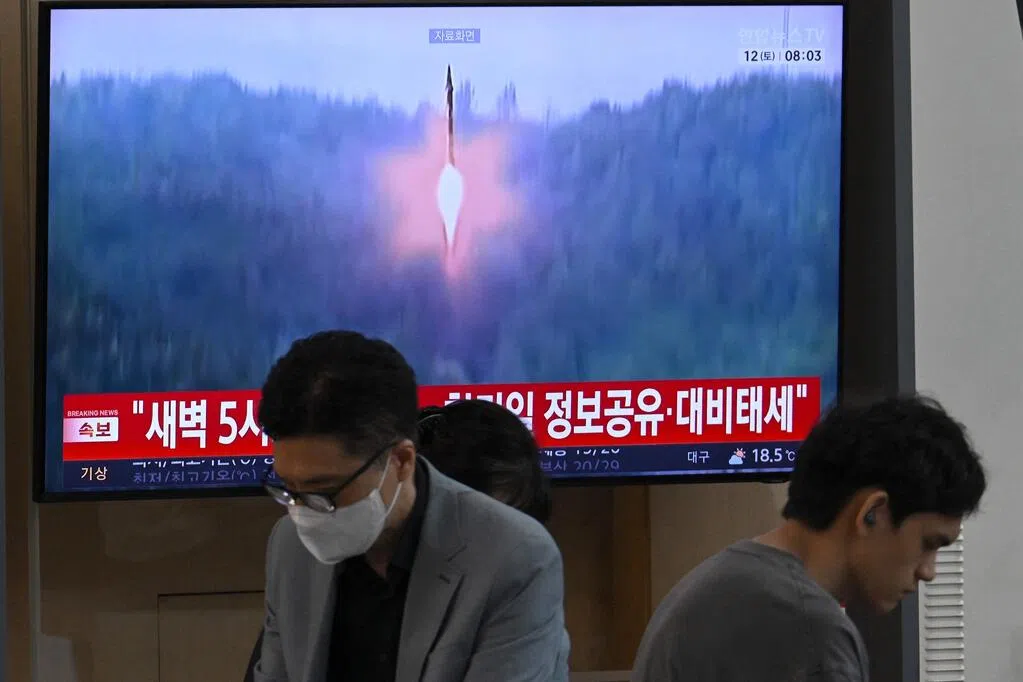
In a clear display of military assertiveness, North Korea carried out a series of missile launches on Sunday, targeting the eastern waters of the Korean Peninsula. According to reports from Yonhap News Agency, the first ballistic missile was detected around 3:00 PM local time. However, the tension escalated further when a second projectile was launched only a few hours later, signaling a coordinated effort to test rapid-fire capabilities.
### Monitoring and Trajectory Analysis
Japanese authorities closely monitored the flight paths of the weaponry. The Japanese Ministry of Defense confirmed that the second missile followed a trajectory that eventually saw it splash down in the sea. Crucially, Japanese officials noted that the impact point was located outside the Japanese Exclusive Economic Zone (EEZ), thereby avoiding a direct violation of Japan's sovereign maritime boundaries, although the flight path still caused significant concern among residents in coastal areas.
### A Pattern of Escalation
This latest activity is not an isolated incident but rather part of a broader trend of provocations. Just eight days prior, on September 12, Pyongyang conducted another wave of tests, launching several short-range ballistic missiles. At that time, the North Korean military justified the activity as part of a "joint firepower strike training" exercise. Analysts suggest that these frequent tests are designed to demonstrate readiness and to maintain a high level of psychological pressure on neighboring adversaries.
### The Geopolitical Trigger: Freedom Edge
Security experts point to a specific catalyst for this recent surge in missile activity: the "Freedom Edge" joint military exercises. These routine but high-profile drills involve the trilateral cooperation of the United States, South Korea, and Japan. The September 12 launches occurred exactly one day after the conclusion of these exercises. Pyongyang has historically viewed such trilateral drills as provocative and as a rehearsal for potential hostile actions against its territory, often responding with its own displays of force to signal its disapproval.
### Regional Implications and Security Outlook
The timing and frequency of these launches highlight the fragile nature of the security architecture in Northeast Asia. By conducting sequential tests, North Korea is not only testing the technical reliability of its hardware but also probing the reaction times and detection capabilities of the integrated missile defense systems operated by the US-led alliance.
South Korea and Japan have repeatedly emphasized their commitment to strengthening deterrence and enhancing intelligence sharing to counter these threats. The repetitive nature of these launches suggests that North Korea is utilizing its missile program as a strategic bargaining chip in a stalled diplomatic environment. As the region remains on high alert, the international community continues to monitor whether these provocations will lead to further sanctions or if they serve as a precursor to a different strategic shift in Pyongyang's foreign policy. The ongoing cycle of military drills followed by missile responses creates a volatile loop that increases the risk of accidental escalation in one of the world's most sensitive geopolitical hotspots.