Prime Minister Sanae Takaichi Foregoes Yasukuni Shrine Visit to Prioritize Regional Diplomacy
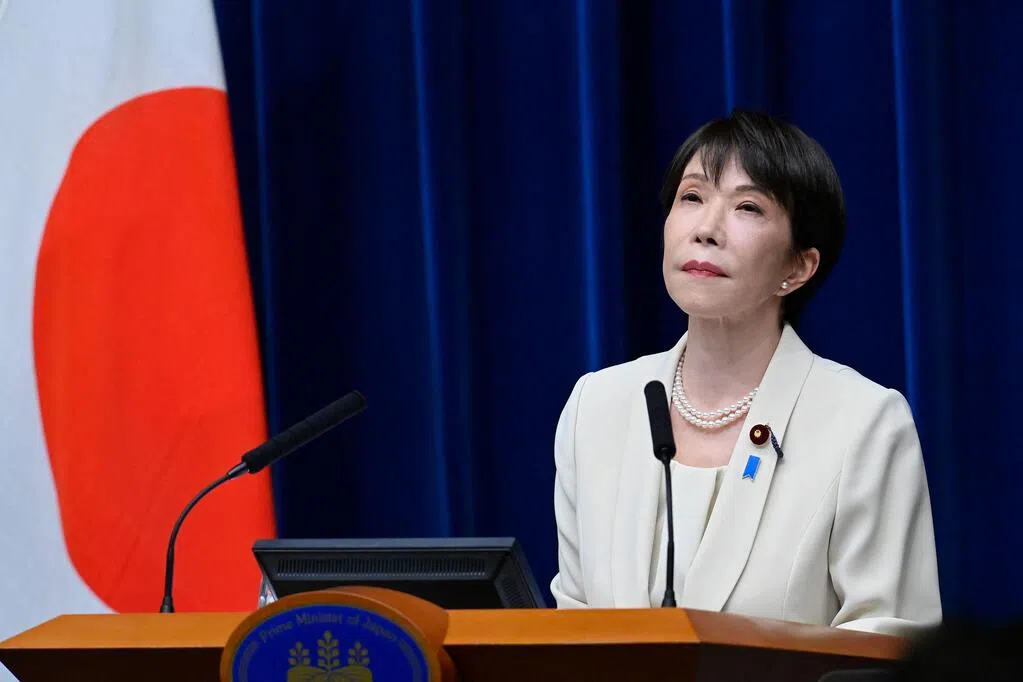
### Tokyo Navigates Diplomatic Tightrope as Prime Minister Skips Controversial Shrine Visit
In a move signaling a preference for regional stability over ideological symbolism, Japanese Prime Minister Sanae Takaichi has decided against visiting the Yasukuni Shrine on August 15, the anniversary marking the end of World War II. According to several well-informed sources, the Prime Minister has already initiated the necessary coordination to ensure her absence from the site, a decision that carries significant weight in the volatile landscape of East Asian geopolitics.
**The Diplomatic Stakes**
The decision comes at a critical juncture for Tokyo's foreign policy. In recent months, Japan has seen a fragile but steady improvement in bilateral relations with South Korea. Furthermore, the strategic trilateral cooperation between Japan, the United States, and South Korea has become a cornerstone of regional security. Analysts suggest that a high-profile visit by a sitting Prime Minister to Yasukuni—a shrine that honors Japan's war dead, including convicted Class-A war criminals—would likely have acted as a catalyst for renewed tension, potentially erasing the progress made in Seoul.
Beyond the immediate neighborhood, Beijing's reaction is a primary concern. China has historically viewed such visits as a denial of wartime atrocities and a sign of lingering militarism. By opting out of the visit, Takaichi is attempting to mitigate the risk of a severe diplomatic backlash from China, which could have repercussions for trade and security.
**A Shift in Political Posture**
This decision marks a notable evolution in Takaichi's own political behavior. Before ascending to the premiership, Takaichi was known as a staunch conservative. During her tenure in various cabinet positions, she frequently visited the shrine during the 'End of War Day' and the traditional spring and autumn festivals to maintain her standing with the conservative wing of the Liberal Democratic Party (LDP).
However, since becoming the president of the LDP last October, Takaichi has moderated her approach. She skipped both the autumn festival last year and the spring festival earlier this year, choosing instead to make private financial offerings known as 'Tamagushi.' This shift reflects a calculated transition from a party leader to a head of government, where the requirements of national diplomacy outweigh individual ideological leanings.
**Historical Precedents and Current Priorities**
The ghost of 2013 looms large over this decision. It was the last time a sitting Japanese Prime Minister, Shinzo Abe, visited the shrine in an official capacity. Abe's visit sparked an immediate and fierce outcry from China and South Korea. Even the United States government expressed deep concern at the time, stating it was 'disappointed' by actions that exacerbated tensions with neighboring countries. Since then, subsequent leaders—including Yoshihide Suga, Fumio Kishida, and Shigeru Ishiba—have avoided visiting the shrine, opting instead to send offerings via proxies or through private donations.
In addition to diplomatic considerations, Takaichi is shifting her internal focus toward urgent domestic crises. The Prime Minister has indicated that her primary energy will be directed toward the recovery and reconstruction efforts in the regions devastated by the Kumamoto earthquake. By centering her agenda on disaster relief, she provides a tangible alternative to the symbolic controversy of the shrine visit.
**Official Stances**
When questioned about the matter during a press conference on August 7, Chief Cabinet Secretary Terumi Kihara remained cautious, stating that the final determination would be left to the Prime Minister's own judgment. This follows Takaichi's own earlier comments upon becoming LDP president, where she noted that she would make appropriate judgments based on the circumstances, emphasizing that her actions should not become a catalyst for diplomatic disputes. This pragmatic approach suggests that Tokyo is currently prioritizing a stable geopolitical environment over the ideological demands of its internal conservative base.