Federal Reserve Holds Interest Rates Steady Amidst Political Tension and Inflation Warnings
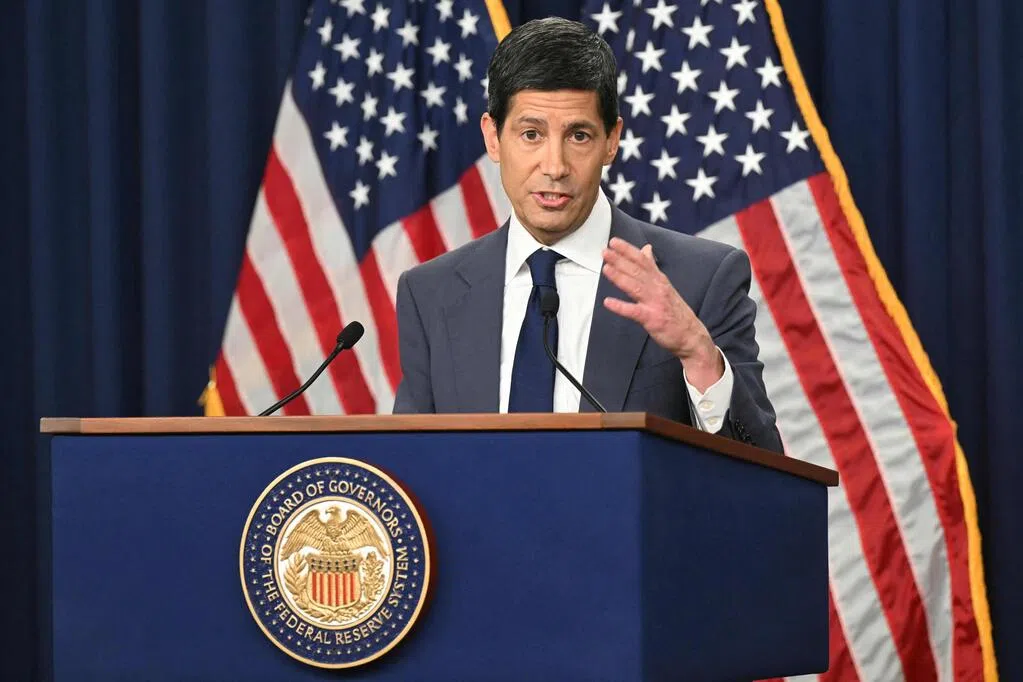
In a move that has ignited both political and economic debate, the Federal Reserve announced on Wednesday its decision to maintain the current federal funds rate within a target range of 3.75% to 4%. This announcement comes at a highly sensitive juncture, with the United States preparing for midterm elections scheduled for next Tuesday, November 3. The timing has naturally led to scrutiny regarding whether the central bank is attempting to avoid destabilizing the economy during a critical voting window.
The decision was not unanimous. The Federal Open Market Committee reached the verdict with a 10-2 vote. The two dissenting voices, Vice Chair Cook and Cleveland Fed President Hamack, both advocated for a 0.25 percentage point increase, reflecting a more hawkish stance on combating persistent inflation. Following the vote, Fed Chair Wash addressed the media, admitting that the decision was the result of intense internal deliberations. He expressed his confidence in the outcome, stating that the board had made the right call given the current economic climate.
Crucially, Wash went to great lengths to distance the Federal Reserve from the political fray. He explicitly denied that the decision was influenced by the upcoming elections, countering previous assertions made by President Trump, who had suggested that Fed governors were acting out of partisan bias. Wash noted that during two days of rigorous discussion, not a single mention of politics, the elections, or the immediate political calendar was made by the committee members. He emphasized that the central bank remains an independent body focused solely on economic data.
Despite the pause, the political atmosphere remains strained. President Trump has historically pressured the Fed to lower rates to stimulate growth. Although the Fed had previously implemented a rate hike in September—the first in three years—Trump has continued to criticize certain members of the board, alleging they possess a malicious intent driven by political leanings. Treasury Secretary Bessent, in a recent interview with CNBC, expressed confidence in Wash's leadership to balance growth and inflation. However, Bessent also reiterated the administration's opposition to further rate hikes, arguing against the notion that the Fed must aggressively suppress inflation to avoid appearing ineffective.
While the political battle rages, economic analysts are raising alarms about the potential for a policy miscalculation. Some critics, including analysts from CNN, suggest that by holding rates steady while inflation remains elevated, the Fed may be repeating the mistakes of 2021. During that period, the Fed initially dismissed rising prices as a 'transitory' phenomenon following the pandemic, a misjudgment that eventually forced a series of aggressive, rapid rate hikes in 2022 that severely impacted the housing and financial markets.
Current data suggests that inflation may be more entrenched than the Fed's current pause implies. There has been an unexpected rebound in housing and rental costs, and service-sector inflation remains higher than anticipated. Furthermore, the massive surge in investments toward Artificial Intelligence (AI) data centers has created an overheating effect in several sectors, driving up the costs of electricity, construction materials, and consumer electronics like smartphones and PCs. Adding to these domestic pressures is the volatility in the Middle East; any further escalation in the conflict between Iran and Israel could send energy prices skyrocketing.
With more data expected in the coming weeks, the Federal Reserve is positioning itself to make a more informed decision during its December meeting. However, the prevailing fear among economists is that the current hesitation may leave the Fed with no choice but to implement much larger and more disruptive rate increases at the end of the year to bring inflation under control.