Trump Signals Readiness to Collaborate with Democrats While Embracing "Mr. Veto" Role
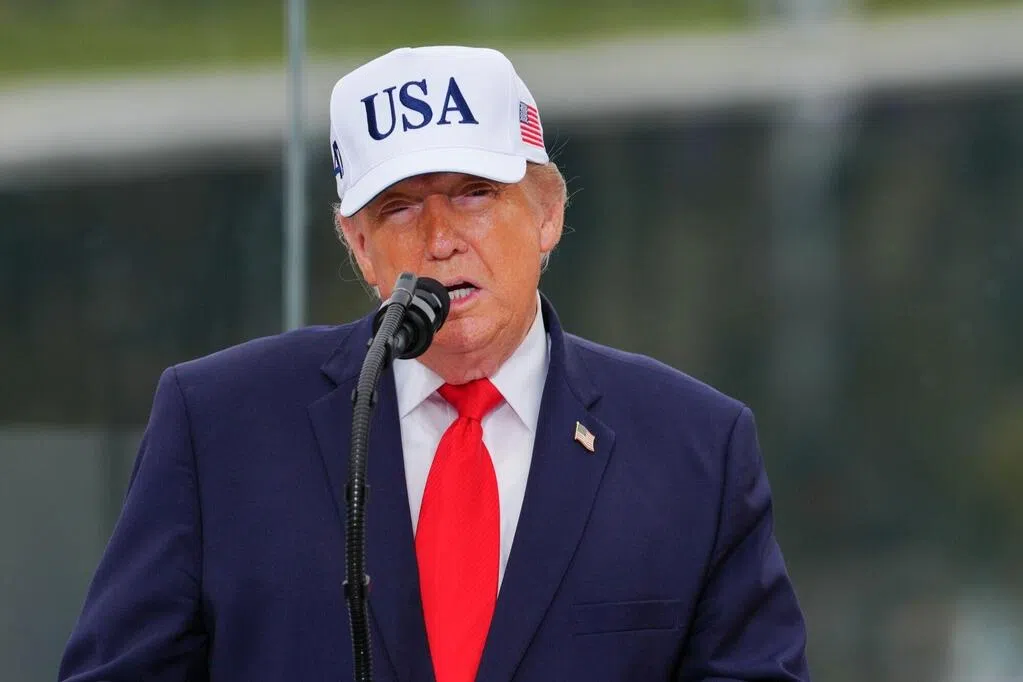
In the wake of the latest US midterm elections, President Donald Trump has signaled a surprising openness to bipartisan cooperation. During an interview with the New York Times on Tuesday evening, conducted while he monitored the election results from the White House, the President stated that he is fully prepared to accept the outcomes of the electoral process and looks forward to working alongside members of the Democratic Party. He suggested that there is a viable path toward reaching a consensus on key national issues, despite the deep political polarization currently gripping the country.
The President's remarks come at a precarious moment for the Republican Party. As voting concluded across various states, media outlets and political analysts widely predicted a significant shift in power. The consensus suggests that Democrats are poised to regain control of the House of Representatives and may even secure a majority in the Senate. Such a result represents a substantial setback for the Trump administration and the GOP, potentially limiting the President's ability to pass new legislation through a friendly Congress.
Addressing the potential losses, President Trump offered a unique perspective on the cause of the Republican decline. Rather than attributing the shift to policy failures or public sentiment, he suggested that the absence of his own name on the ballot as a candidate may have played a role in the party's struggle to maintain its momentum. Furthermore, the President remained steadfast in his support for several high-profile and controversial candidates. He explicitly stated that he does not regret endorsing figures such as the late Senator Graham or the Texas Attorney General Ken Paxton, despite the scandals and controversies that have trailed these individuals.
While the President projected an image of cooperation in his interview with the New York Times, a separate conversation with CBS provided a glimpse into his strategic approach to a potentially hostile legislature. When asked how he would navigate a government controlled by Democrats in the coming year, Trump pointed to the constitutional tools at his disposal. He described the presidential veto as his "ultimate power," indicating that he is fully prepared to block legislation that does not align with his vision for the country.
In a moment of characteristic confidence, the President noted that he would be more than comfortable adopting the moniker "Mr. Veto" if the Democrats secure the majority in either chamber of Congress. This stance suggests that while he is open to negotiation and consensus, he is equally prepared for a period of legislative deadlock, using his executive authority to stall Democratic initiatives.
Despite the looming possibility of becoming a "lame duck" president with limited legislative support, Trump maintained a highly optimistic tone regarding the future. He emphasized his confidence in his ability to advance his primary agenda over the next two years, regardless of the composition of Congress. The President's duality—expressing a desire for cooperation while simultaneously preparing for a strategic standoff—highlights the complex political landscape he intends to navigate as he enters the final stretch of his presidency.