Iran Signals Military Readiness as US Rejects Proposal to De-escalate Strait of Hormuz Tensions
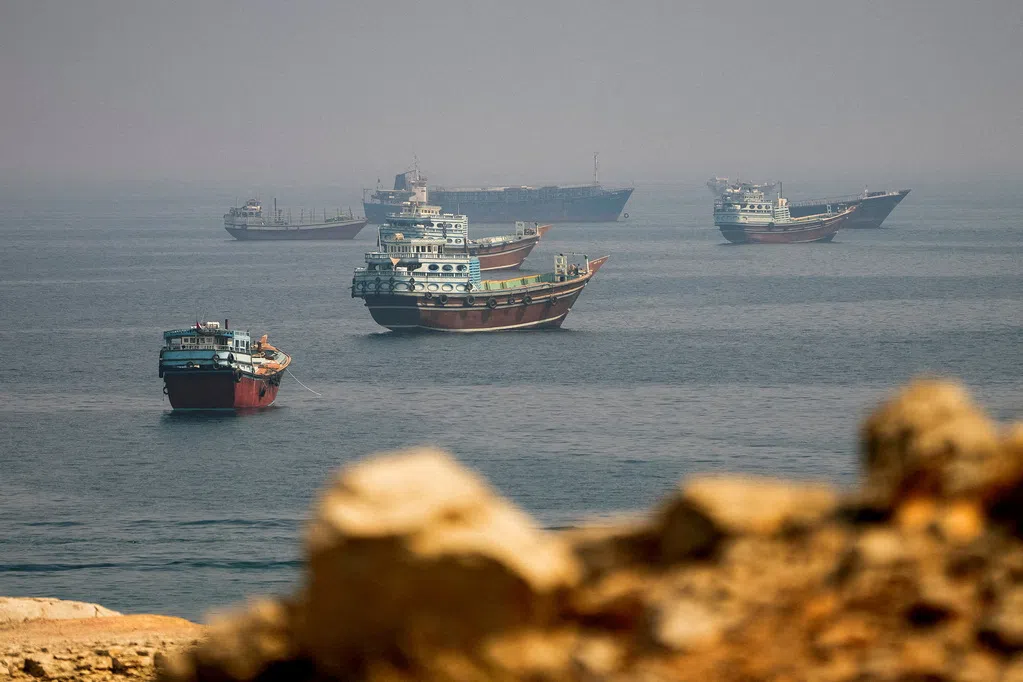
### Tensions Mount in the Persian Gulf Following Diplomatic Deadlock
Tehran has placed its armed forces on high alert, signaling a state of complete readiness to repel any potential military incursions by the United States. This escalation comes in the wake of a significant diplomatic breakdown, as U.S. President Donald Trump has formally rejected a proposal submitted by Iran aimed at ending current hostilities and ensuring the reopening of the Strait of Hormuz, one of the world's most critical maritime chokepoints.
According to reports from Iranian state media, military spokesperson Akraminia stated that the nation's defense apparatus is fully mobilized and prepared for confrontation. The spokesperson issued a stern warning to Washington, asserting that any renewed military aggression against Iranian soil or interests would be met with a fierce response, leading to significantly higher casualties and losses for the American side than in previous encounters. The rhetoric underscores a hardening stance in Tehran, where the military leadership views current developments as a direct challenge to their national sovereignty.
Adding to the gravity of the situation, General Hatami, the Commander-in-Chief of the Iranian Army, characterized the present moment as a decisive and critical phase in the ongoing conflict. General Hatami emphasized that the Iranian government cannot tolerate a scenario where its own trade capabilities are paralyzed while foreign powers continue to exploit the strategic waterways of the region for their own benefit. He framed the ability to navigate and trade through the Strait of Hormuz not merely as an economic necessity, but as a fundamental issue of national pride and survival.
In a series of pointed remarks, Hatami argued that the global community must recognize the interdependence of regional stability and Iranian access to the sea. He asserted that if Iran is denied the ability to conduct trade and ensure its own survival, then the waterway would effectively become impassable for all other international actors. By describing the Strait of Hormuz as a "sea of dignity and honor," Hatami made it clear that Iran considers the corridor a red line, refusing to allow the nation to be exploited while its enemies maintain control over this vital logistics artery.
This surge in hostility follows a period of failed diplomatic overtures. Sources indicate that Tehran had suggested a seven-day ceasefire and a roadmap for peace, which were subsequently dismissed by the White House. The rejection of these terms has left a diplomatic vacuum, filled instead by threats of increased military pressure. Furthermore, reports suggest that the U.S. administration may be timing its strategic maneuvers around the upcoming November elections, with some indications that military options could be revisited or intensified once the political cycle in Washington concludes.
The geopolitical implications of this standoff are immense. The Strait of Hormuz is the primary artery for global oil shipments, and any sustained conflict in the area could trigger a massive spike in energy prices, destabilizing global markets. While Iran continues to insist that it prefers a diplomatic resolution to the conflict, the mobilization of its army suggests that it is preparing for the worst-case scenario. As both superpowers remain entrenched in their positions, the region remains on a knife-edge, with the risk of a miscalculation leading to a full-scale maritime conflict.