Global Oil Logistics Hit by Shipping Cost Surge as Vessel Shortages Disrupt Trade
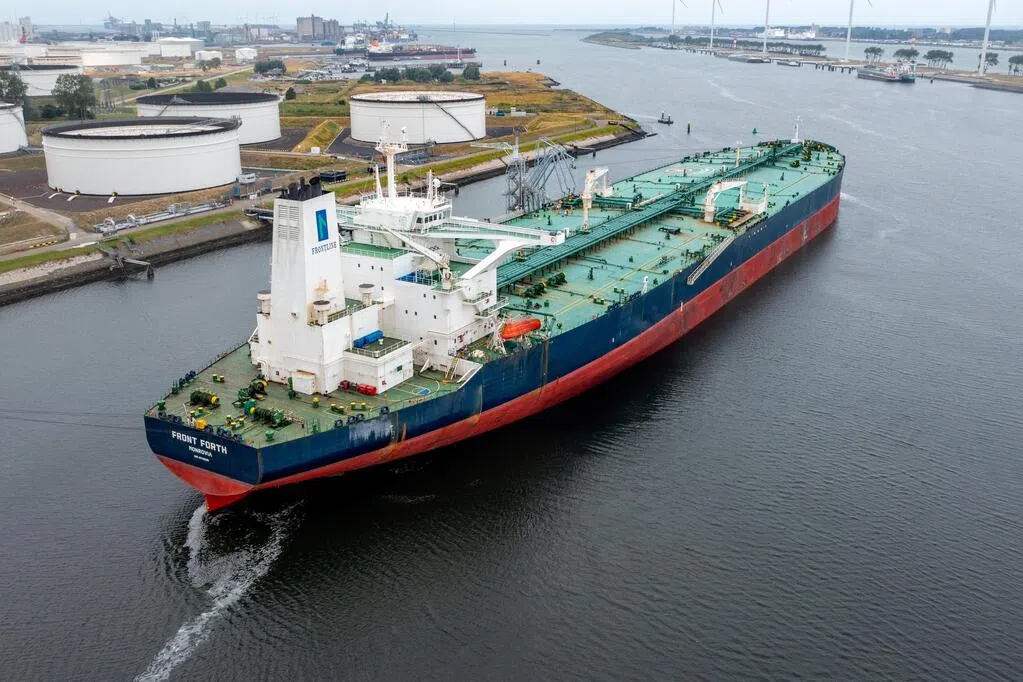
# Freight Costs Skyrocket as Global Oil Shipping Faces Critical Vessel Shortage
**NEW YORK** — The global energy landscape is currently grappling with a severe logistical crisis as skyrocketing shipping costs threaten to render traditional long-distance crude oil trades financially unsustainable. Driven largely by escalating geopolitical friction between the United States and Iran, the surge in transportation expenses is creating a bottleneck that could fundamentally alter the flow of global oil supplies.
### The VLCC Crunch
At the heart of the current turmoil is a critical shortage of Very Large Crude Carriers (VLCCs). These massive vessels are the backbone of long-haul oil transport, but industry reports indicate that in several key regions, available VLCCs have virtually vanished from the charter market. This scarcity has stripped long-distance shipments of their economic appeal, forcing oil refineries to pivot their procurement strategies toward suppliers in closer geographic proximity to avoid prohibitive freight fees.
The financial impact of this shortage is stark. For shipments originating from Houston and destined for Asian markets, the cost to transport a single barrel of oil has climbed by approximately $26. When scaled to the size of a full tanker, this translates to an additional $52 million in expenses per voyage. To put this in perspective, this cost hike represents nearly a quarter of the current futures price for West Texas Intermediate (WTI) crude.
### Market Volatility and Shifting Trade Patterns
Oil traders are increasingly alarmed that these exorbitant freight rates are cannibalizing the profit margins of refineries. When the cost of moving the product exceeds the value added through processing, the incentive for long-haul imports disappears.
Saad Rahim, the Chief Economist at the trading giant Trafigura, highlighted the severity of the situation during the Bloomberg Commodity Investors Forum. According to Rahim, the current trajectory of oil shipping costs is unprecedented, reaching heights that the industry has rarely encountered.
Data provided by freight analytics firm Vortexa confirms this trend. In recent weeks, there has been a noticeable decline in crude shipments from the United States to Asia, coinciding with freight rates that have tripled in some instances. This logistical barrier is effectively decoupling certain markets, forcing a redistribution of energy resources.
### The Ripple Effect on Spot Prices and Vessel Classes
The crisis is not limited to the largest vessels; it is cascading through the entire shipping hierarchy. In Europe, the desperate scramble for short-haul crude has driven the spot price of Brent crude above $131 per barrel, significantly outpacing the Brent futures price, which hovered around $110. This disparity underscores a market where immediate, local availability is valued far more than future delivery.
As VLCCs become unavailable or unaffordable, refineries are turning to smaller alternatives to keep their operations running. Asian refineries, for instance, have begun utilizing Aframax tankers—which carry roughly 700,000 barrels—to transport US crude, a task typically reserved for the much larger VLCCs.
Similarly, some shipments from Atlantic ports are being split across two Suezmax vessels, each carrying 1 million barrels, rather than using a single VLCC. This shift in demand has sent Suezmax daily earnings soaring past $300,000, a rate comparable to the high-risk premiums typically seen for vessels operating near active conflict zones.
Industry observers remain concerned about the longevity of this trend. While the market is adapting through the use of smaller ships and localized sourcing, the overall fragility of the supply chain remains high. As long as geopolitical instability continues to disrupt primary shipping lanes and vessel availability, the cost of energy will likely remain sensitive to the whims of maritime logistics.