Healing the Breadbasket: NATO-Backed Phytoremediation Project Aims to Restore Ukraine's Contaminated Soils
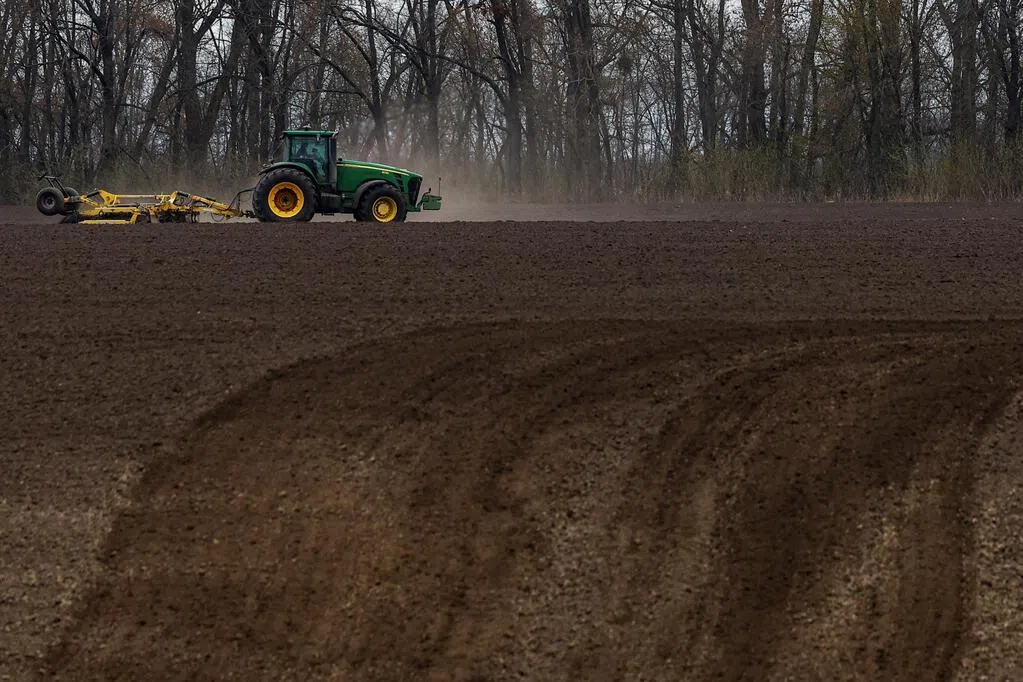
For nearly half a decade, the conflict in Ukraine has not only displaced millions of people but has also left a devastating environmental legacy. The nation, long celebrated as the "breadbasket of Europe" due to its legendary fertile black soils known as Chernozem, now faces a silent crisis: widespread soil contamination. Years of heavy artillery, military vehicle movements, and the destruction of industrial infrastructure have seeped petroleum products, explosives, and heavy metals into the earth, rendering vast tracts of land hazardous and unfit for cultivation.
To combat this ecological catastrophe, a specialized team of scientists from the Jan Evangelista Purkyně University in the Czech Republic has launched an ambitious environmental recovery project. Funded by NATO under the "Science for Peace and Security" program, the initiative seeks to employ a biological solution known as phytoremediation. The project, which carries a total budget of 346,000 euros, is a multinational effort involving partners from Canada, the United States, Croatia, Kazakhstan, and Ukraine. This scientific coalition is working toward a goal that extends through 2027 and beyond.
At the heart of this effort is the use of giant miscanthus, a hardy perennial grass originating from East Asia. The research team has already begun planting the species in Volzel, located on the outskirts of Bucha. This area holds significant symbolic and physical weight, having been occupied by Russian forces in 2022. Although the region has since been reclaimed and cleared of landmines, the soil remains deeply scarred. Professor Pidlisnyuk, one of the project leaders, notes that the land suffers from severe compaction, loss of native vegetation, and a general collapse of ecosystem functions, making it nearly impossible for traditional crops to thrive.
Giant miscanthus is uniquely suited for this challenge. Capable of growing up to four meters in height, the plant thrives in degraded environments where other species fail. Its most critical feature is its massive, deep-reaching root system. These roots act as biological filters, trapping heavy metals and other contaminants within the subsurface architecture while keeping the above-ground biomass relatively clean. This allows the plant to be harvested for biomass energy—such as heating—without spreading pollutants further into the food chain.
Beyond simple detoxification, the grass actively regenerates the soil. Approximately 40% of the products from photosynthesis are transported through the roots and into the earth. This process increases soil organic matter, preserves carbon, and restores humus, which is essential for fertility. Furthermore, these root secretions stimulate the growth of beneficial soil microbes, which accelerate the natural decomposition of organic pollutants like petroleum.
Despite the promise of this biological approach, the road to recovery is a long one. Environmental restoration on this scale cannot be rushed. Experts emphasize that for the project to reach its full potential, the giant miscanthus must remain in the ground for 20 to 25 years. During this window, the plants will continuously scrub the soil of toxins and rebuild its structure. Only after this extensive period will the biomass be removed, hopefully leaving behind a pristine environment where traditional agriculture can once again flourish, ensuring that Ukraine's agricultural heritage is preserved for future generations.