NATO Intensifies Black Sea Surveillance Following Wave of Maritime Attacks
# NATO Bolsters Eastern Flank as Maritime Tensions Surge in the Black Sea
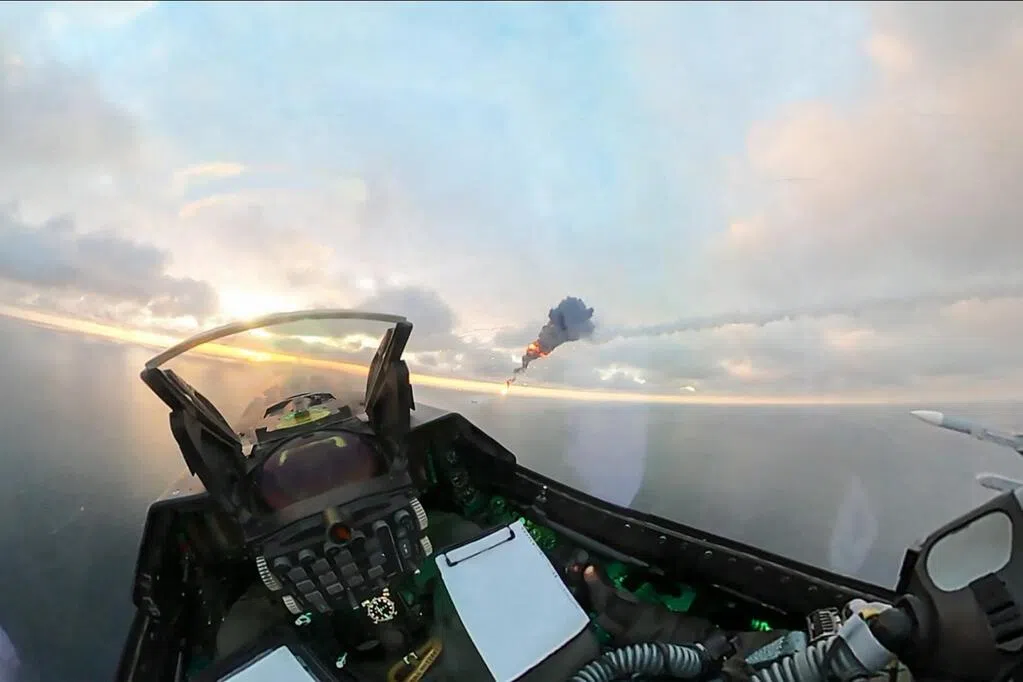
**BRUSSELS** — In a decisive move to counter growing instability in the Black Sea, the North Atlantic Treaty Organization (NATO) has initiated the deployment of enhanced surveillance and defense assets to the region. This strategic escalation comes in the wake of a series of targeted attacks on civilian shipping vessels operating near the territorial waters of Romania and Bulgaria, sparking international alarm over the safety of commercial maritime corridors.
### Strengthening Situational Awareness
According to a statement released by spokesperson O'Donnell of the Allied Command Operations, the alliance is mobilizing a diverse array of capabilities to ensure a comprehensive operational picture of the region. The deployment includes maritime patrol aircraft, sophisticated radar installations, unmanned aerial vehicles (UAVs), and specialized explosive ordnance disposal (EOD) teams. Additionally, a surge of intelligence personnel is being redirected to the area to monitor potential threats in real-time.
O'Donnell emphasized that the primary objective of this deployment is the drastic improvement of "situational awareness." By integrating more sensors and streamlining data-sharing protocols among member states, NATO aims to identify and track hostile movements before they can manifest into direct attacks. The focus is on creating a transparent operational environment where any anomaly in the Black Sea can be detected and analyzed instantaneously.
### A Pattern of Escalation
The maritime security crisis has reached a tipping point following multiple strikes on civilian ships near the shores of Romania and Bulgaria. Both nations are pivotal members of both NATO and the European Union, making the attacks not only a threat to commercial shipping but a direct challenge to the security architecture of the West. Reports indicate that several crew members have been declared missing or dead following these incursions, leading to widespread condemnation across European capitals.
Kaja Kallas, the EU's High Representative for Foreign Affairs and Security Policy, described the situation as a "dangerous and unacceptable escalation." Kallas noted that at least six suspected drone attacks occurred within a mere ten-day window. She explicitly attributed these actions to the Kremlin, arguing that Russia is utilizing maritime sabotage to cripple Ukraine's ability to export grain through the Black Sea—a critical lifeline for both Kyiv's economy and global food security.
### Strategic Deployments and Deterrence
In response to the immediate plea for assistance from Bulgaria, Prime Minister Radev confirmed that a United States P-8 Poseidon maritime patrol aircraft has already commenced operations over the Black Sea. The P-8 is specifically designed for anti-submarine warfare and long-range surveillance, providing NATO with a high-altitude vantage point to monitor surface and sub-surface activities.
Meanwhile, in Brussels, NATO spokesperson Hart briefed ambassadors from the 32 member states on the alliance's broader strategy for its eastern flank. Hart highlighted that while the alliance has already augmented its anti-drone capabilities in the region, the current surge in hostilities necessitates additional equipment and a renewed commitment to unity. The goal is to provide a credible deterrent that ensures the safety of the alliance's one billion citizens.
### The Broader Geopolitical Context
The current volatility is not an isolated incident but part of a broader pattern of hybrid warfare. Since the onset of the conflict in Ukraine, the Black Sea and Baltic regions have seen a rise in "gray zone" activities. This includes the use of "shadow fleets"—vessels that allegedly spoof their GPS locations to avoid detection or sanctions—and the deployment of kamikaze drones against non-military targets.
Analysts suggest that by targeting civilian infrastructure and shipping, Moscow is attempting to create a zone of insecurity that forces commercial traffic away from the region, effectively establishing a de facto blockade of Ukrainian ports. As NATO increases its footprint, the risk of accidental engagement remains high, yet the alliance maintains that its presence is purely defensive and necessary to maintain the rule of law at sea.