US Pledges $3.6 Million in Emergency Relief for Nepal After Catastrophic Himalayan Floods
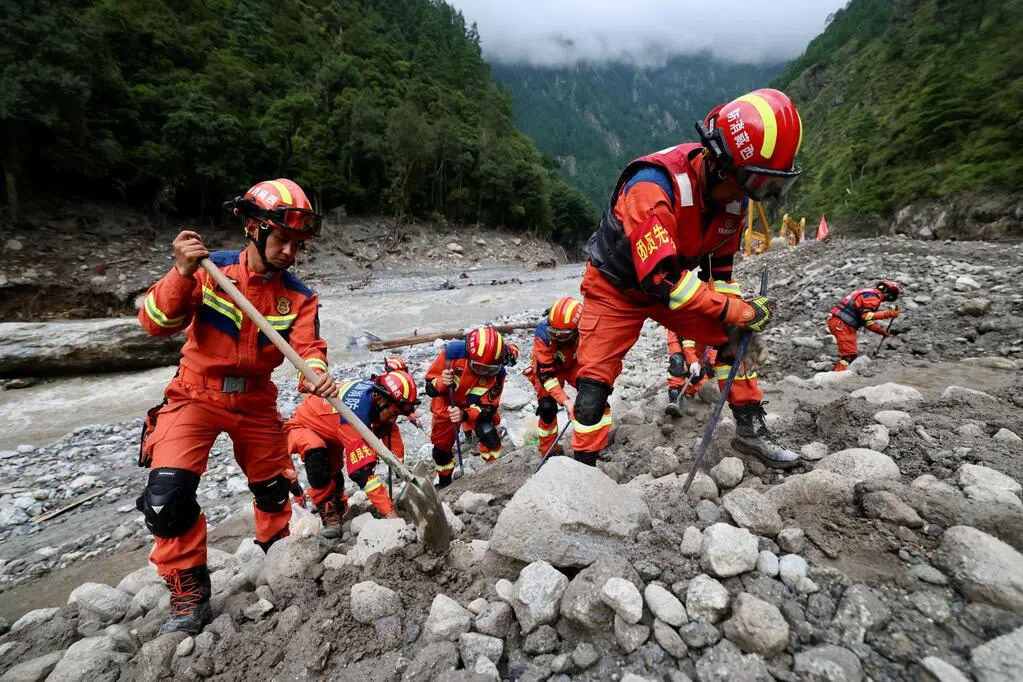
In a swift response to a burgeoning humanitarian crisis in South Asia, the United States government has committed $3.6 million in emergency assistance to Nepal. This financial pledge comes in the wake of a series of catastrophic natural disasters that have ravaged the Himalayan region, leaving a trail of destruction, hundreds of fatalities, and thousands of people missing. The announcement was made by the U.S. Department of State on Saturday, emphasizing a commitment to stand in solidarity with the Nepalese people during this period of profound grief and instability.
The core of the American aid package is designed to address the most immediate and pressing need: food security. According to official statements, the funds will be utilized to provide emergency food supplies to as many as 10,000 families who have been displaced or left destitute by the floods. These provisions are intended to sustain the affected populations for at least three months, providing a critical lifeline as the country begins the arduous process of recovery and reconstruction.
The disaster was triggered on Wednesday, August 26, when a massive mountain collapse occurred in the rugged terrains where Nepal borders the Tibet Autonomous Region of China. The geological failure resulted in colossal mudslides that blocked vital river channels, creating temporary dams that eventually burst and unleashed torrents of water and debris upon the valleys below. The scale of the flooding was unprecedented, sweeping away entire villages and critical infrastructure in a matter of hours.
The human cost of the tragedy is staggering. As of Friday, reports indicate that at least 579 people have perished in Nepal, while another five deaths have been confirmed in the Tibet region. However, the number of missing persons suggests that the final death toll could climb significantly. In Nepal alone, 1,924 individuals remain unaccounted for, while 558 people are missing in Tibet. Among the missing in Nepal is a significant number of specialized workers—933 employees from local hydropower stations—who were caught in the path of the floods while maintaining critical energy infrastructure.
Furthermore, the disaster has an international dimension, as at least 517 foreign nationals are reported missing. Many of these individuals were pilgrims who had traveled to the sacred sites of Mount Kailash and Lake Mansarovar, venturing into the high-altitude border regions for spiritual journeys. The loss of these travelers has prompted diplomatic concerns and the mobilization of international rescue efforts. For instance, Singapore has already dispatched a specialized team to Nepal to assist its citizens caught in the catastrophe.
Despite the scale of the tragedy, the rescue operation has faced significant hurdles. Reports suggest that Nepal has been selective and limited in its acceptance of international professional support, potentially due to logistical constraints or administrative hurdles in coordinating foreign military and civilian assets in sensitive border zones. This has placed an immense burden on local rescue teams and the limited resources of the Nepalese government.
The Himalayan region is increasingly vulnerable to such extreme weather events and geological instabilities, often exacerbated by the effects of global climate change and rapid infrastructure development in fragile ecosystems. The current crisis highlights the urgent need for better early warning systems and more resilient urban planning in mountainous territories. As the United States and other nations provide financial and logistical aid, the long-term focus must shift toward building a more sustainable and disaster-ready infrastructure to prevent such a high loss of life in the future.