Burnham Launches New Era for Britain with Bold Cabinet Appointments and Promise of Systemic Reform
In a day of swift political transition and high-stakes reorganization, Britain's newly minted Prime Minister, Burnham, has wasted no time in assembling a powerhouse cabinet designed to steer the country toward what he describes as a transformative new era. The announcement, released by the Prime Minister's Office on Monday, July 20, signals a decisive break from the immediate past and a clear intent to reshape the administrative landscape of the United Kingdom.
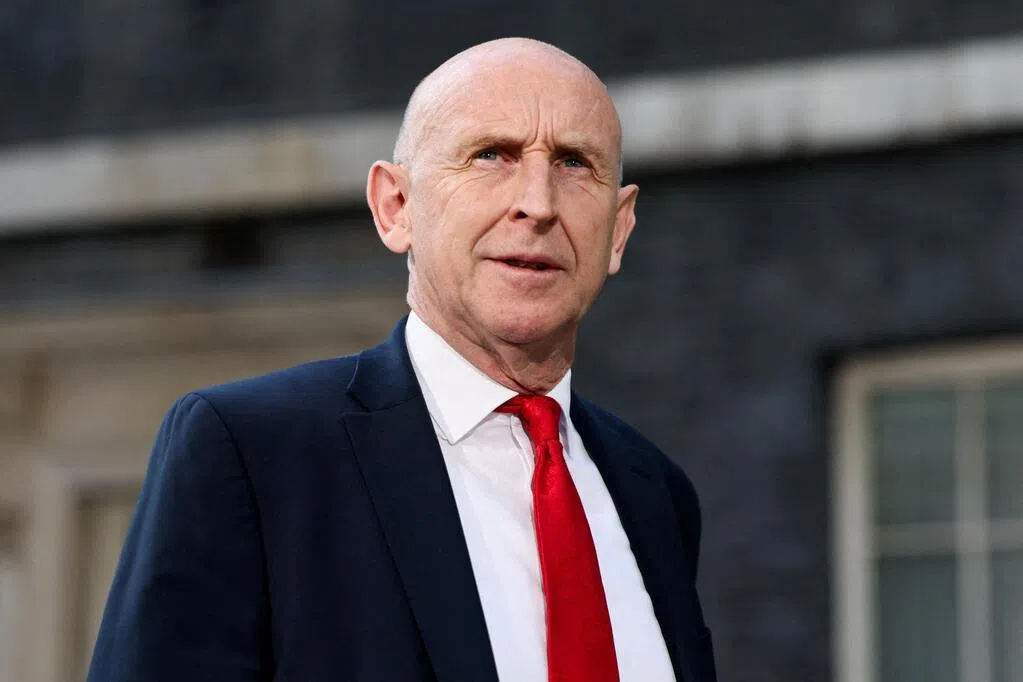
At the heart of the new administration is the appointment of John Healey as the Chancellor of the Exchequer. Healey's return to the inner circle is perhaps the most discussed move of the reshuffle. Previously serving as the Defense Secretary, Healey had famously distanced himself from the previous administration under Keir Starmer, resigning due to deep-seated disagreements over the funding and strategic direction of defense investment. Now, tasked with the nation's finances, Healey has signaled a shift in priorities. In his first media appearance as Chancellor, Healey emphasized a commitment to fiscal discipline, stating that he and Prime Minister Burnham would work in lockstep to strictly adhere to established financial rules, ensuring economic stability as the new government takes root.
Equally significant is the appointment of Wes Streeting as the new Defense Secretary. Streeting, who previously managed the Health portfolio, brings a complex political history to the role. Having once harbored ambitions to lead the Labour Party, Streeting eventually pivoted to support Burnham's bid for leadership. His transition from health to national security suggests a desire by the Prime Minister to place a loyal and strategically-minded ally in one of the government's most sensitive positions.
Beyond these primary shifts, the cabinet reflects a blend of continuity and fresh perspective. Shabana Mahmood remains a cornerstone of the administration, retaining her position as Home Secretary. Meanwhile, Ed Miliband, formerly the Energy Secretary, has been elevated to the role of Foreign Secretary, a move likely aimed at integrating energy security and climate diplomacy into the core of Britain's international relations. Yvette Cooper has been appointed as the Health Secretary, and Jonathan Reynolds takes the helm of the Department for Business, Innovation, and Science, signaling a focus on modernization and technological growth.
Speaking from the steps of 10 Downing Street shortly after his appointment by King Charles III, Prime Minister Burnham laid out a vision that transcends simple policy adjustments. He boldly claimed that his government would drive the "most significant changes in 40 years," aiming to dismantle stagnant political structures in favor of a completely new political and economic model. This vision is centered on the concept of redistribution—not just of wealth, but of power. Burnham intends to champion a model of governance that prioritizes cross-party cooperation and aggressively pushes for the devolution of power from the centralized authority in London to regional and local governments.
This shift occurs against the backdrop of Keir Starmer's resignation on Monday, which paved the way for the rapid transition of power. As Burnham assumes leadership, the eyes of the nation are on whether this new cabinet can translate its theoretical promise of systemic reform into tangible progress for the British public. By prioritizing decentralization and fiscal prudence, the Burnham administration is positioning itself as a catalyst for a structural rebirth of the British state.