Maritime Chaos in the Strait of Hormuz: Two Commercial Vessels Sink Amid Record Attack Surge
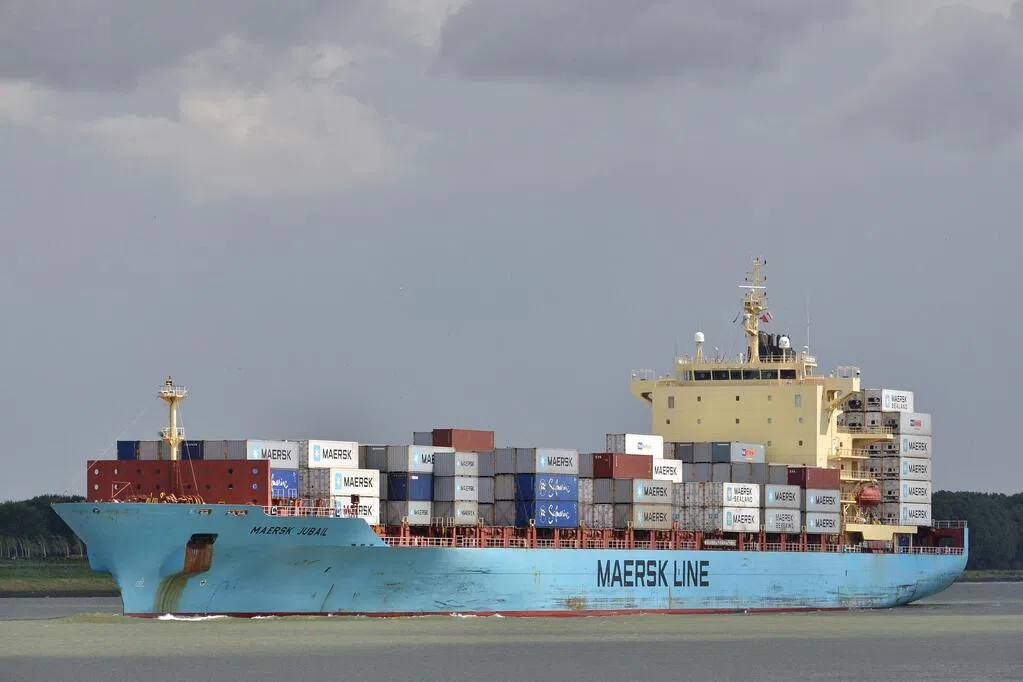
The volatile waters of the Strait of Hormuz have once again become a flashpoint for international conflict, as maritime officials confirmed on Wednesday that two commercial vessels have sunk after being struck by projectiles within a 24-hour window. The incidents have sent shockwaves through the global shipping industry and reignited fears regarding the stability of one of the world's most critical energy arteries.
The losses include the GFS PRIDE, a container ship registered in Singapore, and the Cape Dao, a bulk carrier flying the flag of Antigua and Barbuda. The fate of the GFS PRIDE was sudden and violent; the vessel caught fire and sank shortly after being hit while transiting the strait. Fortunately, all 21 crew members were successfully evacuated. In contrast, the sinking of the Cape Dao was the culmination of a prolonged struggle. The vessel had been severely damaged in an attack on September 23 and had been battling to stay afloat for several weeks before finally descending into the depths. Tragically, the loss of the Cape Dao resulted in the death of one crew member.
According to data provided by the International Maritime Organization (IMO), these events represent the second and third ships to be sunk in these waters since the outbreak of hostilities between the United States and Iran on February 28. The intensity of the conflict has reached a fever pitch this week. Maritime security records indicate that at least ten commercial ships have been targeted in the Strait of Hormuz and surrounding areas in the last seven days, marking the highest frequency of attacks since the start of the current conflict. The peak of this aggression occurred on October 11, when a staggering six ships were hit in a single day, followed by another four attacks on October 13.
The human cost of this maritime insecurity is mounting. Two sailors have been reported missing in recent strikes, and the total death toll for mariners since the conflict began has risen to approximately 24. The pattern of aggression appears to have shifted in intensity since March, when Iran began targeting commercial vessels as a retaliatory measure against strikes conducted by the United States and Israel. The month of October has been particularly brutal, with 23 recorded shipping incidents, nearly doubling the average monthly frequency observed previously.
Industry analysts believe these attacks are not random acts of violence but are strategically timed. In early October, oil export volumes through the Persian Gulf had begun to recover, reaching roughly 80% of pre-war levels. Experts argue that Tehran is intentionally escalating attacks to shatter this recovery and apply maximum pressure on global energy markets. By disrupting the flow of oil, Iran seeks to signal its ability to paralyze global trade if its geopolitical demands are not met.
Furthermore, there is a tactical dimension to the timing. The United States has recently signaled a commitment to avoid launching new military strikes in the immediate term. This diplomatic posture has been interpreted by Tehran as a strategic window of opportunity, allowing them to increase pressure on shipping lanes while facing a diminished risk of immediate, large-scale military retaliation. As the world watches this critical choke point, the shipping community remains on high alert, fearing that the Strait of Hormuz is transforming from a trade route into a combat zone.