Serbian President Aleksandar Vučić Set to Transition to Prime Ministerial Bid
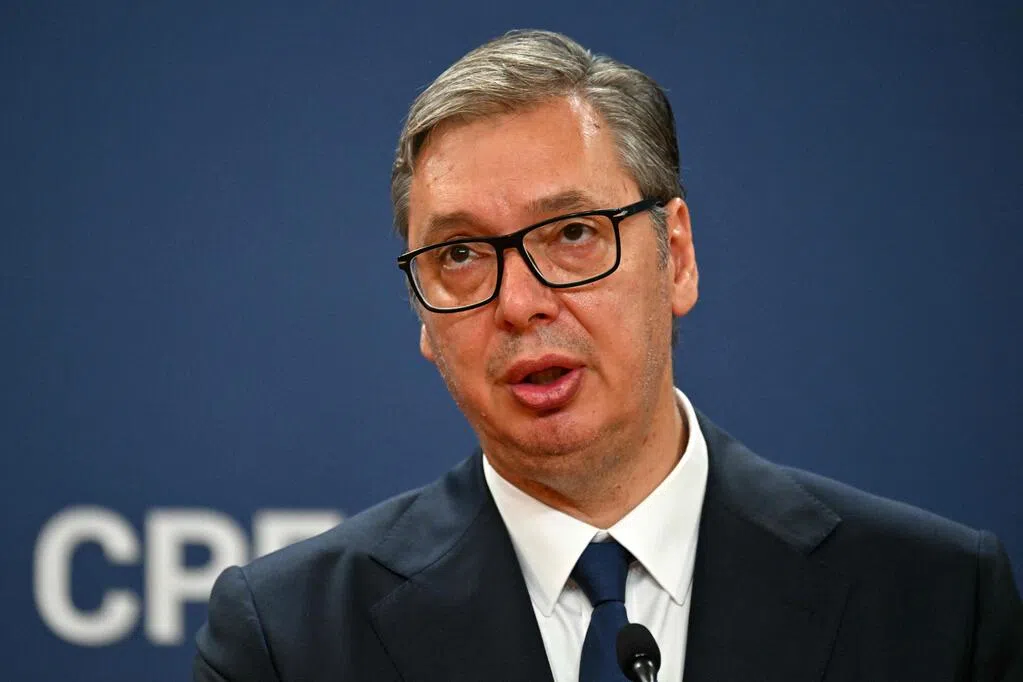
The political landscape of Serbia is currently undergoing a major transformation as President Aleksandar Vučić prepares to pivot from his role as head of state to seek the position of Prime Minister. This strategic transition was formalized during a meeting of the Central Committee of the Serbian Progressive Party (SNS) on Saturday, September 5, where the ruling party unanimously decided to nominate Vučić as their lead candidate for the upcoming parliamentary elections.
During the committee proceedings, Vučić articulated a clear timeline for his transition. He indicated that his resignation from the presidency would not be immediate but would follow the completion of a series of pre-scheduled domestic activities and official foreign visits. This measured approach suggests a desire for a stable handover of presidential duties while he prepares for the rigors of a national campaign. The move is seen by analysts as a calculated effort to restructure his influence over the Serbian government, shifting from the ceremonial and diplomatic weight of the presidency back to the operational and executive power of the Prime Minister's office.
To secure victory in the upcoming polls, the Serbian Progressive Party has outlined a modern, multi-pronged campaign strategy. Vučić emphasized that the party would prioritize direct engagement with the electorate, combining traditional grassroots outreach with an aggressive presence on social media platforms. As part of this visibility drive, the SNS plans to organize four massive political rallies in the country's primary urban hubs: Belgrade, Novi Sad, Niš, and Kragujevac. By targeting these diverse geographic and industrial centers, the party aims to solidify its support across different socio-economic demographics of the Serbian population.
Beyond the campaign logistics, Vučić has introduced a vision for a more efficient state apparatus. He pledged that should the SNS emerge victorious, the new administration would move toward a lean organizational structure. Specifically, he proposed a streamlined government consisting of a single Prime Minister and a maximum of twelve cabinet ministers. This promise of bureaucratic reduction is likely intended to appeal to voters weary of government inefficiency and to signal a commitment to austerity and administrative agility.
The timing of these elections has become a focal point of national attention. On September 4, Vučić announced that early parliamentary elections would be held soon, with the official date expected to be revealed no later than the morning of September 10. This follows earlier indications in mid-August where the President suggested that the voting process might take place in October or November. This accelerated timeline indicates a sense of urgency in resetting the legislative mandate.
To understand the necessity of this move, one must look at the constitutional constraints governing the Serbian presidency. Vučić previously served as the Prime Minister from 2014 to 2017 before ascending to the presidency in 2017 and subsequently winning re-election in 2022. While his current term is technically set to expire in May 2027, the Serbian Constitution strictly prohibits any individual from serving more than two terms as president. By resigning early and seeking the Prime Minister's office, Vučić is effectively navigating the legal limits of the presidency to ensure his continued leadership of the country's executive branch, thereby avoiding a power vacuum or a transition to a successor.