Iran Advocates for Regional Security Framework and Blames US for Hormuz Instability
# Iran Advocates for Regional Security Framework Amid Rising Tensions in Hormuz Strait
## A Call for Diplomatic Primacy
In a high-profile joint press conference held on Monday, October 19, Iranian Foreign Minister Araghchi, alongside his Russian counterpart Sergey Lavrov, delivered a pointed critique of current geopolitical dynamics in the Middle East. The central theme of Araghchi's address was the urgent necessity of prioritizing diplomatic channels over military confrontation. He asserted that the complex web of regional disputes can only be untangled through sustained dialogue and diplomatic negotiation, rather than through the imposition of force or external pressure.
## Identifying the Roots of Instability
Foreign Minister Araghchi did not mince words when identifying the sources of friction in the region. He specifically targeted the United States and what he termed the "Zionist regime" (Israel), claiming that their combined military actions and strategic interventions have fundamentally undermined regional peace. According to Araghchi, the wars initiated by these powers, coupled with stringent economic blockades and sanctions, serve as the primary catalysts for the insecurity currently plaguing the region.
He argued that the economic pressures exerted through sanctions are not merely financial tools but are instruments of instability that aggravate social and political tensions. By framing these policies as a form of "economic warfare," Araghchi positioned the current volatility of the Middle East as a direct consequence of Western foreign policy rather than internal regional failures.
## The Volatility of the Strait of Hormuz
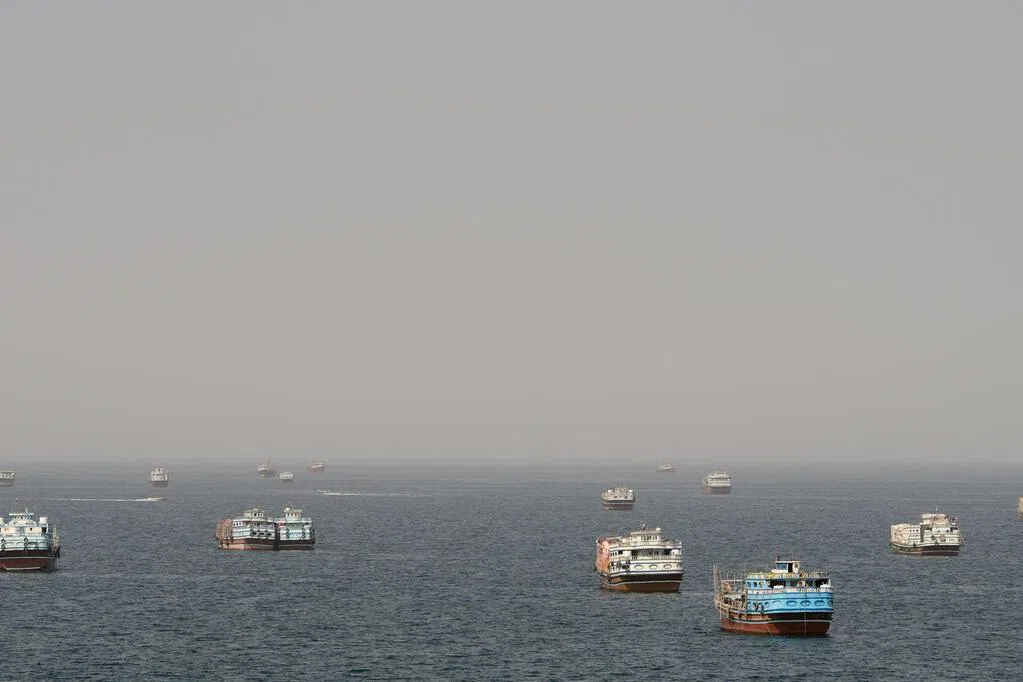
One of the most critical points of discussion centered on the Strait of Hormuz, one of the world's most vital maritime chokepoints for global energy supplies. Araghchi explicitly accused the United States of fostering an environment of tension and insecurity within the strait. This comes at a time of heightened sensitivity, following reports of an oil tanker explosion allegedly caused by a mine in the waterway.
While the situation in the strait remains precarious, Iranian officials have indicated a willingness to maintain maritime stability. Mention was made of a proposal to reopen certain maritime protocols within a seven-day window, signaling that while Tehran is critical of foreign presence, it remains open to practical arrangements that prevent total escalation in the shipping lanes.
## Proposing a Region-Led Security Architecture
To counter the perceived destabilizing influence of outside powers, Araghchi called for the creation of a joint security mechanism involving the nations of the region. He advocated for a collaborative framework where neighboring states work together to safeguard their own borders and interests.
Central to this proposal is the total absence of foreign military intervention. Araghchi stated that any initiative aimed at ensuring security would be welcomed, provided it is managed internally by regional actors. He emphasized that the presence of foreign troops—specifically referring to the US military footprint in the Gulf—is often a source of friction rather than a guarantee of safety. In his view, the only "correct direction" for long-term stability is a security model rooted in regional autonomy and mutual trust among Middle Eastern states.
## Geopolitical Implications
The alignment between the Iranian and Russian foreign ministers during this conference underscores a growing strategic partnership aimed at challenging Western hegemony in Eurasia. By emphasizing regional solutions and criticizing US-led security umbrellas, Iran is attempting to shift the diplomatic narrative toward a multipolar regional order. The success of such a proposal remains contingent on the willingness of other regional players to move away from their traditional security alliances with Washington and embrace a localized security collective.