North Korea Employs Strategic Silence Following Latest Ballistic Missile Tests
### The Sound of Silence in Pyongyang
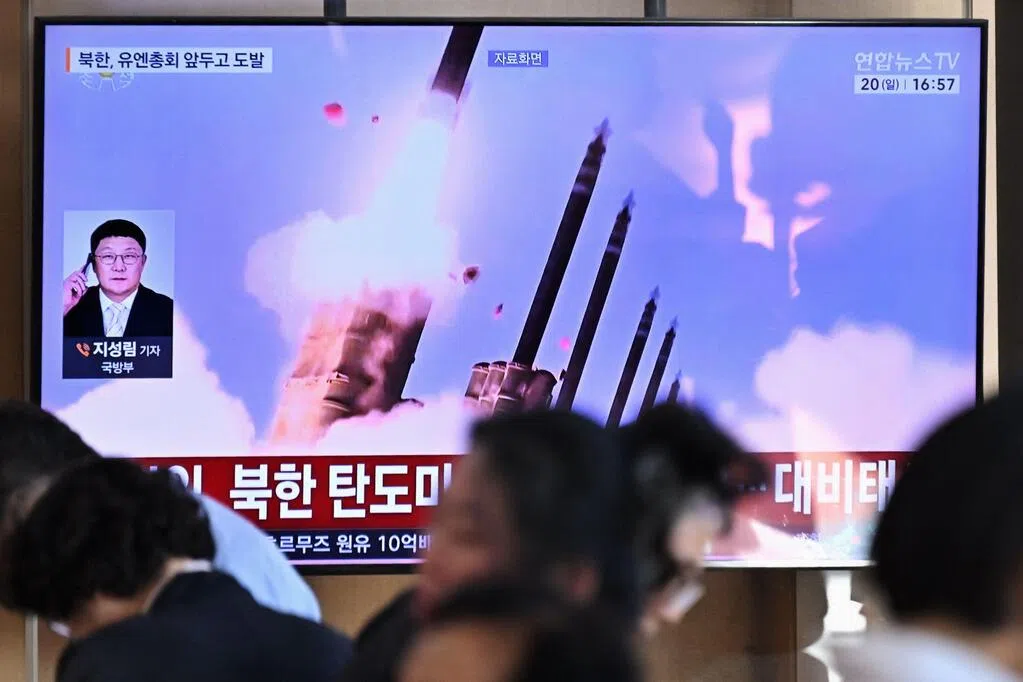
In a move that has caught the attention of geopolitical analysts and regional security experts, North Korea has remained conspicuously silent regarding its latest military provocations. On Sunday, September 20, the Democratic People's Republic of Korea (DPRK) launched two short-range ballistic missiles into the waters east of the Korean Peninsula. However, as of Monday morning, neither the Korean Central News Agency (KCNA), the state's primary foreign-facing news outlet, nor the *Rodong Sinmun*, the official newspaper of the Workers' Party, had published any reports on the event.
According to data provided by South Korea's Joint Chiefs of Staff (JCS), the missiles were fired from the Wonsan area. A particularly unusual aspect of this activity was the timing; the two launches were separated by a gap of approximately three hours. This marks the 14th instance of a ballistic missile test by the North this year, occurring just eight days after their previous missile activity, underscoring a rapid acceleration in their weapons testing cycle.
### A Shift in Propaganda Strategy
Historically, North Korea has followed a predictable pattern: a missile launch is followed by a celebratory report the next morning. These state-media broadcasts typically serve as propaganda tools, highlighting the "success" of the test and articulating the ideological motivations behind the launch to both domestic audiences and the international community. When the state media remains silent, it typically suggests one of three scenarios: the launch was a routine technical check with little propaganda value, it was a simple show of force intended only for foreign intelligence to detect, or, most critically, the test failed to meet the regime's expectations.
However, recent trends suggest a more calculated approach. Throughout August, North Korea conducted three separate launch activities, none of which were officially acknowledged by state media. Furthermore, missiles fired immediately after the conclusion of the "Freedom Edge" trilateral exercises between South Korea, the United States, and Japan were only reported two days later. This shift indicates that Pyongyang is moving away from immediate self-congratulation toward a more nuanced form of communication.
### The Doctrine of Strategic Ambiguity
Experts argue that this newfound discretion is a deliberate attempt to maintain "strategic ambiguity." By not disclosing the specific objectives, technical parameters, or results of its missile tests, North Korea prevents adversary intelligence agencies from accurately mapping its progress or identifying vulnerabilities in its arsenal. If the world does not know whether a launch was a failure or a breakthrough, the perceived threat remains high, and the enemy is forced to prepare for the worst-case scenario.
This opacity transforms routine military exercises into psychological warfare. When the North chooses which tests to publicize and which to hide, it keeps the United States and its allies in a state of perpetual uncertainty, effectively turning its silence into a weapon of deterrence.
### Geopolitical Timing and Regional Tension
Beyond the technical silence, the timing of the launches themselves carries significant weight. Analysts believe the missiles were fired as a direct protest against the "Pacific Vanguard 2026" joint exercises led by the United States. By demonstrating its capability to strike regional targets, Pyongyang is reminding Washington and Seoul of the risks associated with increased military cooperation in the Pacific.
Moreover, the launches appear to be strategically timed to coincide with the upcoming United Nations General Assembly and anticipated high-level diplomatic engagements between the United States and China. By escalating its military posture just before these global summits, North Korea ensures it remains a central point of discussion on the international stage, signaling that it cannot be ignored and that its deterrence capabilities continue to evolve regardless of international sanctions or diplomatic pressure.