Iran Signals Red Sea Blockade as Tension with U.S. Escalates Over Power Infrastructure
### Strategic Leverage: Iran’s Proxy Threat to Global Energy Arteries
In a significant escalation of regional tensions, reports indicate that Tehran has sought to weaponize its alliance with Yemen's Houthi rebels to create a strategic deterrent against potential United States military action. According to sources familiar with the matter, Iran has instructed the Houthi movement to prepare for a full-scale blockade of oil shipping lanes in the Red Sea. This move is envisioned as a retaliatory strike should the U.S. government proceed with attacks targeting Iran's critical electricity infrastructure.
#### The Catalyst of Conflict
The geopolitical temperature has spiked following recent rhetoric from U.S. President Donald Trump, who indicated that the United States might target Iranian power grids to pressure the Islamic Republic. While the exact timing and nature of the communication between Tehran and the Houthis remain undisclosed, the directive is seen as a calculated move to shift the theater of conflict. By leveraging its proxies in Yemen, Iran aims to create a "symmetric threat," ensuring that any strike on its domestic infrastructure would result in catastrophic consequences for global commerce.
#### The Bab el-Mandeb Choke Point
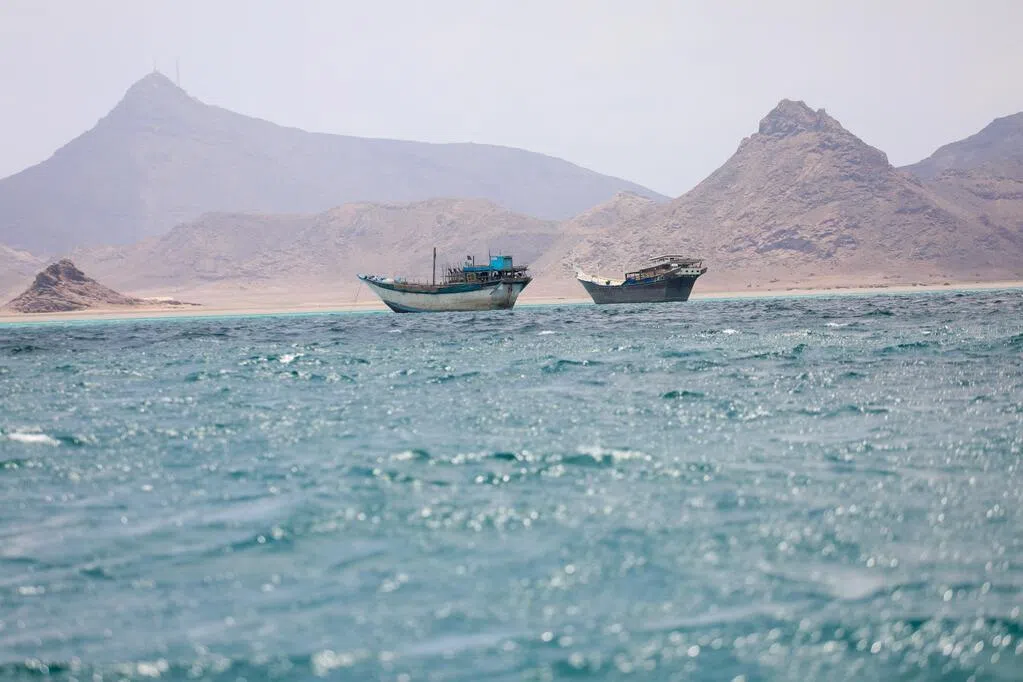
Central to this strategy is the Bab el-Mandeb strait, a narrow maritime passage that serves as the gateway between the Gulf of Aden and the Red Sea. This strait is one of the world's most critical maritime "choke points," linking the Indian Ocean to the Mediterranean and Atlantic via the Suez Canal. Any disruption in this corridor would effectively sever a primary artery for global oil and gas shipments.
Sources close to the Houthi movement suggest that the rebels have already transitioned from a state of readiness to active deployment. Reports indicate that a significant array of missiles and unmanned aerial vehicles (UAVs) have been positioned along the coastline near the strait. These forces are reportedly on high alert, awaiting a final operational command from their Iranian benefactors to commence strikes or establish a blockade.
#### Global Economic Implications
The prospect of a Red Sea blockade introduces a volatile variable into an already strained global energy market. While much of the world's attention has historically focused on the Strait of Hormuz, a disruption at Bab el-Mandeb would create a dual-threat scenario. Shipping companies would be forced to reroute tankers around the Cape of Good Hope in Africa, drastically increasing transit times, fuel costs, and insurance premiums. This would likely trigger a sharp spike in global oil prices, fueling inflation and destabilizing energy security across Europe and Asia.
#### A Wider Regional Firestorm
Beyond the economic fallout, the involvement of the Houthis threatens to reignite broader regional conflicts. The delicate balance in Yemen, where various factions have struggled for control, could be completely upended. Furthermore, the potential for a spillover effect into Saudi Arabia remains high, as the Kingdom has long been the primary target of Houthi drone and missile campaigns.
As of now, both the Iranian Foreign Ministry and official spokespeople for the Houthi rebels have declined to comment on the reports. However, the deployment of military assets in the region suggests that the threat is more than mere rhetoric. The international community now watches closely to see if diplomacy can prevail or if the Red Sea will become the next front in a high-stakes confrontation between Washington and Tehran.