New UK Prime Minister Burnham Signals Strategic Priorities, Affirms Unwavering Support for Ukraine
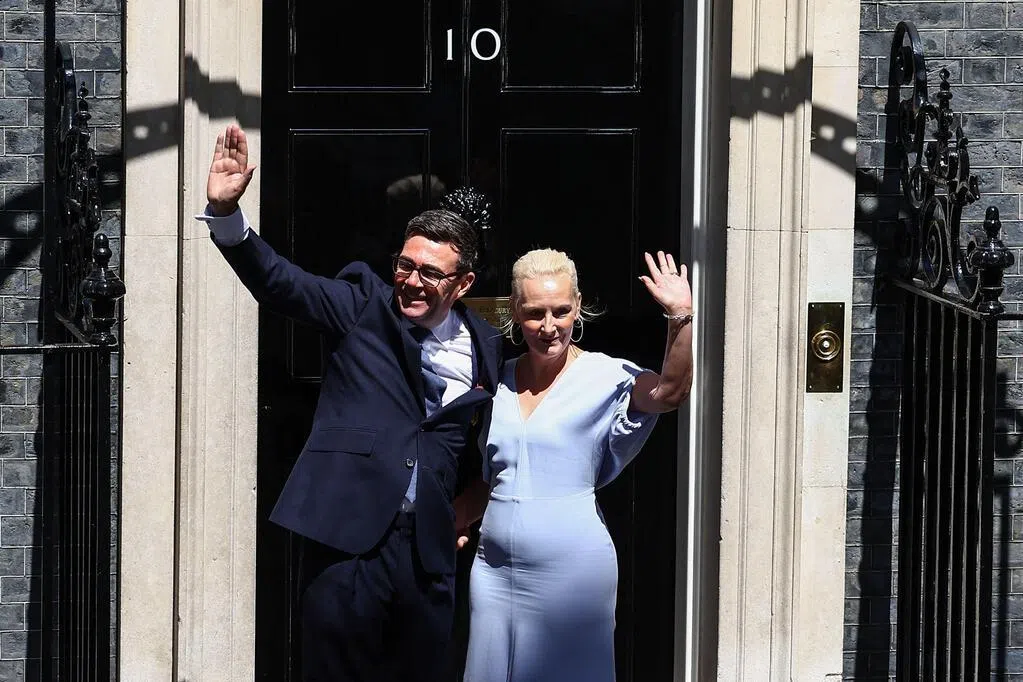
In a decisive start to his premiership, the United Kingdom's new Prime Minister, Burnham, has outlined a foreign policy agenda centered on stability, loyalty, and the reinforcement of critical strategic partnerships. Speaking on Monday, July 20, the Prime Minister revealed that his first diplomatic actions would be to establish direct communication with two pivotal global leaders: U.S. President Donald Trump and Ukrainian President Volodymyr Zelenskyy. This prioritization signals a clear intent to maintain the 'Special Relationship' with the United States while ensuring that the UK remains a cornerstone of support for Ukraine during its ongoing struggle for sovereignty.
In a pre-recorded video released shortly after his official address at Downing Street, Burnham was explicit about the continuity of British foreign policy. He emphasized that the support extended to President Zelenskyy would remain 'unwavering and steadfast.' By pledging 'one hundred percent' support—mirroring the commitment of his predecessor, Keir Starmer—Burnham aims to reassure the international community that a change in leadership at 10 Downing Street does not equate to a shift in the UK's moral or military obligations toward Kyiv. The Prime Minister’s rhetoric suggests that the UK will continue to provide the necessary intelligence, financial aid, and weaponry required to bolster Ukraine's defenses.
Beyond the immediate crisis in Eastern Europe, Burnham’s arrival has already sparked a wave of diplomatic outreach from continental Europe. German Chancellor Merz was among the first to extend his congratulations, issuing a formal invitation for Burnham to visit Berlin in the near future. This gesture is seen by analysts as a critical step toward stabilizing the UK's relationship with its largest European neighbor. Simultaneously, the President of the European Council, Costa, expressed his hope that the new administration would work proactively to improve the often-strained relations between the European Union and the United Kingdom. This suggests a potential thawing of post-Brexit tensions, as both parties seek a more pragmatic framework for trade and security cooperation.
On the domestic front, the Burnham administration is signaling a sharp departure from some of the previous government's technological ambitions. In a move designed to resonate with a public struggling with economic instability, the government has announced that it will abandon plans for a national digital identity system. This pivot is intended to demonstrate a shift in priorities, moving away from bureaucratic digitalization and toward the immediate 'livelihood issues' facing the average citizen. By focusing on the cost of living, healthcare, and social infrastructure, Burnham is attempting to build a mandate based on practical governance and tangible economic relief.
As the transition of power concludes, the departure of Keir Starmer marks the end of an era. Starmer, who noted in his farewell address that his specific tasks had been completed, left office with a sense of optimism, leaving Burnham to navigate a complex global landscape. The new Prime Minister now faces the dual challenge of managing a fragile domestic economy while upholding the UK's status as a global power. With his first phone calls earmarked for Washington and Kyiv, Burnham has made it clear that while the internal focus is shifting toward the people, the UK's role as a strategic ally on the world stage remains an absolute priority.