Tensions Mount as US Demands Safe Passage in Strait of Hormuz and Resolution on 'Nuclear Dust'
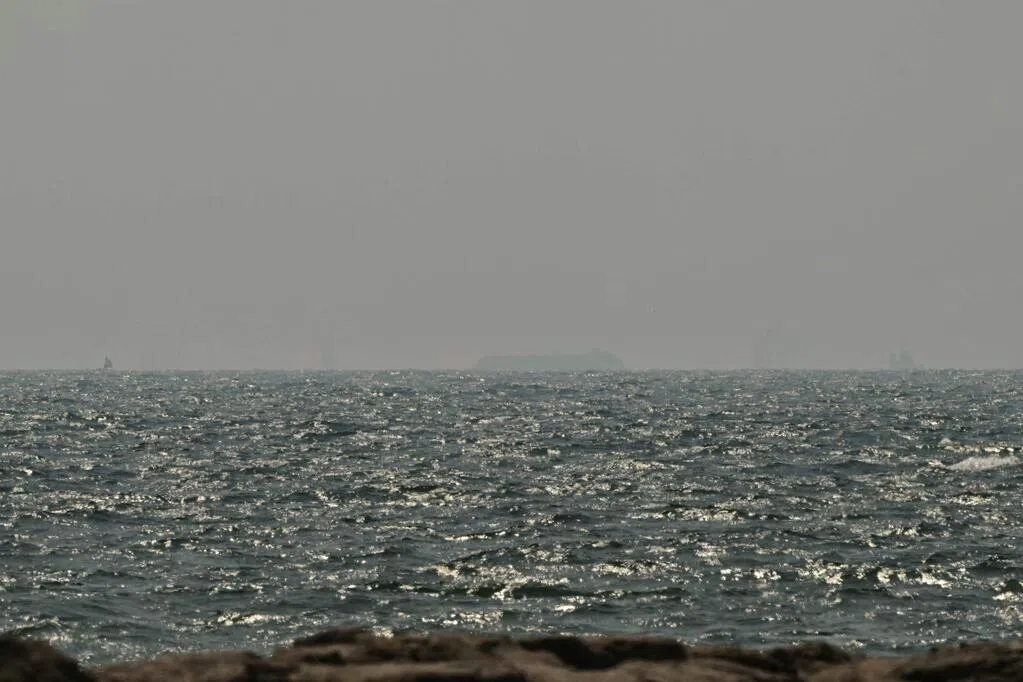
The strategic waters of the Strait of Hormuz, one of the world's most critical maritime chokepoints, are once again the center of a high-stakes geopolitical tug-of-war between Washington and Tehran. According to three senior US officials speaking on the condition of anonymity on Friday, July 10, there is a growing expectation that Iran will soon issue a public declaration ensuring that all shipping lanes within the strait remain open and that Iranian military forces will cease targeting vessels navigating the narrow waterway.
However, this optimistic outlook is tempered by a stern warning. The officials emphasized that if Tehran fails to issue such a statement or violates the terms of safe passage, the consequences for the Iranian government would be severe, stating bluntly that they "would not end up well." This rhetoric underscores the volatile nature of the current diplomatic climate, where a single tactical miscalculation could trigger a larger military confrontation.
Adding a layer of complexity to the situation is a recent admission from Iranian negotiators. During a series of discussions lasting approximately 30 minutes, Iranian representatives reportedly claimed that the recent wave of drone attacks against commercial and military vessels was not a sanctioned state policy. Instead, they attributed these provocations to "rogue units" within the Islamic Revolutionary Guard Corps (IRGC) acting independently. According to the negotiators, these splinter elements sought to deliberately sabotage a vaguely worded nuclear agreement signed between the United States and Iran in June.
Despite these internal Iranian contradictions, the Trump administration has indicated a dual-track approach. While the US remains open to negotiating a broader, permanent agreement regarding Iran's nuclear ambitions, it has simultaneously signaled that any further aggression against maritime traffic will be met with a decisive military response. The fragility of the current peace was highlighted by President Donald Trump himself, who posted on the social media platform Truth Social that while negotiations are ongoing, the 14-point ceasefire agreement established in June has officially expired.
At the heart of the diplomatic deadlock is a contentious issue referred to as "nuclear dust." US officials have made it clear that any final, comprehensive nuclear deal must include the handover or dilution of this material. "Nuclear dust" refers to highly enriched uranium, nearly weapon-grade, primarily stored at the Uranium Enrichment and Conversion Center in Isfahan. The US insists this material must be diluted to a level where it can no longer be utilized for the production of nuclear weapons.
This demand has become a primary sticking point, as the memorandum of understanding signed on June 18 left the fate of the uranium ambiguous. Iranian officials have since doubled down on their position, asserting that the enriched uranium must remain on Iranian soil. Furthermore, there remains a lack of clarity regarding whether the dilution process would be handled internally by Iran or overseen by a collaborative effort between the US and the International Atomic Energy Agency (IAEA).
With the clock ticking, the window for diplomacy is closing rapidly. Both nations are operating under a 60-day deadline, meaning a final, binding agreement must be reached by mid-August to avoid a total collapse of negotiations. As the deadline approaches, the world watches the Strait of Hormuz, where the balance between maritime stability and nuclear proliferation remains precariously thin.