G20 Summit in Atlanta: Diplomatic Rift Deepens as Traditional Family Photo Scrapped Over Russian Presence
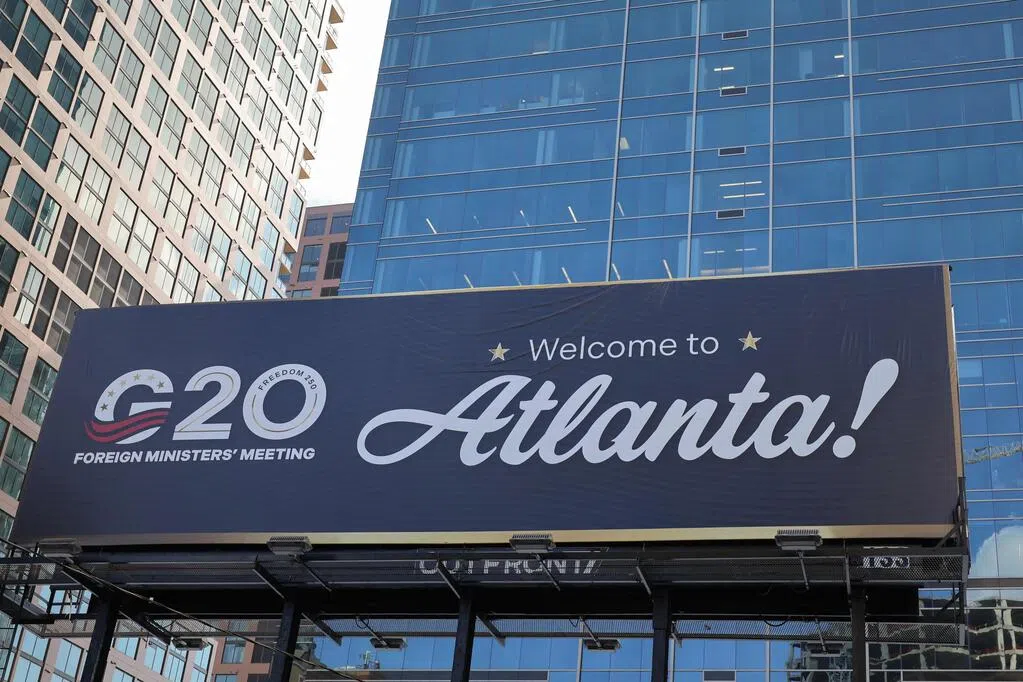
The recent gathering of G20 Foreign Ministers in Atlanta has served as a vivid illustration of the fragmented state of global diplomacy. While these summits are typically designed to foster cooperation among the world's largest economies, the atmosphere in Georgia was far from collaborative. The most striking symbol of this discord was the abrupt omission of the traditional "family photo" from the official agenda. For years, the collective photograph has acted as a visual representation of unity and mutual recognition; however, this year, the ritual was discarded, leaving a void that spoke volumes about the current geopolitical climate.
At the heart of the controversy was the attendance of Russian Foreign Minister Sergei Lavrov. His presence triggered an immediate and visceral reaction from European delegations, who viewed any visual alignment with Moscow as an affront to the victims of the ongoing war in Ukraine. German Foreign Minister Johann Wadephul was blunt in his assessment, informing reporters that European partners would under no circumstances be photographed with Lavrov. Wadephul emphasized that the notion of "normal relations" between Europe and Russia has effectively ceased to exist, rendering the traditional gesture of the family photo impossible.
Reports indicate that the diplomatic crisis reached a point where a compromise was nearly attempted. Some European officials proposed a fragmented approach, suggesting the taking of two separate photographs—one including the Russian representative and another excluding him. However, this proposal failed to gain traction, as many felt that any attempt to partition the photo would only further highlight the dysfunction within the G20. Consequently, the ministers bypassed the ceremony entirely and moved straight into the first session of the summit, skipping the symbolic unity that usually precedes policy discussions.
This diplomatic freeze within Europe stands in stark contrast to a subtle shift in the approach taken by the United States. Under the Trump administration, there have been indications of a cautious thawing of relations between Washington and Moscow. A primary example is the recent agreement regarding diesel imports, a move that has sent ripples of dissatisfaction through Kyiv. The Ukrainian government views such economic pragmatism as a potential betrayal of the solidarity promised by its Western allies, fearing that trade deals might undermine the pressure campaign intended to force Russia toward a ceasefire.
As the summit unfolded, the tension between the European Union's hardline stance and the US's emerging transactional diplomacy became a focal point. While the US appears to be exploring avenues for dialogue, the EU remains deeply suspicious. Kaja Kallas, the EU's High Representative for Foreign Affairs and Security Policy, expressed grave doubts about Russia's sincerity. Speaking to the press, Kallas suggested that Moscow does not seem prepared to engage in genuine peace negotiations. She argued that the only viable path forward is to maintain and increase pressure on the Kremlin, specifically highlighting the necessity of a ceasefire in the strategically vital Black Sea region.
Looking ahead, the diplomatic community is eyeing November, when a new round of trilateral negotiations involving the US, Russia, and Ukraine is expected to commence. However, the events in Atlanta suggest that these talks will begin from a position of extreme fragility. The G20 meeting has not only underscored the deep-seated animosity between Europe and Russia but has also revealed a widening gap in strategy between the EU and the US. With conflicts escalating not only in Eastern Europe but also across the Middle East, the G20's ability to act as a stabilizing force remains in serious question, as the members struggle to find a common language in an era of systemic instability.