Historic Sea Level Surge Batters Southern California Coast, Forcing Closure of Iconic Highway
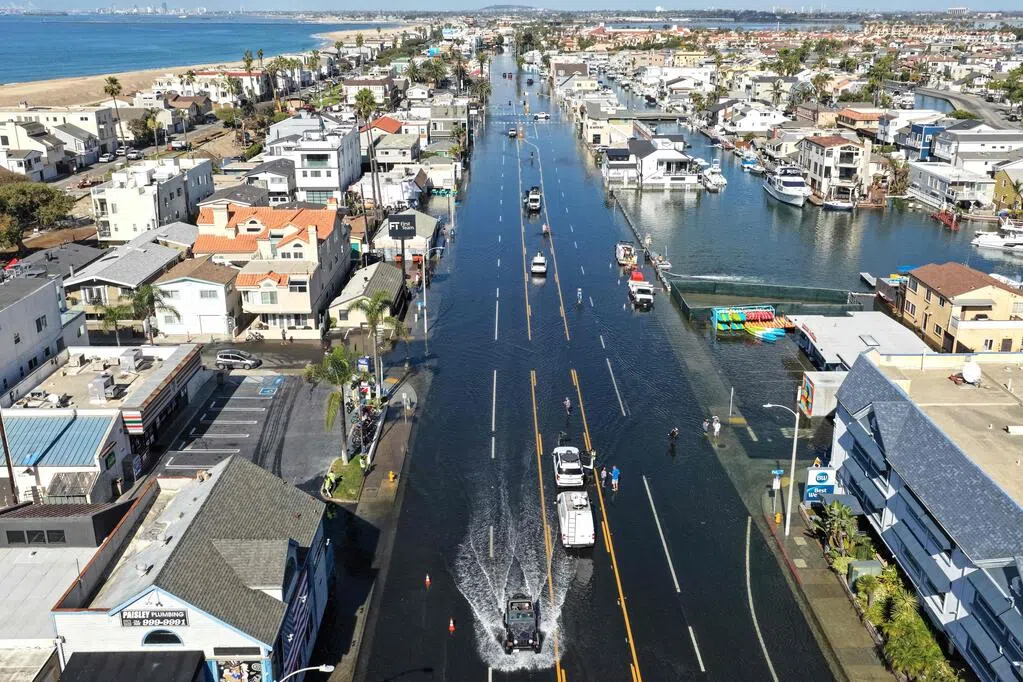
In a stark demonstration of the escalating climate crisis, the Southern California coastline has been struck by a historic surge in sea levels, reaching an unprecedented height of 8.02 feet (approximately 2.4 meters). This event marks a significant escalation in coastal volatility, officially shattering the previous record of 7.93 feet established on January 10, 2005. The surge has transformed tranquil beachfront neighborhoods into flood zones, leaving local authorities and residents grappling with the immediate physical and economic fallout.
The primary catalysts for this extraordinary rise are a potent combination of a strong El Niño cycle and sustained marine heatwaves. El Niño, a climate pattern characterized by the unusual warming of surface waters in the eastern tropical Pacific Ocean, often alters atmospheric circulation and pushes larger volumes of water toward the North American coast. When this phenomenon is layered with marine heatwaves—periods of abnormally high ocean temperatures—the result is thermal expansion of the water and intensified storm surges, creating a "perfect storm" for coastal inundation.
One of the most visible casualties of this environmental upheaval is the Pacific Coast Highway (PCH), one of the world's most famous and scenic drives. Due to the extreme flooding, significant stretches of the highway were forced to shut down starting Tuesday, October 27. The PCH serves as a critical artery for both tourism and local commuting; its closure has caused substantial logistical disruptions across the region. In areas such as the Sunset Beach community within Huntington Beach, the sight of seawater encroaching upon asphalt has become a grim reality. Despite official closures and clear warnings of danger, reports emerged of motorists attempting to navigate through the floodwaters, risking vehicle damage and potential entrapment in the surging tides.
Environmental scientists warn that while El Niño is a cyclical event, the intensity and frequency of these surges are being amplified by global warming. The ocean acts as a massive heat sink, absorbing the majority of the excess heat trapped by greenhouse gases. This not only leads to the expansion of seawater but also contributes to the melting of polar ice sheets, steadily raising the baseline sea level. When temporary anomalies like El Niño occur, they are now building upon a higher base, making record-breaking floods more likely and more severe.
This event occurs against a backdrop of growing international concern regarding the intersection of climate change and public health. Recent discourse in the scientific community has urged for climate change to be recognized as a global health emergency, noting that rising temperatures and extreme weather patterns are directly linked to increased mortality and economic instability, particularly in vulnerable coastal and tropical regions.
As California continues to face these challenges, the incident serves as a wake-up call for urban planners and policymakers. The vulnerability of the Pacific Coast Highway suggests that existing infrastructure may no longer be sufficient to withstand the new reality of the Anthropocene. There is an urgent need for enhanced coastal defenses, revised zoning laws for beachfront properties, and a comprehensive strategy to mitigate the risks of an increasingly unpredictable ocean. For now, the residents of Southern California remain on high alert, watching the tides with a newfound sense of urgency as the ocean continues to redefine the boundaries of the land.