US Universities Face Historic Plunge in International Applications Amid Tightening Visa Policies
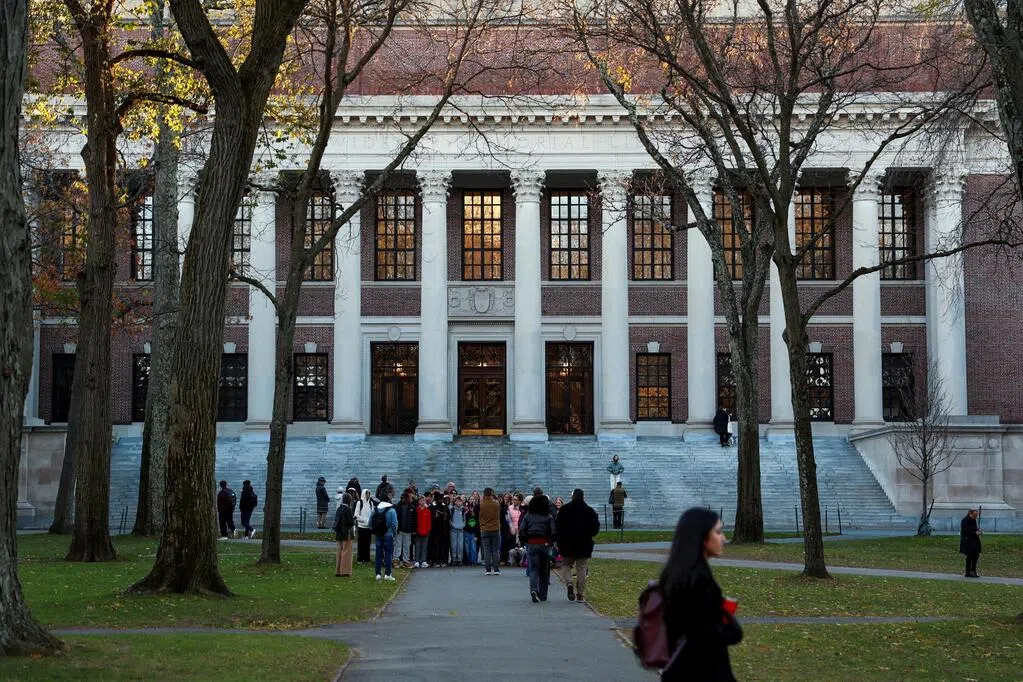
The landscape of American higher education is facing a period of significant volatility as the number of international students seeking admission has plummeted. According to a recent report released by Common App, a primary platform used for university applications, the volume of foreign applicants for the current autumn intake has decreased by roughly 10%. This downturn represents the most substantial decline in international interest in at least ten years, signaling a potential exodus of global talent from US campuses.
The data, which encompasses 1,146 institutions—a slight increase of 4% over the previous academic year—reveals a loss of nearly 16,000 foreign applicants compared to the same period last year. The geographical distribution of this decline is particularly stark. Regions such as Asia and Africa have witnessed double-digit percentage drops in application numbers. Europe has not been immune either, recording a 4% decrease, effectively reversing a multi-year trend of consistent growth in European students heading to the United States. In a curious contrast, domestic applications within the US have actually risen by 4%, suggesting that the current crisis is specifically tied to international relations and immigration hurdles rather than a general lack of interest in higher education.
Industry analysts and data scientists point toward the political climate as the primary driver of this trend. The Trump administration has implemented several stringent modifications to student visa regulations, making it increasingly difficult for non-citizens to enter the country. While initial policy shifts showed only a marginal 1% dip in applications toward the end of the 2024-2025 cycle, the more recent and aggressive crackdown on visa holders has created a chilling effect. Hughes, a senior data scientist at Common App, noted that the current slump is the most severe since the platform began tracking electronic application data in 2013. The consensus is that the increased difficulty in securing legal entry has discouraged prospective students from even beginning the application process.
Furthermore, the administrative tightening extends beyond initial entry. New restrictions on transferring between majors, switching institutions, and remaining in the US after graduation have further diminished the attractiveness of American degrees. These policy shifts have created a precarious environment for international students, many of whom are now seeking educational opportunities in more welcoming regions, such as Europe.
The impact of this decline is not distributed evenly across all academic institutions. There is a clear divide based on prestige and selectivity. Elite universities, defined as those with acceptance rates below 25%, have remained relatively stable, seeing only a nominal 1% decrease in foreign applicants. However, institutions with acceptance rates exceeding 50% have been hit hard, experiencing a sharp decline of approximately 20%. This suggests that while the "Ivy League" brand remains a powerful draw, less globally recognized schools are bearing the brunt of the political fallout.
This exodus of international students is expected to exacerbate an already fragile financial situation for many US colleges. These institutions are currently battling a "demographic cliff" characterized by a shrinking population of college-aged individuals, alongside a growing societal skepticism regarding the actual value and return on investment of a university degree. Since international students often pay higher tuition rates, their absence creates a significant budgetary void.
Amidst these challenges, a shift in admissions criteria has also emerged. There has been a notable return to standardized testing, with an 11% increase in applicants submitting SAT or ACT scores. Conversely, the number of students opting out of these tests has dropped by 5%. This trend is particularly interesting given that only 5% of colleges currently mandate these scores, and previous administration rhetoric suggested that test-optional policies were more equitable for disadvantaged and non-white applicants. The resurgence of these exams suggests that in a more competitive and restrictive environment, students are returning to traditional metrics to prove their academic merit.