Escalating Tensions on the Korean Peninsula: Seoul Warns Pyongyang Over Border Provocations
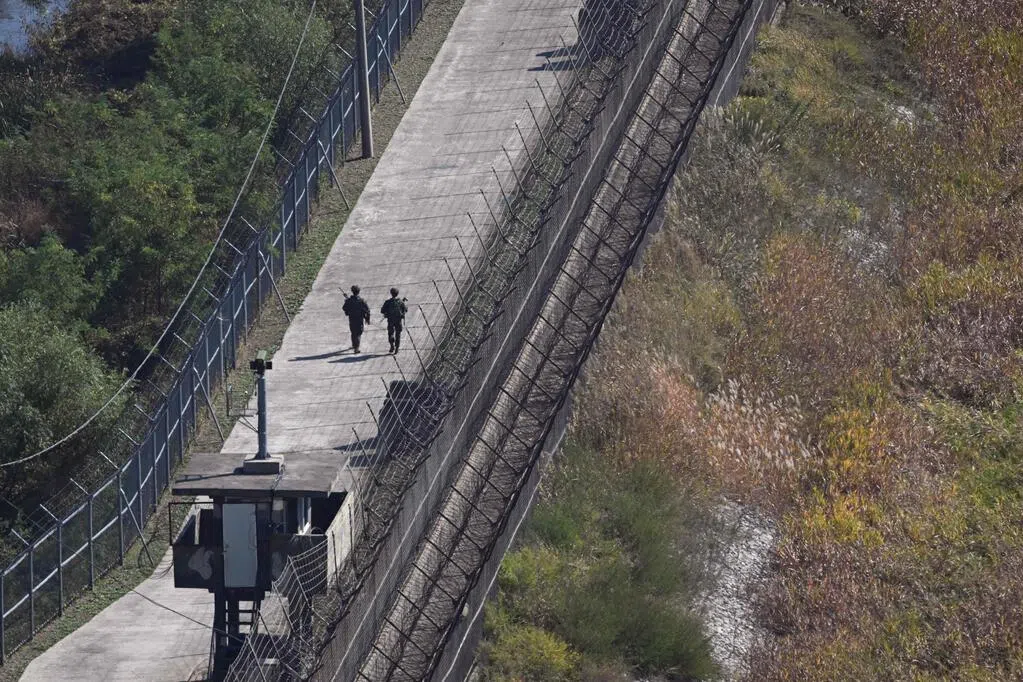
The precarious stability of the Korean Peninsula is facing a severe test as both Seoul and Pyongyang exchange sharp military threats, marking one of the most volatile periods in the Demilitarized Zone (DMZ) in recent years. On Tuesday, October 20, the South Korean military issued a formal warning stating that it would respond decisively to any further provocations from the North, specifically mentioning the possibility of resuming propaganda loudspeaker broadcasts.
This diplomatic and military friction was triggered by statements from Kim Yo Jong, the powerful sister of North Korean leader Kim Jong Un and First Secretary of the Workers' Party. Kim Yo Jong recently threatened to augment the deployment of tactical strike forces along the border and indicated that Pyongyang is considering the revival of its loudspeaker operations. This marks the first time since 2000 that North Korea has proactively signaled a return to this specific form of psychological warfare. Kim accused the South Korean military of conducting excessive warning broadcasts and warning shots during North Korea's efforts to 'fortify' its border defenses. According to Pyongyang, Seoul conducted over 2,800 warning broadcasts and 200 warning shots between August and mid-October.
In response, South Korea's Ministry of National Defense released a statement expressing grave concern over the North's rhetoric. The Ministry clarified that the warning broadcasts and shots fired near the Military Demarcation Line (MDL) are legitimate defensive measures intended to prevent North Korean personnel from crossing the border and to drive back those who do. Seoul emphasized that these actions are standard operational procedures to maintain border integrity and that any attempt by the North to use these measures as a pretext for aggression will be met with a firm counter-response.
Beyond the psychological warfare of loudspeakers, the physical situation on the ground has deteriorated. South Korean intelligence reports that North Korea has deployed approximately 7,000 personnel to install obstacles and lay mines along the border since April 2024. These activities have reportedly led to about 50 instances of North Korean troops crossing the MDL. The danger of these activities became evident on September 21, when a landmine explosion in the western part of the DMZ injured three South Korean soldiers. A joint investigation by the South Korean military and the United Nations Command concluded that the mines were laid by North Korean forces south of the MDL, a clear violation of the armistice agreement, though Pyongyang has denied responsibility.
To assess the situation, General Chen Yong-seung, Chairman of the Joint Chiefs of Staff, recently inspected the central front command to verify military readiness. He urged front-line troops to enhance their capabilities within the DMZ to counter the risks posed by the North's illegal mine-laying activities.
Politically, the situation is particularly sensitive. The current administration in Seoul had previously attempted to foster a climate of easing tensions by suspending loudspeaker broadcasts, a move that was initially reciprocated by the North. However, the renewed threats from Pyongyang suggest that the window for diplomatic rapprochement is closing. While the Ministry of Unification has called for communication to bridge the gap in perceptions regarding the MDL, military analysts remain skeptical.
Hong Min, a senior research fellow at the Korea Institute for National Unification, noted that the threshold for a military response in Pyongyang might be significantly lower than the current rules of engagement practiced by the South Korean military. This disparity creates a dangerous environment where standard defensive procedures could be misinterpreted as offensive acts. Similarly, Michael Boszak, a former official at the UN Command, warned that North Korean forces might misjudge South Korean warning shots as actual attacks, potentially triggering a lethal exchange of fire that could spiral into a larger conflict.