Vance Diverges from Trump, Declines to Endorse Netanyahu Ahead of Israeli Elections
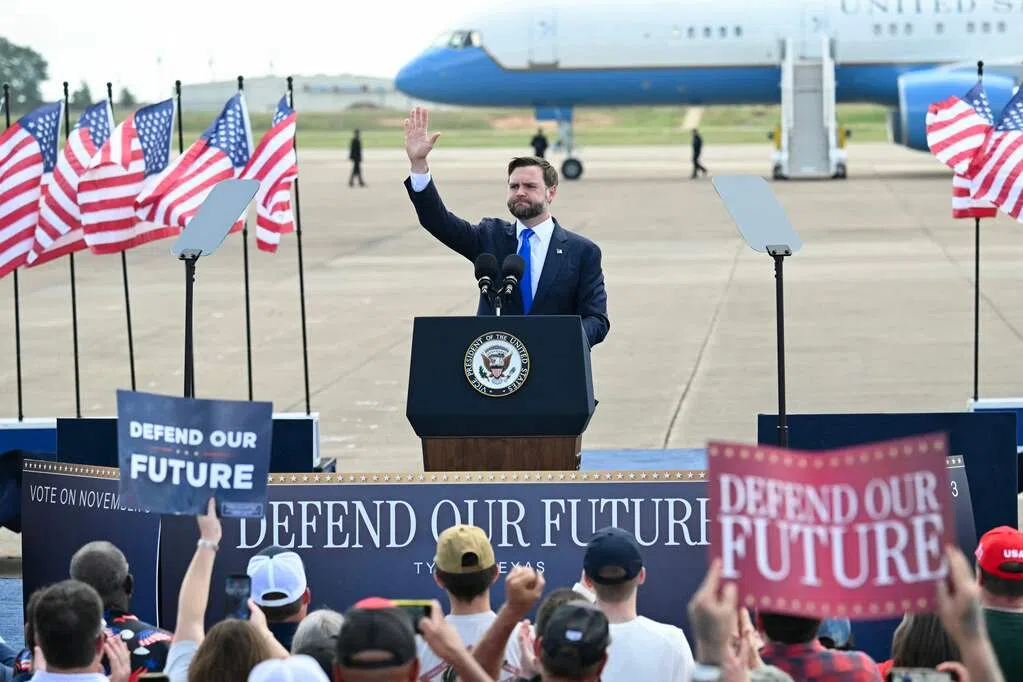
In a move that signals a notable departure from the public positioning of President Donald Trump, US Vice President JD Vance has clarified that he will not be extending a public endorsement to Israeli Prime Minister Benjamin Netanyahu. This divergence comes at a critical juncture as Israel prepares for its upcoming parliamentary elections scheduled for October 27, where Netanyahu is seeking to maintain his grip on power.
During a recent interview with journalist Halperin on Monday, October 19, Vance articulated a stance of calculated neutrality. When questioned about his position on the Israeli leadership, Vance stated that he is neither actively opposing nor explicitly supporting Netanyahu. He explicitly noted that he has no intention of intervening in the internal democratic processes of Israel, emphasizing that his political energies are currently dedicated to domestic concerns. Specifically, Vance pointed to the upcoming US midterm elections as his primary priority, suggesting that the focus of the current administration's second-in-command should remain squarely on American soil.
This posture stands in stark contrast to the actions of President Trump, who just last Sunday openly declared his support for Netanyahu. Trump, who views the Israeli Prime Minister as a key political ally, has not hesitated to leverage his influence to bolster Netanyahu's chances of reelection. The gap between the President and Vice President on this issue provides a glimpse into the varying strategic priorities within the upper echelons of the Republican leadership.
Political analysts have noted that Vance's current reluctance to engage in Israeli politics is an anomaly when compared to his previous record of international engagement. In the past, Vance has been far more proactive in supporting foreign nationalist movements. For instance, in April of this year, he traveled to Budapest to personally offer his support to Hungarian Prime Minister Viktor Orb£n prior to the national elections. Furthermore, Vance has a history of aligning himself with the German far-right alternative for Germany (AfD) party, having previously met with the party's leader, Alice Weidel.
This shift in behavior suggests a more cautious approach toward the Middle East, where geopolitical tensions are significantly higher and more volatile than in Europe. Vance, who is widely regarded as a potential successor to Trump for the 2029 presidential cycle, has a complex history with the region. He was previously known to oppose a joint US-Israeli military campaign against Iran, although he later shifted his rhetoric to defend military actions in that theater.
Adding another layer of complexity is Vance's history of friction with Israeli officials. Back in June, following a brief ceasefire agreement between the US and Iran, Vance was vocal in his criticism of Israeli officials who expressed dissatisfaction with the deal. At the time, he reminded them of the strategic necessity of maintaining a positive relationship with the United States, describing the US as Israel's only remaining powerful ally. By refusing to endorse Netanyahu now, Vance may be continuing this thread of "America First" pragmatism, ensuring that he does not alienate potential domestic voters or overextend his influence in a volatile foreign election while the US midterms loom.