GOP Faces Critical Crossroads: Trump’s Approval Plummets Ahead of Midterm Elections
### The High-Stakes Rally in Kentucky
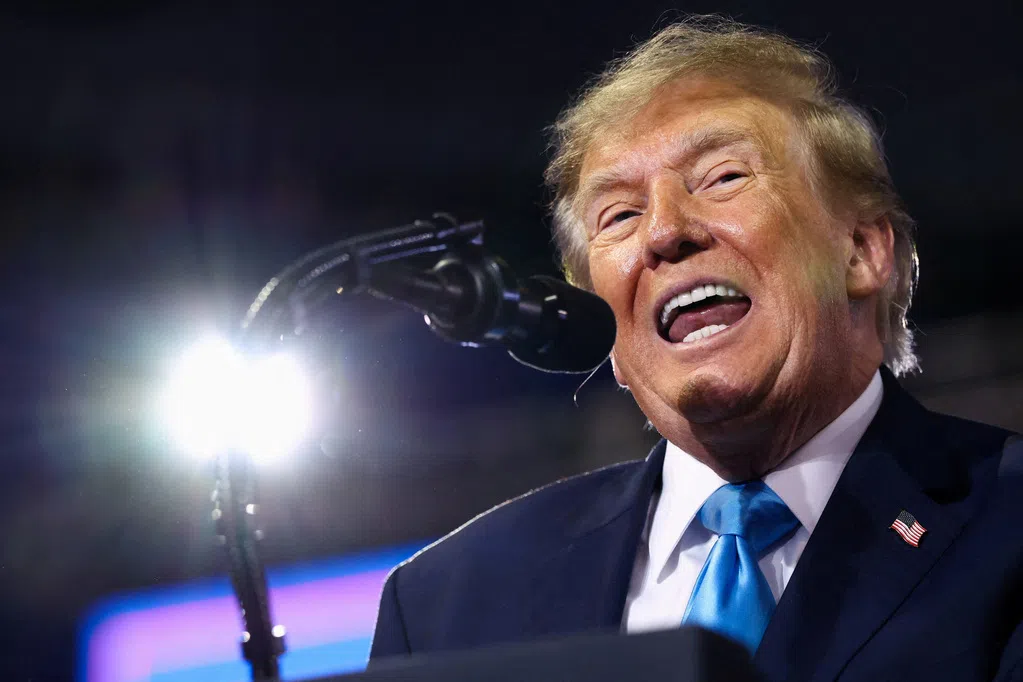
With the November 3rd midterm elections looming just fourteen days away, the political atmosphere in the United States has reached a fever pitch. In a bid to energize the Republican base and secure victories for GOP candidates in both the House and Senate, President Donald Trump recently traveled to Highland Heights, Kentucky. During his appearances, the President maintained a defiant tone, asserting that a potential second term would grant him even more significant authority than his first. He claimed that with expanded power, he could achieve "incredible things" for the country, attempting to project an image of strength and inevitable victory.
### A Harsh Reality in the Polls
However, the rhetoric coming from the campaign trail stands in stark contrast to the prevailing data. Recent polling indicates that the President's public support has plummeted to a historic nadir of 33%. This sharp decline in approval suggests a growing disconnect between the administration's narrative and the lived experience of the American electorate. Political analysts argue that the President's confidence may be a strategic attempt to mask a precarious situation, as the GOP finds itself on the defensive in several key swing districts.
### Economic Fallout and Geopolitical Tension
One of the primary drivers behind this slump in popularity is the deteriorating economic climate. The ongoing volatility in the relationship between the United States and Iran has created significant ripples across global markets. The resulting geopolitical instability has put immense pressure on commodity prices, leading to a surge in the cost of living for average citizens.
Inflationary pressures have turned into a potent political weapon for the opposition. Voters, feeling the pinch of rising prices at the pump and the grocery store, are increasingly blaming the administration's foreign policy for their domestic financial struggles. The sentiment among the public is one of widespread frustration, with many viewing the current administration's approach to Iran as a catalyst for economic hardship rather than a victory for national security.
### The Threat of a Divided Government
The implications of these trends extend far beyond the President's personal approval ratings. The Republican Party is now facing the very real possibility of losing its grip on the legislative branch. While the GOP has traditionally held strong positions, current projections suggest that they could lose control of the House of Representatives, and more alarmingly, the Senate could also be at risk.
If the Republicans were to lose both chambers, the United States would enter a period of "lame duck" governance. A divided government would severely limit the President's ability to pass legislation, appoint judicial nominees, or implement his domestic agenda. This legislative paralysis would essentially strip the President of the "incredible" power he claimed to possess during his Kentucky rally, leaving the administration neutralized for the remainder of its term.
### Foreign Policy and the Iranian Equation
Beyond the domestic legislative battle, the outcome of the midterm elections is expected to have a profound impact on the US-Iran conflict. There is significant debate among political scientists regarding whether a Democratic victory would lead to a diplomatic thaw or if the President's propensity for retaliation would escalate tensions regardless of the electoral outcome.
Experts suggest that if the GOP suffers a major defeat, it may serve as a signal to the White House that the American public prefers a more stable, less confrontational approach to international relations. Conversely, a desperate administration might double down on its hardline policies to prove strength to its core supporters. The intersection of domestic electoral anxiety and international brinkmanship has created a volatile environment where every poll shift could potentially influence the trajectory of global security.