Houthis Issue Stern Warning to United States Over Bab el-Mandeb Strategic Control
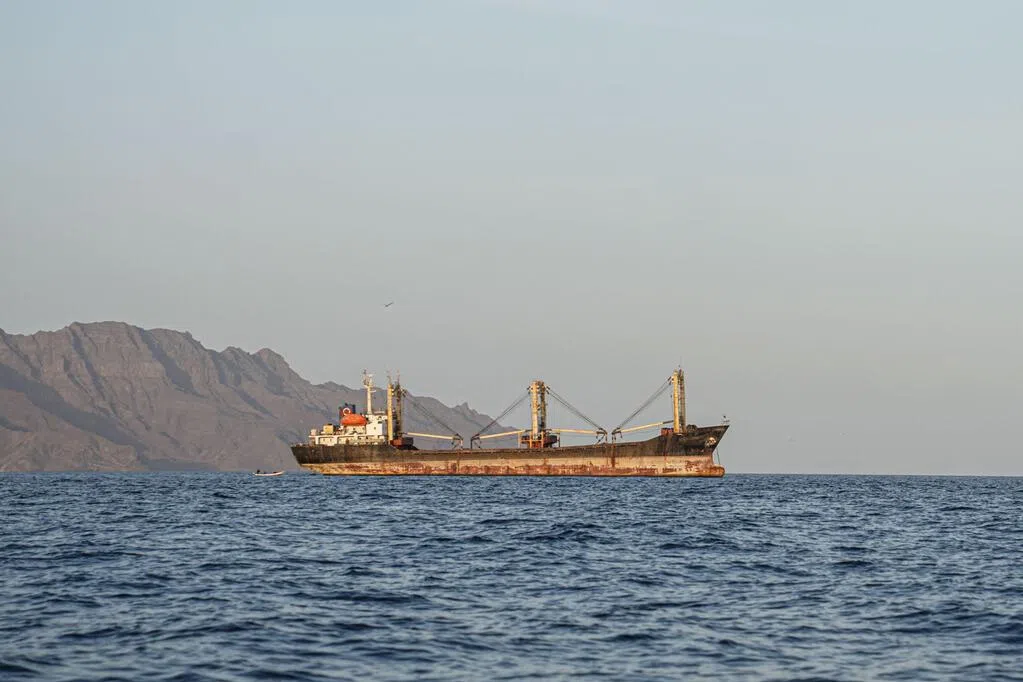
In an exclusive interview with Agence France-Presse (AFP), a high-ranking military advisor for the Houthi movement, identified as Saul, delivered a stark warning to the United States, signaling a potential escalation of conflict in the Red Sea region. The advisor explicitly stated that any American attempt to intervene militarily in Yemen to bolster its ally, Saudi Arabia, or any move to establish control over the strategically vital Bab el-Mandeb strait, would be viewed as crossing a definitive "red line."
This warning comes on the heels of a swift and aggressive offensive launched by the Iran-backed Houthi forces this month. The group has successfully executed a series of maneuvers that have allowed them to exert effective control over the Bab el-Mandeb, a critical chokepoint for global maritime trade and energy shipments. As the Houthis consolidated their hold on this gateway between the Red Sea and the Gulf of Aden, the geopolitical landscape of the region shifted abruptly, prompting urgent reactions from neighboring states.
Reports indicate that Saudi Arabia, feeling the pressure of the Houthi advance, has formally requested military assistance from the United States and the broader international community. Riyadh seeks to counter the Houthi surge and reclaim strategic territory that is essential for the security of the Arabian Peninsula. However, the Houthi leadership has made it clear that any such intervention will be met with asymmetrical responses.
During the interview on Tuesday, September 22, Saul emphasized that the Houthi response would not be limited to the borders of Yemen. He warned that if the U.S. chooses to provide air support or engage in airstrikes to assist the Saudi-led coalition, the Houthis will consider all American interests across the Middle East as legitimate military targets. This threat suggests a strategy of regional deterrence, where the Houthis aim to leverage their control over the strait to prevent direct U.S. military engagement.
Furthermore, the advisor asserted that the movement is prepared to implement a total blockade on American naval vessels attempting to transit through the Bab el-Mandeb strait. This represents a significant pivot in Houthi policy; previously, the group had stated that its maritime targets were exclusively limited to Saudi Arabian vessels. By extending this threat to include the United States, the Houthis are signaling their readiness to engage in a direct confrontation with a global superpower to maintain their territorial gains.
The Bab el-Mandeb strait is one of the world's most important shipping lanes, serving as the southern entrance to the Red Sea and a primary route for oil and goods traveling via the Suez Canal. Control over this waterway grants the holder immense leverage over global trade. The Houthi's ability to secure this area, combined with their capture of strategic mountain ranges to cut off government forces, has placed the Yemeni government and its allies in a precarious position.
As the situation intensifies, Middle Eastern nations remain on high alert, fearing that a miscalculation by either the U.S. or the Houthi movement could ignite a wider regional war. The involvement of Iran in supporting the Houthi movement adds another layer of complexity, as the struggle for control over the strait is often seen as part of a larger proxy conflict between Tehran and Washington. With the Houthis now emboldened by their recent territorial victories, the window for a diplomatic resolution appears to be narrowing, leaving the region on the brink of a volatile military standoff.