Canada and United States Set to Resume High-Stakes Trade Negotiations in Washington
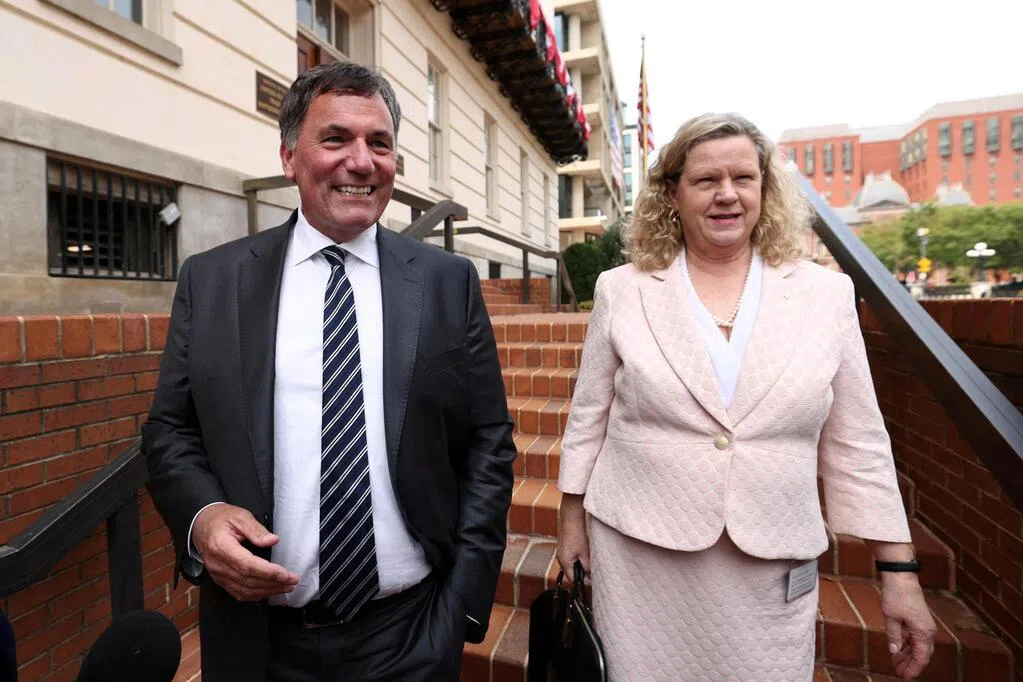
The diplomatic atmosphere between Ottawa and Washington has reached a critical juncture as trade negotiators from both nations prepare to reconvene in Washington this Thursday, August 20. This high-stakes meeting comes on the heels of a series of briefings provided by Canadian Prime Minister Carney to regional leaders, outlining the framework of a potential bilateral trade agreement intended to stabilize the volatile economic relationship between the two North American neighbors.
According to reports confirmed by Ottawa, Dominic LeBlanc, the Canadian minister tasked with overseeing trade relations with the U.S., is scheduled to meet with U.S. Trade Representative Jamieson Greer on Thursday afternoon. This meeting is viewed as a decisive step toward finalizing a deal that could end months of escalating trade hostilities. The urgency of the negotiations was highlighted by a narrow window of opportunity granted by U.S. President Donald Trump. While the Trump administration had originally planned to implement a sweeping 50% tariff on a wide array of Canadian imports this Wednesday, the President opted to postpone the enforcement for 72 hours, citing progress in the ongoing talks.
While the precise technicalities of the burgeoning agreement remain under wraps, Prime Minister Carney has already begun socialising the progress with provincial and territorial leaders. The discussions have revealed a complex set of demands from the American side. Specifically, the United States is seeking a commitment from Canadian provinces to restore the availability of American-made wines and spirits on retail shelves. This request addresses a point of significant friction; several Canadian provinces had previously removed these products from their markets as a retaliatory measure against U.S. tariffs targeting Canadian automotive parts, steel, aluminum, and lumber.
However, the path to reconciliation is fraught with social and political hurdles. Leaders from the Atlantic provinces, including Nova Scotia Premier Tim Houston, have voiced concerns regarding the domestic reception of such a deal. Premier Houston noted that even if American alcoholic beverages return to the market, there is no guarantee that Canadian consumers will embrace them. This hesitation is rooted in a deep-seated public resentment fueled by the Trump administration's rhetoric, which has included provocative threats regarding the possible annexation of Canadian territory.
Furthermore, the proposed deal introduces a nuanced shift in procurement policies. While the agreement may allow Canadian provinces to continue prioritizing local suppliers for various projects, it explicitly prohibits the use of clauses that would directly exclude American firms from participating in those projects. This represents a strategic concession to ensure the U.S. feels its commercial interests are protected within the Canadian market.
Despite these concessions, Canada has managed to safeguard what it considers the "core elements" of its domestic policy. Premier Houston emphasized that the current framework preserves Canada's strictly regulated supply management systems for dairy and poultry products. These sectors are politically sensitive in Canada, and maintaining their protections was a non-negotiable priority for the Canadian delegation.
Reflecting on the current state of affairs, Premier Houston admitted that while the terms may not be perfect, the agreement appears to be the most favorable outcome possible when dealing with the current U.S. administration. The upcoming meeting in Washington will determine whether this fragile consensus can be transformed into a formal treaty, effectively averting a trade war that would have devastated industries on both sides of the border.