Japan's Climate Leadership Under Scrutiny as PM Takaichi Expected to Skip COP31 Summit
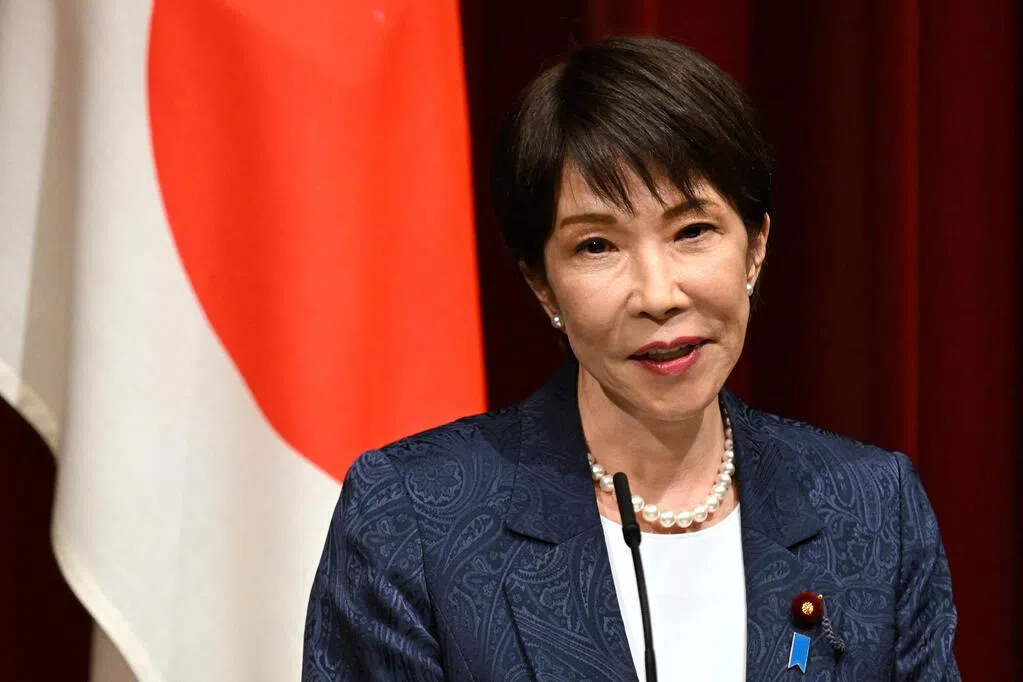
### Diplomatic Absence Amidst Global Climate Crisis
In a move that has raised concerns among international observers and climate advocates, sources within the Japanese government revealed on Thursday, November 5, that Prime Minister Sanae Takaichi is expected to be absent from the high-level leadership segment of the 31st United Nations Climate Change Conference (COP31). The summit, scheduled to take place in Antalya, Turkey, represents one of the most critical annual gatherings for global leaders to coordinate efforts in mitigating the escalating threats of global warming.
According to reports from Kyodo News, if the Prime Minister's absence is officially confirmed, it will mark the third consecutive year that Japan's top executive has failed to attend the COP summit. This recurring pattern is prompting critics to question whether Japan is losing its strategic presence and leadership role in the global environmental arena. In an era where the window to prevent catastrophic temperature rises is closing, the absence of a major G7 economy's leader is often interpreted as a lack of political urgency.
### A Congested Diplomatic Calendar
The official justification for the Prime Minister's anticipated absence centers on an incredibly tight diplomatic schedule. COP31 is slated to run from November 9 to November 20, with the World Leaders Climate Action Summit—the most prestigious portion of the event—occurring specifically on November 11 and 12.
However, the weeks following the climate summit are packed with other high-stakes international engagements. Japan is preparing for a series of critical meetings, including the ASEAN-related summits and the APEC (Asia-Pacific Economic Cooperation) leaders' informal meetings. For the Japanese administration, these regional forums are vital for maintaining security ties and economic cooperation within the Indo-Pacific region. The government is reportedly balancing these priorities against the climate summit, weighing the immediate geopolitical benefits of regional engagement against the long-term diplomatic costs of skipping COP31.
### Diverging Paths within the G7
The geopolitical landscape surrounding COP31 is further complicated by the varied stances of other G7 nations. While Japan hesitates, other leaders are taking distinct positions. The British Prime Minister, Burnham, has already confirmed his attendance, signaling the UK's intent to maintain a visible role in climate leadership. Conversely, the United States—under President Trump—is expected to remain absent, reflecting a broader American skepticism toward multilateral climate agreements and a preference for domestic energy priorities over international emissions targets.
Japan finds itself in a precarious middle ground. While it does not share the overt climate skepticism of the current US administration, its lack of leadership presence suggests a passive approach that may undermine its influence during key negotiations.
### Technical Delegation vs. Political Leadership
To mitigate the fallout of the Prime Minister's absence, the Japanese government is attempting to maintain a functional presence. Sources indicate that the Minister of the Environment is currently coordinating his schedule to attend the ministerial-level meetings starting on November 17. The goal is to ensure that Japan remains a part of the technical and critical negotiations regarding emission reductions and climate financing.
However, diplomatic historians argue that there is a fundamental difference between ministerial representation and the presence of a head of government. While ministers handle the technicalities, Prime Ministers and Presidents provide the political will and the authority to make binding commitments.
### The Path to 2050
This development comes shortly after Prime Minister Takaichi’s address at the United Nations General Assembly in September. During that speech, she emphasized Japan's commitment to a "Green Transformation," asserting that the nation is leveraging its technological prowess to transition toward a sustainable economy. Japan continues to aim for a target of net-zero greenhouse gas emissions by 2050.
Despite these stated goals, the disconnect between the Prime Minister's rhetoric on green transformation and her potential absence from the world's premier climate summit creates a narrative of inconsistency. As the international community looks toward Turkey for decisive action, Japan's strategic choice to prioritize regional trade and security over climate diplomacy may leave it sidelined in the defining environmental struggle of the century.