Escalating Tensions: Trump Defends Russian Energy Pact as Zelensky Decries US Pressure to Capitulate
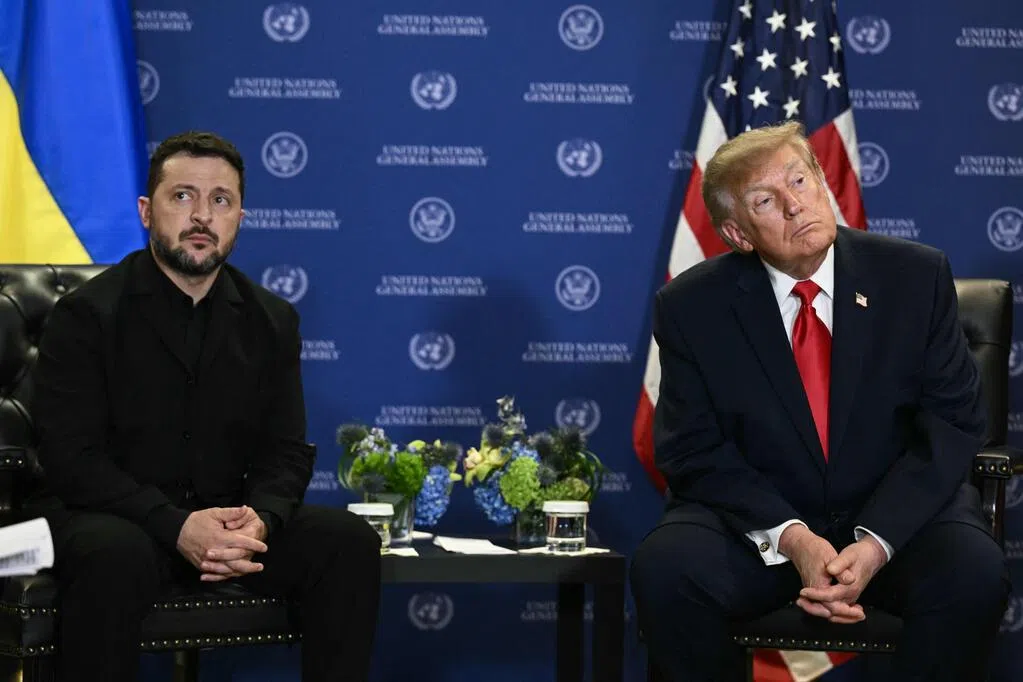
The diplomatic rift between former U.S. President Donald Trump and Ukrainian President Volodymyr Zelensky has widened significantly following a series of contentious exchanges regarding energy policies and the trajectory of the ongoing conflict with Russia. In a recent bid to justify his strategic approach, Trump defended a diesel supply agreement reached with Russian President Vladimir Putin, asserting that the move was a calculated diplomatic maneuver intended to ensure that Moscow remains open to peace negotiations.
Taking to the social media platform Truth Social on Sunday, October 18, Trump launched a blistering critique of President Zelensky. He accused the Ukrainian leader of utilizing military aid provided by European allies to prolong a war that has now entered its fifth year. Trump claimed that he is actively mediating peace talks and expressed a desire to avoid any "foolish" actions that might alienate Russia from the negotiating table, stating that significant progress has already been made in this regard.
Trump's rhetoric intensified as he questioned Zelensky's willingness to end the hostilities. According to the former president, Zelensky had opportunities to secure a far more favorable agreement two years ago. He painted a grim picture of Ukraine's current state, citing decimated infrastructure, significant territorial losses, the loss of maritime access, and a dwindling male population due to casualties and disability. Trump concluded his social media tirade by demanding an immediate end to the violence.
This diplomatic friction occurs against a backdrop of global energy volatility. For several months, Trump has sought to deflect criticism regarding spikes in global energy prices, which some attribute to U.S.-Iran tensions and the resulting disruption of oil shipments through the Strait of Hormuz. Instead, Trump has pointed to Ukraine's strategic strikes on Russian energy infrastructure as the primary catalyst for the surge in prices.
Following Trump's announcement on Friday, October 16, regarding the exemption of certain Russian energy imports from sanctions and tariffs, the international oil market responded with a slight correction. During the Asian trading session on Monday, October 19, Brent crude futures dropped by approximately 1.3%, falling to $108.43 per barrel. Similarly, West Texas Intermediate (WTI) saw a modest decline of 0.52%, settling at $100.88 per barrel.
President Zelensky, however, views these developments with deep suspicion. In an exclusive interview with Bloomberg on Sunday, Zelensky suggested that the United States is actively pressuring Kyiv to concede to Russian demands. While he stated that he prefers not to believe that American partners would sacrifice Ukraine to expedite the end of the war, he admitted that the current trajectory suggests otherwise. Despite these tensions, Zelensky expressed hope that U.S.-Ukraine relations might stabilize following the conclusion of the U.S. midterm elections, noting that political rhetoric often becomes hyper-aggressive during election cycles.
Further complicating the relationship are allegations regarding the restriction of satellite services. Zelensky accused the U.S. of deliberately limiting the utility of Starlink and Starshield systems, which are critical for intercepting Russian drones and managing logistics for frontline troops. Although the White House has firmly denied these claims, insisting that it has not interfered with the services, the dispute remains a point of contention.
Despite the public hostilities, diplomatic channels remain open. In an effort to revitalize stalled peace negotiations, Zelensky met on Sunday with Trump's special envoy, Witkoff, and his son-in-law, Jared Kushner, signaling that while the rhetoric is harsh, both sides are still exploring potential pathways toward a resolution.