Tensions Surge in Strait of Hormuz as Iran Reports Tanker Explosions and Downed US Drone
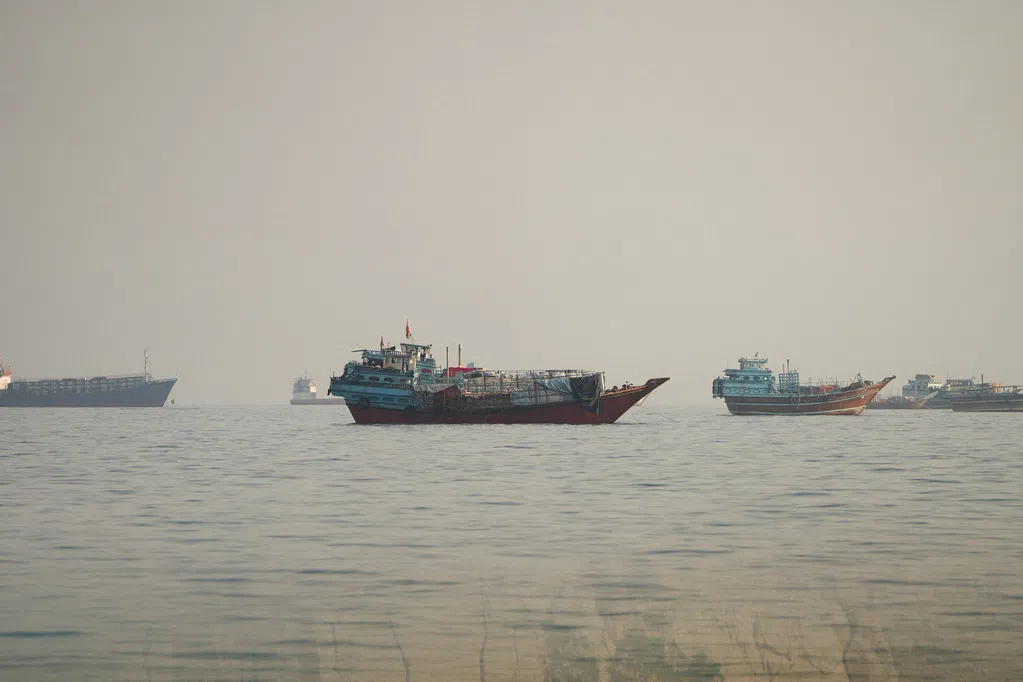
The strategic waters of the Strait of Hormuz have once again become the center of geopolitical volatility following a series of dramatic incidents reported by the Islamic Revolutionary Guard Corps (IRGC). On Tuesday, the IRGC announced that two tankers, described as operating in violation of regional regulations, struck naval mines deployed by Iranian naval forces. The impact resulted in massive fires and forced the vessels to come to a complete halt in the waterway.
According to official statements released via IRGC-affiliated media, the two tankers were attempting to navigate through a route on the southern side of the strait that Tehran deems 'illegal.' The subsequent explosions and fires served as a physical manifestation of the risks associated with traversing these contested waters. Shortly thereafter, the IRGC expanded its report via state television, revealing that a third tanker had also succumbed to a mine explosion in the same southern sector. This third vessel was reportedly carrying over two million barrels of crude oil. Iranian authorities highlighted a critical detail regarding this ship, claiming that the crew had intentionally deactivated all radar and navigation systems prior to the incident, suggesting an attempt to evade detection while navigating the mined zone.
These events were accompanied by an aggressive diplomatic warning. The IRGC stated that any attempts to cross the areas where mines have been deployed are strictly prohibited and constitute illegal activity. The statement warned that those who violate these boundaries will see their assets destroyed. Specifically, Tehran directed its ire toward the United States, asserting that if Washington continues its 'malicious conduct' in the region, international petroleum companies will face even more devastating costs. This rhetoric underscores the ongoing shadow war between the two nations, where the flow of global energy is often used as a primary lever of political pressure.
Beyond the maritime incidents, the IRGC confirmed another escalation in the air. On Monday night, Iranian air defense units successfully intercepted and shot down a US MQ-9 'Reaper' drone while it was operating over the Strait of Hormuz. This incident is not an isolated event but part of a broader pattern of confrontation; according to Iranian military sources, this marks the 54th American drone intercepted by Iranian forces within the last few months. The Reaper drone, known for its high-altitude surveillance and strike capabilities, is frequently used by the US for intelligence gathering in the Persian Gulf, a practice that Tehran views as a violation of its national sovereignty.
Analysts suggest that these simultaneous events—the mining of tankers and the downing of a surveillance drone—are designed to signal Iran's capability to disrupt one of the world's most vital oil chokepoints. The Strait of Hormuz is the primary artery for the transit of global oil supplies, and any sustained instability there has immediate repercussions for global energy prices and economic stability. The tension is further exacerbated by longstanding US sanctions aimed at curtailing Iran's financial resources, which Tehran argues necessitates a robust military posture to protect its interests.
As of the latest updates, the IRGC's naval and aerospace forces remain on high alert, maintaining continuous surveillance over the region. The situation remains fluid, with international observers closely monitoring whether these provocations will lead to a direct military confrontation or if they will remain within the realm of asymmetric warfare and psychological signaling.