The Wellness Trap: Experts Warn Against the Dangers of Supplement Overuse
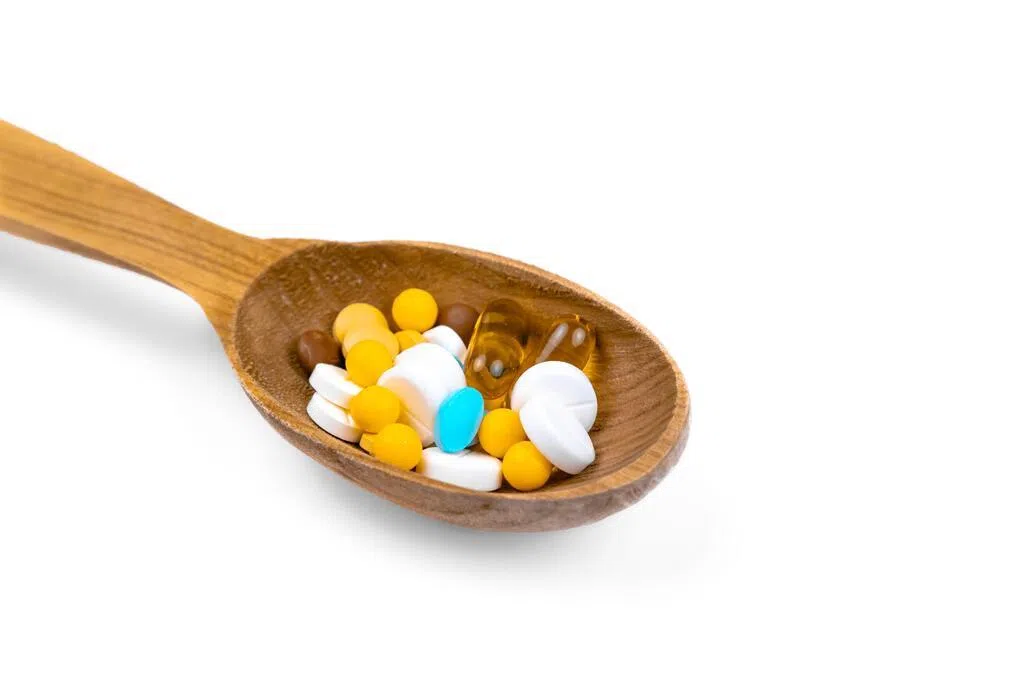
In an era defined by a relentless pursuit of longevity and 'biohacking,' an increasing number of individuals are turning to a cocktail of vitamins, minerals, and herbal extracts to optimize their health. However, what begins as a quest for vitality can often spiral into a medical emergency. Medical professionals are now issuing urgent warnings that the indiscriminate mixing of dietary supplements—often taken in high doses over extended periods—can lead to debilitating damage to the liver, kidneys, and gastrointestinal system.
Recent data highlights the scale of this trend. A survey conducted by the UK consumer organization Which? revealed that a staggering 76% of respondents regularly consume at least one type of supplement. Even more concerning is that nearly one-fifth of those surveyed admit to taking four or more different supplements daily. This habit of 'stacking' nutrients, while intended to provide a comprehensive health boost, often creates a volatile chemical environment within the body.
The story of Ginger Smith, a 30-year-old brand blogger from Seattle, serves as a stark cautionary tale. Three years ago, Smith embarked on a rigorous wellness regimen, consuming high doses of Vitamin C, Vitamin D, curcumin, and various anti-bloating supplements, complemented by electrolyte-enhanced waters. Initially, Smith felt a surge of energy and perceived a significant improvement in her overall wellbeing. However, this perceived health was a facade. After several years of this regimen, Smith began experiencing severe lower back pain. A medical examination revealed a kidney stone measuring two to three centimeters in diameter, which required surgical intervention for removal. Her physicians pointed to the excessive and uncoordinated intake of multiple supplements as the likely catalyst for the stone's formation.
Beyond the kidneys, the liver is another primary target for supplement-induced toxicity. Dr. Pedro de Maria Pallares, a gastroenterology specialist at the La Paz University Hospital in Madrid, reports a rising tide of patients presenting with liver dysfunction linked specifically to herbal supplements. The danger is compounded by a lack of regulation in the supplement industry. In the United States, research indicates that approximately 20% of all cases of drug-induced liver injury are attributed to the combined use of herbal and dietary supplements.
One of the most significant risks identified by experts is the phenomenon of nutrient duplication. Dr. Victoria Tzortziou Brown, President of the Royal College of General Practitioners, warns that many consumers are unaware that they are consuming the same ingredients across different products. This leads to the accidental ingestion of dosages far exceeding the recommended daily intake. Furthermore, certain supplements can interfere with prescription medications, either neutralizing their effectiveness or amplifying their side effects to dangerous levels. Dr. Brown emphasizes a fundamental truth often ignored in the wellness community: "More is not always better."
To mitigate these risks, nutritionists advocate for a return to basics. Kristen Stavridis, a UK-based nutritionist, suggests that for healthy adults without underlying medical conditions, the primary focus should remain on maintaining a balanced and diverse diet. She advises that those who suspect they have a nutritional deficiency should avoid self-diagnosing with a pill. Instead, they should seek professional medical consultation and carefully scrutinize product labels for recommended daily allowances. By shifting the focus from synthetic shortcuts to sustainable nutrition, individuals can protect their vital organs while still pursuing a healthier lifestyle.