Iran Tightens Maritime Control in Strait of Hormuz with New 'Blacklist' Regulations
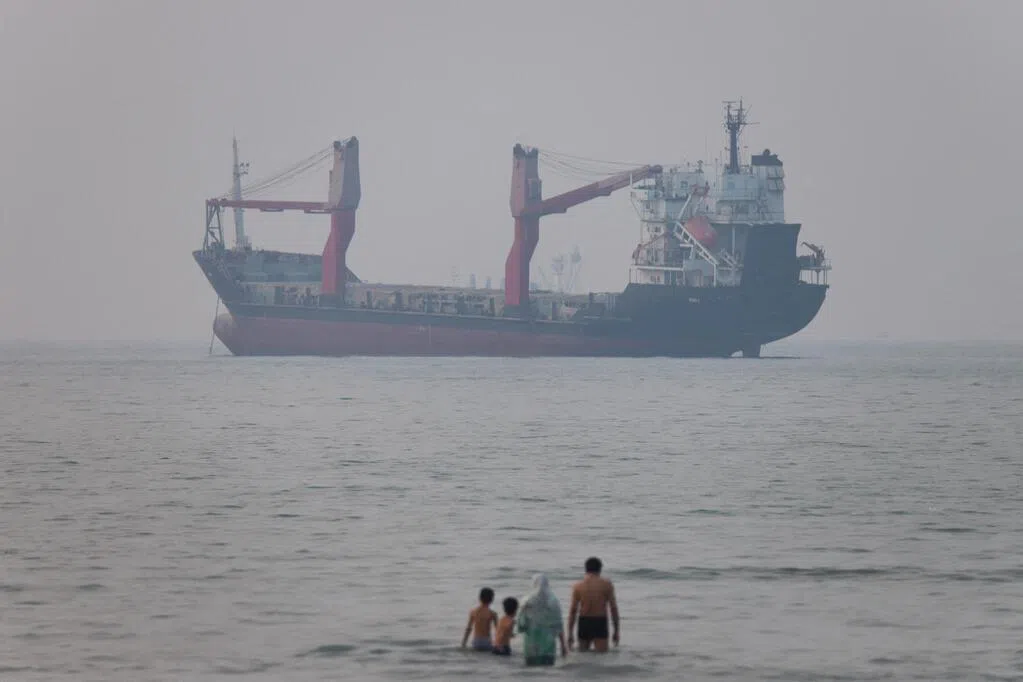
In a move that signals a tightening of control over one of the world's most critical maritime chokepoints, the Iranian government has unveiled a comprehensive set of new navigation regulations for the Strait of Hormuz. According to an official statement released on Sunday, August 23, by the Persian Gulf Strait Authority, the Iranian administration is implementing a rigorous monitoring system designed to regulate the flow of traffic and enforce compliance with national maritime laws.
At the core of these new regulations is the introduction of a 'non-compliant vessels' list. The authority has mandated that all cargo owners and charterers planning to transport goods through the Persian Gulf must thoroughly review this blacklist before finalizing any ship rental agreements. By doing so, Iran aims to ensure that cargo is not transported by vessels that have previously violated Iranian navigation protocols. The strategic intent behind this move is to create a deterrent against shipping companies that may ignore Iranian maritime laws or engage in activities deemed provocative by Tehran.
The penalties for non-compliance are severe. The Persian Gulf Strait Authority warned that any vessel found to be in violation of these new rules will face a range of restrictive measures. These include heavy financial penalties, the detention of ships, or in extreme cases, the total confiscation of the vessel. Adding a layer of complexity to these rules is a 'guilt by association' clause: any ship found to be cooperating or collaborating with a vessel already on the blacklist will automatically be added to the list themselves. This mechanism is designed to isolate non-compliant ships and force the broader shipping industry to self-police their partnerships to avoid the risk of seizure.
For shipping companies that find themselves on the blacklist, the path to reinstatement is narrow. The authority stated that any request to be removed from the list must be submitted via a formal application to the Persian Gulf Strait Authority, accompanied by a detailed explanation and justification for the removal. This puts the burden of proof on the shipping companies, ensuring that Tehran maintains absolute discretion over who is permitted to navigate the strait without hindrance.
These developments occur against a backdrop of heightened geopolitical volatility. The Strait of Hormuz is the primary artery for global oil exports, and any disruption in this narrow waterway has immediate repercussions for global energy prices. Reports have already indicated a rise in shipping risks, with some international vessels, including Chinese supertankers, reportedly altering their courses or turning back to avoid potential conflicts. Furthermore, the region has seen an increase in covert military activities, with reports of the United States military conducting secret operations to secure oil transport lanes, further complicating the security landscape.
Industry analysts suggest that Iran's new rules are not merely administrative but are tactical tools in a larger geopolitical game. By controlling the legal and operational framework of the strait, Iran increases its leverage over international trade and energy security. For logistics firms and oil majors, these rules introduce a new layer of operational risk and legal uncertainty, likely leading to higher insurance premiums and increased costs for transporting goods through the region. As the situation evolves, the international community remains watchful of how these measures will affect the stability of global energy markets and the safety of maritime navigation in the Middle East.