US Military Enhances Maritime Security in Strait of Hormuz Amid Escalating Tensions with Iran
### Heightened Vigilance in the Persian Gulf
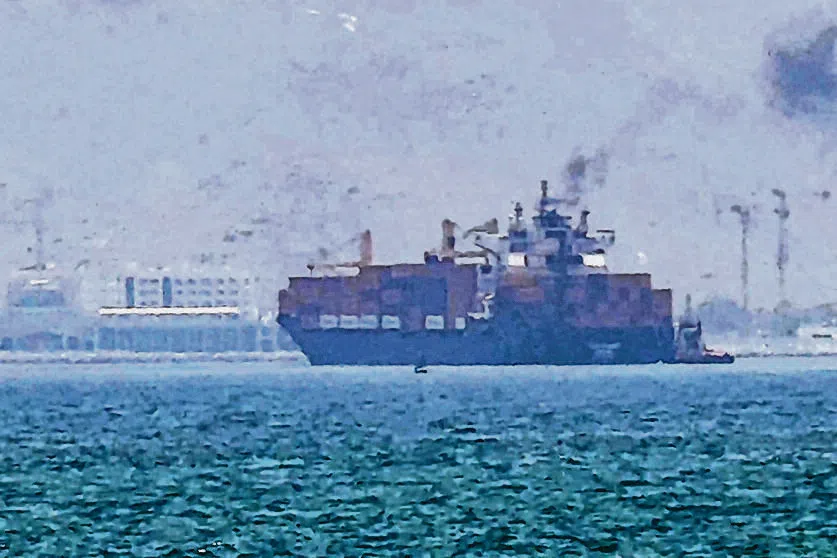
In a significant move to ensure the continuity of global trade and energy security, the United States military has ramped up its coordination efforts in the Strait of Hormuz. According to recent reports, approximately 20 commercial vessels successfully navigated the narrow waterway over the past 24 hours under the direct coordination of US naval assets. While the majority of ships utilized this security umbrella, several other merchant vessels chose to transit the strait independently, reflecting a varied approach to risk management among international shipping companies.
### The Strategic Significance of the Strait
The Strait of Hormuz serves as one of the world's most critical maritime chokepoints. As the primary artery for the export of oil from the Persian Gulf to global markets, any disruption in this corridor can lead to immediate spikes in global energy prices and severe economic instability. The US military's decision to provide coordination and security escorts is a response to the perceived threat of Iranian interference, which has historically utilized the strait as a lever in geopolitical disputes.
### Military Escalation and Tactical Strikes
This increase in maritime coordination coincides with a broader US military strategy aimed at degrading the operational capabilities of Iranian forces. The US has recently executed its fourth round of targeted strikes, specifically designed to weaken Tehran's capacity to launch attacks against commercial shipping. These operations are viewed by military analysts as a preemptive measure to deter the seizure of vessels or the deployment of naval mines in international waters.
Adding to the volatility of the region, reports have emerged regarding a US strike on Geshm Island. Local sources indicate that the operation resulted in one fatality and left two others injured. This incident has further strained the already fragile relationship between the two nations, with the strike highlighting the high-stakes nature of the current military posture in the Gulf.
### Geopolitical Implications and Risks
The current state of affairs in the Strait of Hormuz is a microcosm of the broader struggle for influence in the Middle East. The US strategy of "maximum pressure" and active maritime patrolling is intended to signal that the international community will not tolerate the weaponization of shipping lanes. However, critics argue that such aggressive postures may provoke the very instability they seek to prevent, potentially leading to a cycle of retaliation.
From a tactical perspective, the fact that some commercial ships continue to transit without US coordination suggests a level of uncertainty among commercial operators regarding the actual level of risk. While the US provides a security guarantee, some shipping firms may avoid the perception of being directly tied to US military operations to mitigate potential retaliation from regional actors.
### Outlook for Regional Stability
As the situation evolves, the focus remains on whether diplomatic channels can be reopened to prevent a full-scale naval conflict. The coordination of merchant ships is a temporary tactical solution to a deep-seated political problem. Without a comprehensive agreement regarding maritime boundaries and the conduct of naval forces in the Gulf, the Strait of Hormuz will likely remain a flashpoint for international conflict. The international community continues to watch the region closely, fearing that a single miscalculation during these high-tension patrols could trigger a wider regional crisis.