Record-Breaking Expenditures: The Financial War Shaping the US Midterm Elections
### The Escalation of Political Spending
As the United States approaches its midterm elections, the political atmosphere has shifted from a mere clash of ideologies to a full-scale financial war. Recent data reveals that the scale of spending in this election cycle is not just increasing but is poised to shatter all previous records. According to figures released by the Federal Election Commission, total spending had already surpassed $9.5 billion by mid-October. However, this is only the beginning of a larger trend.
Industry analysts and independent monitors, such as the organization Open Secrets, suggest that the final tally will be significantly higher. Based on historical spending patterns and current trajectories, the total expenditure for this midterm cycle is expected to climb toward $12 billion. This represents a staggering increase of approximately 30% compared to the 2022 elections, cementing this cycle's status as the most expensive midterm election in the history of the United States.
### The Engine of Influence: Super PACs
A critical driver behind this financial explosion is the role of Political Action Committees (PACs) and, more specifically, Super PACs. More than half of the total spending has been funneled through these entities. While traditional PACs are subject to strict contribution limits, Super PACs operate under a different set of rules that allow them to accept unlimited donations from individuals, corporations, and labor unions.
Although these organizations are legally prohibited from coordinating directly with a candidate's official campaign or donating funds directly to them, they wield immense power through "independent expenditures." By spending millions on targeted advertising, grassroots mobilization, and public relations efforts, Super PACs can effectively shape the narrative of an election and tilt the scales in favor of their preferred candidates without ever handing a check to the campaign itself.
### The Billionaire Battle: Musk vs. Bloomberg
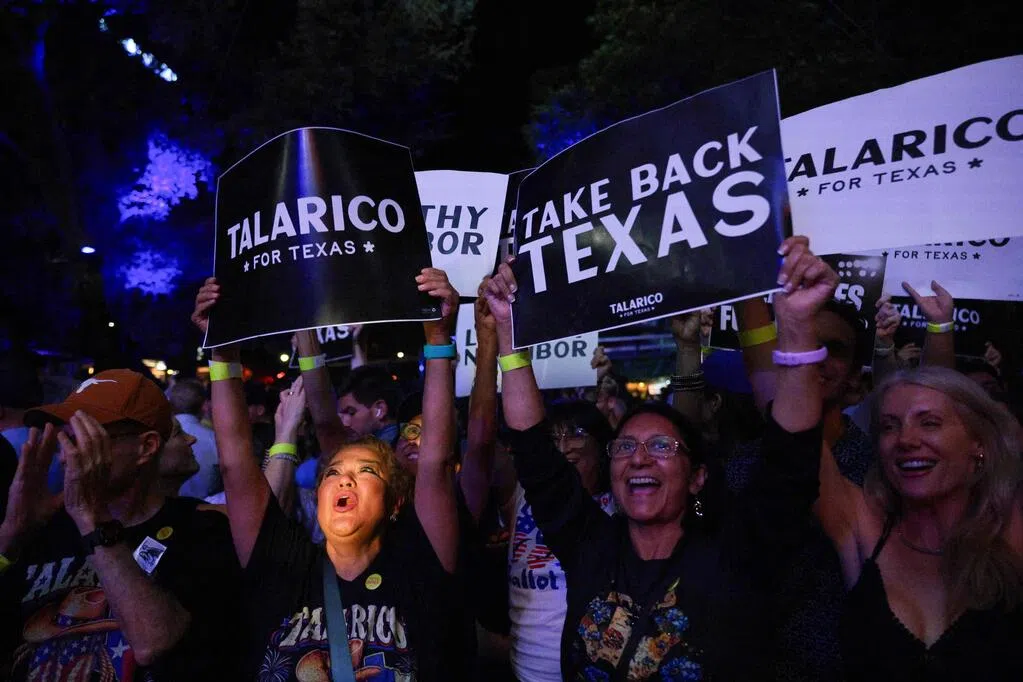
The influence of a few ultra-wealthy individuals has become a defining characteristic of this election. Standing at the forefront of the Republican effort is Elon Musk, who has emerged as the largest individual donor of the cycle. Musk has poured nearly $500 million into supporting GOP candidates, with a strategic focus on Texas. Given that Texas is both a pivotal battleground state and the home to several of Musk's corporate ventures, his financial intervention is seen as a move to ensure a political environment favorable to his business interests.
On the opposite side of the political spectrum, the Democratic Party has seen its largest contributions come from Michael Bloomberg, the former mayor of New York. Bloomberg has contributed over $60 million to Democratic causes, attempting to counter the Republican surge. The concentration of wealth in these campaigns is further highlighted by data from the Brennan Center for Justice, which notes that the top 40 donors alone contributed $2.4 billion by mid-October—a record high for any midterm cycle.
### Where the Money Goes
While some funds are allocated toward hiring campaign staff, conducting internal polling, and organizing ground-game operations to mobilize voters, the vast majority of the capital is being spent on visibility. Specifically, the battle for the airwaves has become the primary focus.
Advertising has become the most expensive component of the modern campaign. According to AdImpact, a firm that tracks advertising spend, expenditures on commercials and digital ads reached approximately $11.15 billion by the end of October. The heavy reliance on television advertising underscores a strategy of saturation, where campaigns aim to dominate the psychological space of undecided voters in key districts, ensuring that their messaging is inescapable in the final stretch before the polls open.