European Energy Markets Shaken as Natural Gas Prices Breach €100 Threshold
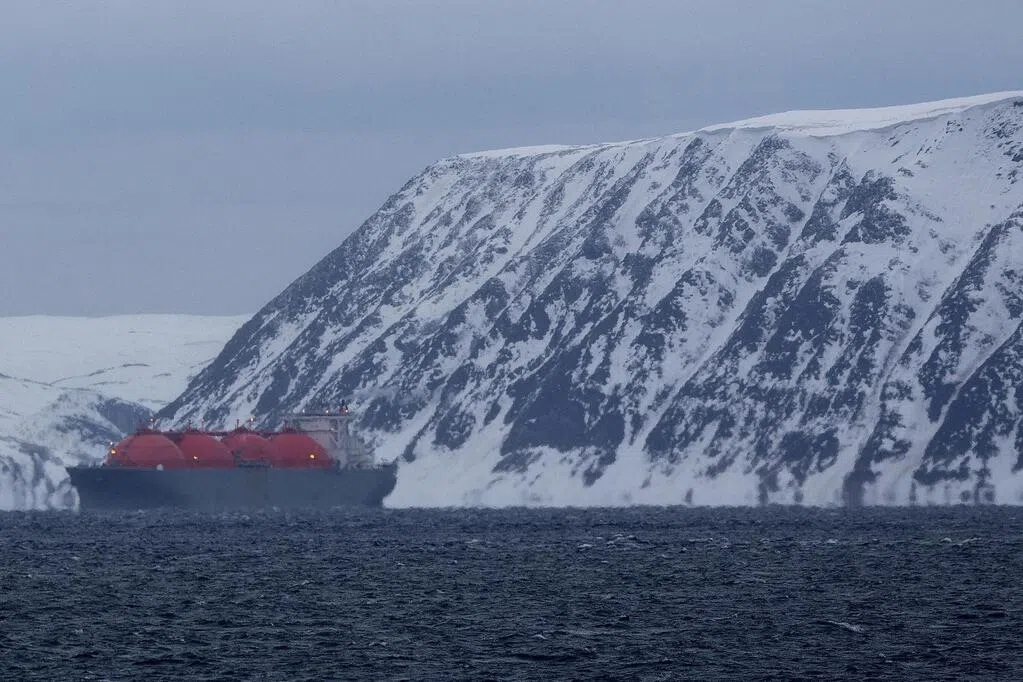
The European energy sector has entered a period of heightened volatility as the benchmark for natural gas futures briefly touched the psychologically significant mark of 100 euros per megawatt-hour. According to data from the Intercontinental Exchange (ICE), the Dutch Title Transfer Facility (TTF) near-month contract—the primary gauge for European gas pricing—experienced a sharp climb on Wednesday, October 28, reflecting a surge of approximately 4% compared to the previous trading session. This price action represents the most aggressive upward movement in the market since late 2022.
The primary catalyst for this price spike is the deteriorating geopolitical situation in the Middle East. Shipping disruptions for Liquefied Natural Gas (LNG) have created a bottleneck in supply just as Europe prepares for the increased heating demands of the winter months. The escalation of conflict, particularly involving tensions surrounding Iran and the involvement of the United States, has sent shockwaves through the global commodities market. Beyond natural gas, these geopolitical frictions have simultaneously driven up the costs of crude oil, transportation fuels, electricity, and essential food items, creating a compounding inflationary effect across the continent.
For the average European consumer, the surge in wholesale prices is not merely a statistical anomaly but a direct threat to cost-of-living stability. Current trading prices have ballooned to roughly three times the levels recorded before the outbreak of the current regional wars. While these prices remain below the absolute peaks seen during the height of the 2022 energy crisis, the ripple effect is being felt acutely. Wholesale volatility is rapidly transferring to retail utility bills, triggering financial distress for millions of households and, in several nations, sparking social unrest and public protests over the rising cost of basic necessities.
The industrial sector is facing an even more dire situation. Industries that rely heavily on natural gas as a primary raw material—such as the production of nitrogen-based fertilizers, specialty chemicals, and steel—are reaching a breaking point. To mitigate unsustainable operational costs, several major industrial firms have already begun implementing production cuts. This slowdown in manufacturing threatens to dampen broader economic growth across the Eurozone, as the high cost of energy erodes the global competitiveness of European exports.
Market analysts suggest that the road to stabilization will be long. Experts from various forecasting agencies warn that high energy costs are likely to persist for at least another year, regardless of whether the current conflicts are resolved or if Europe experiences an unusually mild winter. The fundamental issue lies in the current state of storage; European natural gas inventories have been depleted to historically low levels. The necessity of aggressively refilling these reserves to ensure energy security means that demand will remain high, providing a structural floor for prices.
Tom Marzec-Manser, the head of European gas and LNG research at Wood Mackenzie, noted that while the 100-euro mark acts as a critical psychological barrier that may provide some temporary resistance against further climbs, the market remains fragile. He highlighted that the fluidity of Middle Eastern geopolitics, combined with the uncertainty surrounding the upcoming United States midterm elections, creates an environment where even minor negative catalysts could propel prices even higher. Consequently, Europe remains in a precarious position, balancing its immediate energy needs against a backdrop of global instability and depleted reserves.