Netanyahu Conducts Clandestine Visit to Abu Dhabi Amid Heightened Regional Tensions
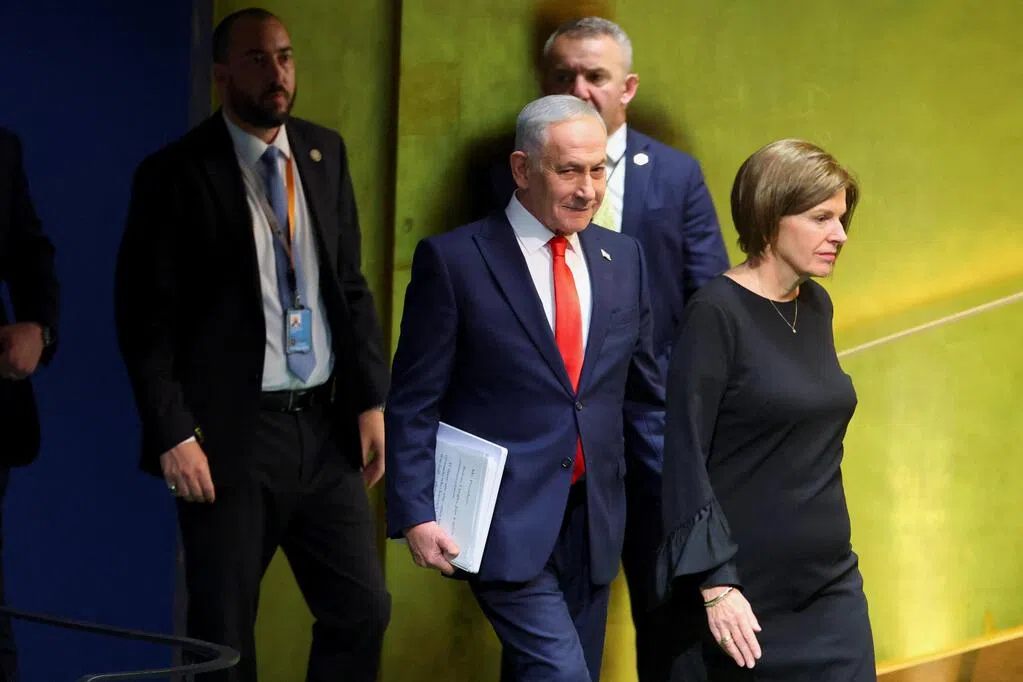
In a move that underscores the complex and often opaque nature of Middle Eastern diplomacy, Israeli Prime Minister Benjamin Netanyahu reportedly flew to the United Arab Emirates for a discreet, high-stakes meeting on Sunday, September 27. According to various reports from prominent Israeli media outlets, including Channel 12, KAN television, Haaretz, and The Jerusalem Post, the Prime Minister arrived in Abu Dhabi via private jet for a visit that lasted approximately four hours. While the offices of both Prime Minister Netanyahu and the UAE leadership have remained silent on the matter, the visit suggests an urgent need for direct communication between the two nations during one of the most turbulent periods in the region's recent history.
The clandestine nature of the trip is particularly telling. By avoiding official protocols and public announcements, both leaders likely sought to minimize public scrutiny and avoid provoking adversaries in the region. According to sources cited by Reuters and AFP, the primary objective of the trip was a face-to-face discussion with UAE President Mohamed bin Zayed. Such meetings are often used to synchronize security strategies, discuss regional stability, and manage the diplomatic fallout of ongoing conflicts without the pressure of public optics.
This diplomatic outreach occurs against a backdrop of severe friction and historical contention. The relationship between Israel and the UAE is anchored in the 2020 Abraham Accords, a landmark series of normalization agreements brokered by the United States. These accords represented a paradigm shift in the Middle East, moving away from the traditional requirement that a Palestinian state must be established before normalization with Arab states could occur. However, the durability of these ties has been tested by the devastating conflict sparked by the October 7 attacks and the subsequent war in Gaza.
Adding a layer of tension to this specific visit is a lingering controversy regarding intelligence failures. Approximately two weeks ago, the Israeli newspaper Haaretz published a report alleging that President Mohamed bin Zayed had personally phoned Prime Minister Netanyahu roughly ten days before the Hamas assault, warning him of a planned major military operation. The report claimed that this critical warning was never relayed to Israel's military or intelligence agencies. Netanyahu has vehemently denied these claims, threatening legal action against the publication, but the allegation persists as a point of contention within the Israeli political landscape, suggesting a possible failure in the Prime Minister's office to act on external intelligence.
Furthermore, the visit takes place while Netanyahu faces significant international and domestic pressure. His recent hardline rhetoric at the United Nations has drawn sharp criticism from global leaders, and reports of Israeli officials suggesting the annexation of parts of the Gaza Strip and southern Lebanon have further complicated diplomatic efforts. The secret trip to Abu Dhabi may have been an attempt to reassure the UAE that despite the aggressive public stance and the internal pressures of the Israeli cabinet, the strategic partnership formed under the Abraham Accords remains a priority.
As the region teeters on the edge of a wider conflict involving Hezbollah in Lebanon and various proxies across the Middle East, the quiet coordination between Jerusalem and Abu Dhabi serves as a barometer for the current state of regional security. The brevity of the visit—just four hours—suggests a focused agenda, likely centered on immediate security concerns and the prevention of a total diplomatic collapse in the face of ongoing hostilities. The meeting reflects a broader trend where formal diplomacy is supplemented, or even replaced, by secret channels to manage the volatile dynamics of the Middle East.