South Korea Moves Toward Nuclear Submarine Fleet with Explicit Non-Proliferation Pledge
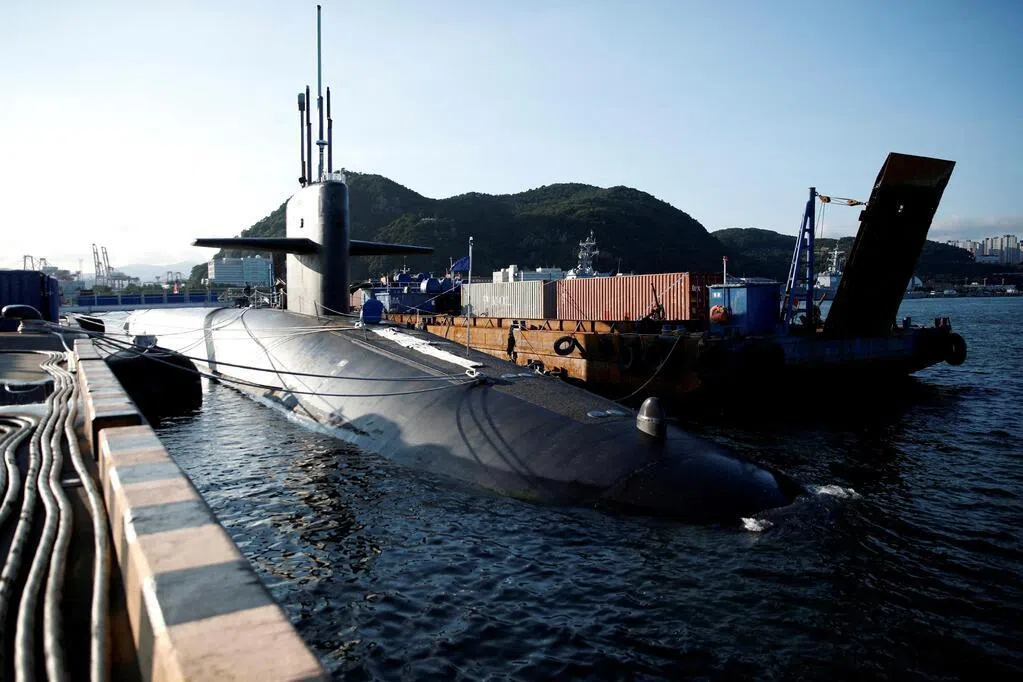
In a strategic move to bolster its maritime defense capabilities amidst rising regional tensions, the South Korean government has announced plans to introduce a comprehensive legal framework for the development and operation of nuclear-powered submarines. The proposed legislation, titled the "Special Act on the Acquisition, Operation, and Safety Management of Nuclear-Powered Submarines," marks a pivotal shift in Seoul's naval strategy. Most notably, the act will explicitly codify a "no-nuclear weapons" principle, formally stating that the project will not involve the development, manufacture, or possession of atomic armaments.
This legislative inclusion is seen as a calculated diplomatic maneuver. By embedding non-proliferation guarantees directly into domestic law for the first time, South Korea aims to reassure the international community—and specifically its key allies—that its pursuit of nuclear propulsion is strictly for conventional deterrence and surveillance, rather than a veiled attempt to acquire nuclear strike capabilities. The act further reinforces this stance by pledging not to transfer military nuclear materials and ensuring that the project does not undermine the credibility of existing global nuclear non-proliferation regimes.
Beyond the diplomatic safeguards, the Special Act is designed to accelerate the technical timeline of the "Jang Bogo-N Project." To avoid the bureaucratic delays that often plague large-scale national defense initiatives, the law includes provisions that allow the government to bypass certain feasibility studies and other regulatory hurdles. This streamlined approach is intended to ensure that the project remains on track for its ambitious goals: achieving the first launch of a nuclear-powered vessel by the mid-2030s, with full operational deployment expected by the latter half of the decade.
To oversee the complexities of this transition, the government plans to establish a Nuclear Submarine Strategic Committee. This body will be tasked with critical administrative and technical decisions, including the selection of sites for specialized facilities and the procurement of necessary funding. Furthermore, the legislation mandates the creation of a ten-year basic plan for nuclear submarine development, paired with rigorous safety management protocols. These protocols will specifically address the handling of nuclear waste and the prevention and response mechanisms for potential radioactive accidents, ensuring that the project adheres to stringent environmental and safety standards.
From a technical perspective, the Jang Bogo-N Project intends to utilize low-enriched uranium—with an enrichment level below 20%—as the primary reactor fuel. This choice is strategically significant, as it aligns more closely with international safety norms while still providing the submarines with the immense endurance and stealth capabilities that nuclear propulsion offers over traditional diesel-electric systems. Unlike conventional submarines, which must surface or snorkel frequently to recharge batteries, nuclear-powered vessels can remain submerged for extended periods, providing a critical advantage in monitoring subsurface threats.
The drive toward nuclear naval power comes at a time of heightened volatility in East Asia. With North Korea continuing to expand its nuclear arsenal and labeling South Korea as its "most hostile" adversary, Seoul views the acquisition of nuclear submarines as a necessary deterrent. However, the move is not without risk; analysts warn that such a development could inadvertently trigger an underwater arms race in the region, prompting neighboring powers to upgrade their own naval capabilities in response. Despite these geopolitical sensitivities, South Korea appears determined to move forward, attempting to balance its sovereign security imperatives with its responsibilities as a member of the global non-proliferation community.