Canada Accelerates Global Diversification Strategy to Mitigate Trade Dependence on United States
In a decisive move to safeguard its economic sovereignty and navigate an increasingly volatile global landscape, Canada has announced an aggressive strategy to diversify its trade and security partnerships. The Canadian government has set an ambitious target to double the volume of its trade with nations outside of the United States over the next ten years, signaling a strategic shift away from its historical over-reliance on its southern neighbor.
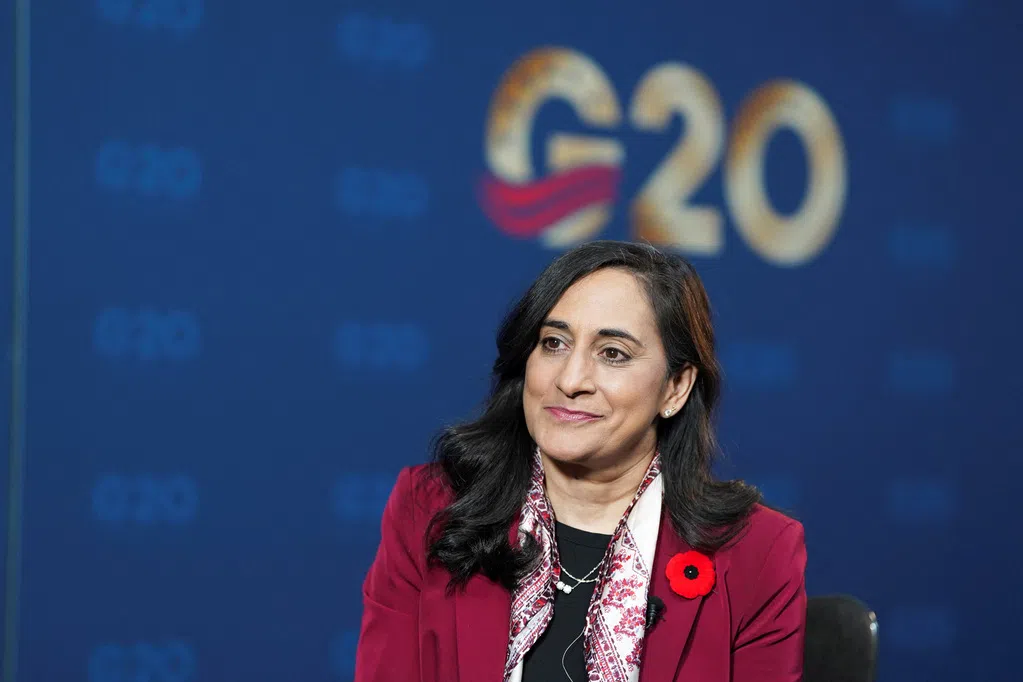
This policy pivot comes amidst heightened economic tension with the U.S., following the imposition of tariffs on Canadian goods and the subsequent breakdown of trade negotiations. These pressures have served as a catalyst for Ottawa to accelerate the pursuit of new bilateral and multilateral agreements. Speaking on the sidelines of the G20 foreign ministers' meeting, Foreign Minister Anita Anand emphasized that the diversification effort is not merely about economics, but about building a foundation of mutual trust and resilience in an era of geopolitical instability.
One of the most significant milestones in this strategy is the anticipated completion of a free trade agreement with the Association of Southeast Asian Nations (ASEAN) by the end of this year. By tapping into one of the world's fastest-growing economic blocs, Canada aims to open new corridors for its exports and secure more stable supply chains. Minister Anand revealed that Canada has already successfully negotiated 20 new trade and security pacts, covering more than 51 countries and providing access to approximately 1.5 billion consumers. Notably, Canada currently holds the distinction of being the only G7 member state to have signed free trade agreements with every other member of the group.
Beyond trade, Canada is redefining its global role through what Minister Anand describes as "middle power diplomacy." This framework involves taking a proactive lead in niche areas of global security and innovation. For instance, Canada is strengthening its security cooperation with Nordic countries to address the growing threats in the Arctic region, particularly in response to Russian activity. Simultaneously, Ottawa is collaborating with India and Australia to establish international standards and protections for personal privacy within the realms of artificial intelligence and technological innovation.
Europe also remains a cornerstone of Canada's diversification plan. The government is seeking to deepen its integration with the European Union, exploring possibilities to become an "associate member." This deepening relationship is reflected in Canada's recently unveiled national security strategy, which prioritizes the security of food, energy, and critical minerals—sectors that are vital for the transition to a green economy and reducing vulnerability to single-source dependencies.
Minister Anand noted that the current international order is undergoing a fundamental transformation. She argued that the proliferation of new alliances and organizations is a necessary response to contemporary crises. Her critique of the presence of Russian Foreign Minister Sergey Lavrov at the G20 summit further underscored her view that the global order is currently fractured, necessitating a more agile and diversified diplomatic approach to ensure Canada's long-term stability and prosperity.