New British Prime Minister Andy Burnham Initiates Strategic Diplomatic Offensive
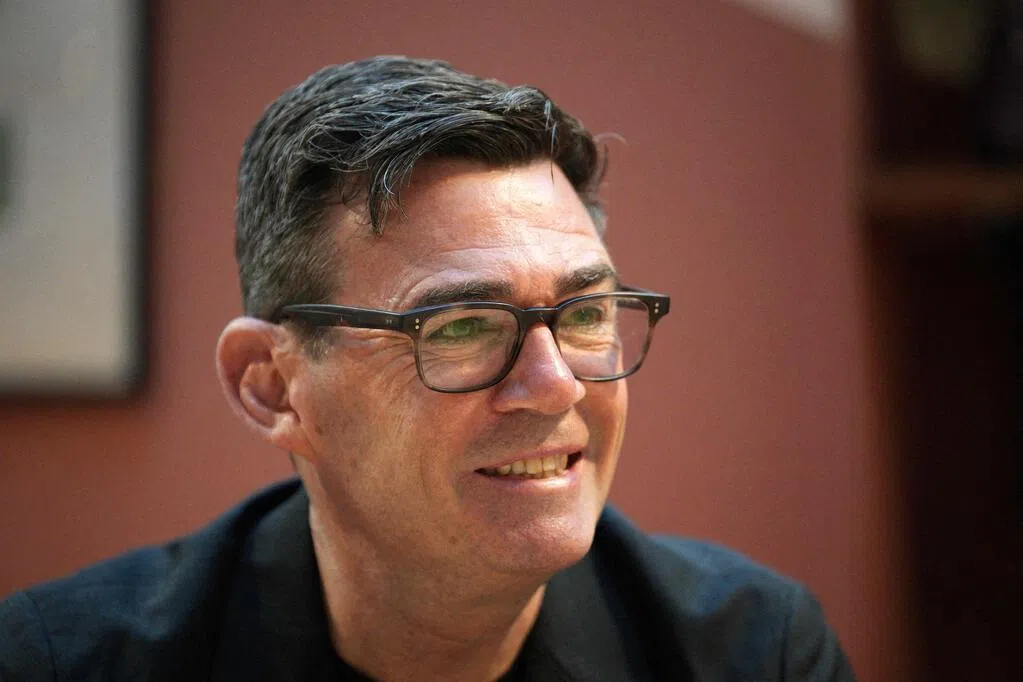
### A New Era of Diplomacy at Downing Street
In a rapid succession of diplomatic engagements, the newly inaugurated British Prime Minister, Andy Burnham, has signaled his administration's immediate priorities by reaching out to key global leaders. Within hours of assuming office, the Prime Minister’s office confirmed a series of high-stakes conversations aimed at stabilizing international alliances and reaffirming the United Kingdom's role as a pivotal player in global security and governance.
### Strengthening the Bond with Ukraine
Central to Prime Minister Burnham's early agenda is the ongoing conflict in Eastern Europe. On Monday, July 20, the Prime Minister held a comprehensive telephone conversation with Ukrainian President Volodymyr Zelenskyy. During the call, Burnham emphasized that the United Kingdom's resolve remains unshaken, promising unwavering support for the Ukrainian people in their fight for sovereignty.
Beyond mere rhetoric, the Prime Minister extended a formal invitation to President Zelenskyy to visit the United Kingdom at the earliest possible convenience. This invitation is seen by analysts as a powerful symbolic gesture, intended to demonstrate to the world that Britain remains one of Ukraine's most steadfast allies. This outreach comes at a critical juncture, as Ukraine continues to face aggressive ballistic missile campaigns from Russian forces, prompting a surge in the need for coordinated Western military and humanitarian aid.
### Recalibrating European and Global Ties
The Prime Minister's diplomatic blitz extended to Western Europe, where he engaged in a productive dialogue with French President Emmanuel Macron. The conversation focused on the historical and strategic partnership between London and Paris. Both leaders discussed the necessity of consolidating the Anglo-French relationship to ensure stability across the English Channel.
Their discussions were wide-ranging, touching upon the collective security architecture of Europe and the urgent need to maintain support for Ukraine. Notably, the two leaders also addressed critical geopolitical flashpoints, including the reopening of the Strait of Hormuz, a vital artery for global oil trade. Furthermore, the dialogue explored deepening collaborations in the realms of national defense and energy security, suggesting a move toward a more integrated approach to tackling the energy crises currently affecting the continent.
### The Transatlantic Connection
Recognizing the indispensable nature of the 'Special Relationship,' Prime Minister Burnham also connected with United States President Donald Trump. While the conversation covered essential diplomatic ground, Burnham added a personal touch to the dialogue. He expressed a keen desire to host President Trump in the north of England, noting his eagerness to showcase the unique appeal and industrial heritage of Manchester.
This sequence of calls was not accidental. In a video recorded prior to his official appointment, Burnham had explicitly stated that the leaders of the United States and Ukraine would be his first points of contact upon taking office, highlighting a calculated strategy to secure the UK's most critical geopolitical interests from day one.
### From the North to the National Stage
The ascent of the 56-year-old Andy Burnham to the premiership marks a significant shift in British politics. Having served as the Minister for Culture and the Health Secretary, Burnham brought a wealth of administrative experience to the role. However, it was his tenure as the Mayor of Greater Manchester from 2017 until June of this year that truly defined his political identity.
During the height of the COVID-19 pandemic, Burnham became a prominent figure of resistance against the central government's handling of the crisis. By fighting for increased financial compensation for the North of England and openly challenging the policies of former Prime Minister Boris Johnson, he earned the moniker "King of the North." This reputation for boldness and regional advocacy is now being transitioned into a national leadership style, as he attempts to navigate the complexities of global diplomacy with the same tenacity he displayed in Manchester.