Catastrophic High-Speed Rail Collision in Spain Leaves at Least 64 Dead
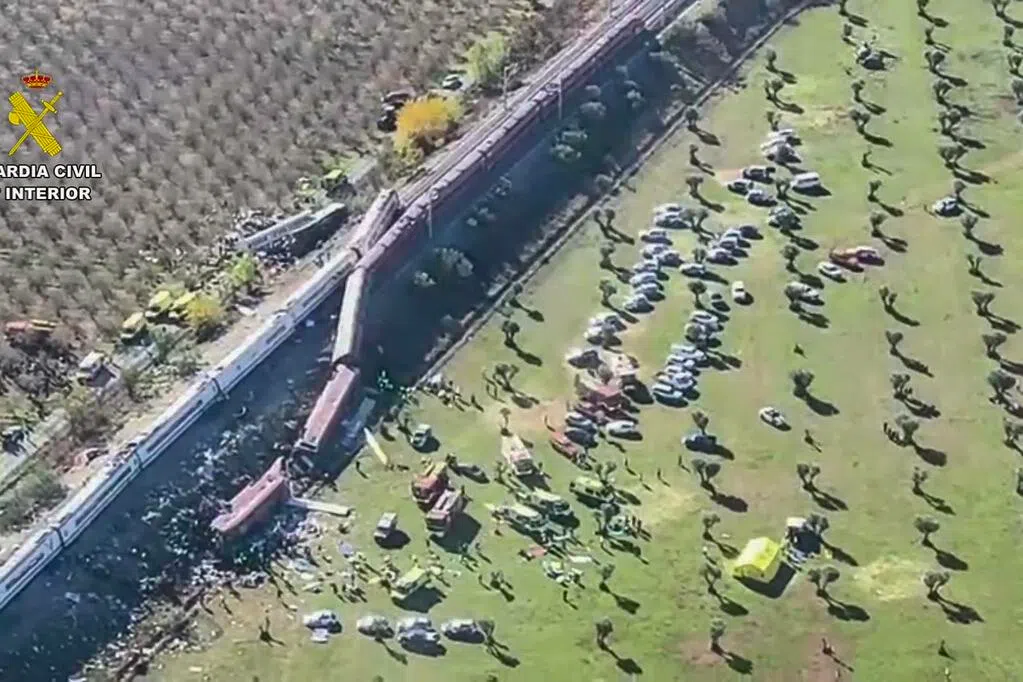
In a devastating blow to Spain's transportation safety record, a violent collision between two high-speed trains has claimed the lives of at least 64 people and left dozens more injured. The tragedy unfolded on Wednesday morning around 9:00 AM local time, sending shockwaves through the region and prompting an immediate emergency response on a massive scale.
The accident took place on a stretch of elevated railway located between the towns of Mora and Orgaz, situated near Toledo, south of the capital city, Madrid. According to official reports from the Spanish railway infrastructure manager, Adif, the collision involved two separate high-speed services: one operated by the state-owned Renfe and another by the private operator Iryo. Both trains were traveling on the same route, heading from Madrid toward the southern city of Seville, when the disaster occurred.
Witnesses and rescue teams described a scene of absolute carnage. Because the collision happened on a viaduct, the impact was particularly severe. Several carriages were violently derailed, with at least three passenger cars plummeting from the elevated tracks onto the embankment below. The site was transformed into a graveyard of mangled steel, shattered glass, and twisted wreckage. For hours, the air was filled with the sound of sirens and the rotors of multiple helicopters as emergency services scrambled to extract survivors from the ruins. Hundreds of ambulances and funeral vehicles lined the access roads, underscoring the scale of the loss.
Survivors who were evacuated from the wreckage walked along nearby roads, some visibly shaken, covered in blood, or wrapped in bandages. In a show of community solidarity, local residents from neighboring towns arrived at the scene to provide bottled water and basic supplies to the displaced and traumatized passengers.
One survivor, a man named Miguel who was seated in the final carriage of one of the trains, provided a harrowing account of the moments leading up to the crash. He described hearing a sudden, thunderous explosion followed by approximately ten seconds of violent shaking. He recalled the terrifying sensation that the train was about to jump the tracks, and upon looking through the right-side window, he saw the wreckage of the other train already smashed against theirs.
Preliminary investigations suggest that a critical signal failure may be the primary cause of the disaster. Sources indicate that the Iryo-operated train had been instructed by Adif to come to a complete stop near Toledo due to the technical glitch. While the Iryo train remained stationary, the Renfe train, allegedly following instructions to proceed, struck the rear of the stopped train at high speed.
In an official statement, Renfe acknowledged the collision, noting that their train had been authorized to move forward before hitting the Iryo vessel, which was stopped for reasons that remain under investigation. The company emphasized that a full inquiry is necessary to determine the exact traffic conditions and the specific sequence of events that led to the impact.
This catastrophe has reignited concerns over rail safety in Spain, especially as it comes less than a year after another deadly collision in the town of Adamuz, which resulted in 46 fatalities. As recovery teams continue to sift through the debris for further victims, the Spanish government and railway authorities face mounting pressure to explain how such a fatal error could occur on one of the world's most advanced high-speed rail networks. For now, all rail services connecting Madrid to the southern regions remain suspended.