Strategic Diversification: Persian Gulf Oil Powers Pivot Away from Strait of Hormuz
### The End of an Era of Simple Logistics
For decades, the blueprint for exporting oil from the Persian Gulf was dictated by a straightforward logic: minimize production costs, utilize the most direct maritime routes, and sell to the highest bidder. The epicenter of this system was the Strait of Hormuz, a narrow waterway that served as the primary artery for global energy supplies. However, the geopolitical landscape has shifted violently. The era of predictable, low-risk shipping is over, replaced by a reality where the Strait of Hormuz has become a focal point of military friction.
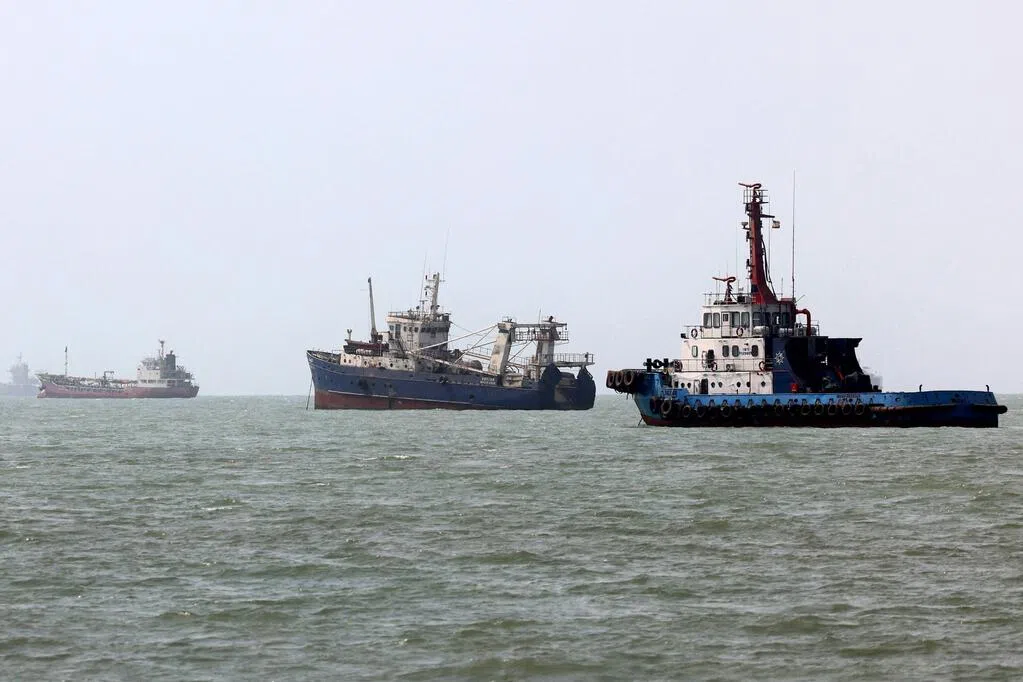
Recent conflicts involving Iran have transformed the waterway into a high-risk zone. Tankers now navigate a perilous environment characterized by the threat of kamikaze drones and targeted attacks. To mitigate these risks, many vessels have been forced to operate in 'silent mode,' disabling their positioning equipment to avoid detection—a desperate measure that underscores the volatility of the region. The human cost has already been felt, with at least 17 sailors losing their lives in the line of duty.
### Architecture of Avoidance: The Rise of Bypass Pipelines
Recognizing that over-reliance on a single chokepoint is a strategic liability, the Gulf monarchies are investing billions of dollars to redraw the map of energy logistics. The goal is no longer just efficiency, but survival and stability.
**The United Arab Emirates** is leading a massive infrastructure push in the port city of Fujairah, located on the Gulf of Oman. Construction crews are working around the clock to install new crude oil pipelines parallel to existing ones. This project is designed to double the UAE's bypass capacity to 3.6 million barrels per day. Once completed, nearly all of Abu Dhabi's onshore crude production can be routed directly to international tankers without ever entering the contested waters of the Strait of Hormuz.
**Saudi Arabia** is similarly accelerating its hedging strategy. The national oil giant, Aramco, is overseeing a massive expansion of the "East-West Pipeline." Originally established during the Iran-Iraq War in the 1980s, this 1,201-kilometer pipeline traverses the Arabian Peninsula to reach the Red Sea port of Yanbu. Saudi officials are now pushing to increase the pipeline's capacity by an additional 1 to 2 million barrels per day, while simultaneously exploring the feasibility of a second, smaller pipeline specifically for refined petroleum products.
### Regional Coordination and Alternative Routes
The trend toward diversification extends beyond the two largest regional powers. Kuwait is currently engaged in high-level diplomatic and technical discussions with Saudi Arabia and other neighbors to establish a pipeline that would link Kuwaiti oil fields to ports in Oman or along the Red Sea coast.
Meanwhile, Iraq is revisiting long-dormant projects to secure its exports. Reports indicate that Iraq and Jordan have restarted plans for a pipeline that could transport up to 1 million barrels of crude per day to the Jordanian port of Aqaba on the Red Sea. Additionally, Baghdad is prioritizing the repair of damaged pipelines intended to move oil from the Kirkuk fields toward the Mediterranean coast via Syria.
### The Global Buffer: Physical Insurance in Asia
Beyond physical pipelines, the Gulf states are implementing a strategy of 'physical insurance' by expanding oil storage capacities thousands of miles away from the conflict zone. By building massive storage hubs in South Korea, Japan, and India, producers are ensuring that if the Strait of Hormuz were to be suddenly closed, a significant volume of oil would already be positioned on the other side of the chokepoint.
This comprehensive shift in strategy highlights a fundamental change in how energy security is perceived. As noted by Ben Cahill, an energy analyst at the University of Texas at Austin, the world is no longer willing to tolerate the vulnerability associated with the Strait of Hormuz. The industry is moving toward a model where security and resilience are valued more highly than the lowest possible transport cost.
By systematically reducing their dependence on this narrow waterway, Persian Gulf nations are not only safeguarding their economic lifelines but also eroding the strategic leverage Iran has historically wielded over the global energy market. While these projects require immense capital and years of construction, they represent a necessary pivot in an age of permanent instability.