Moscow Signals Openness to Trilateral Summit Between Russia, USA, and China
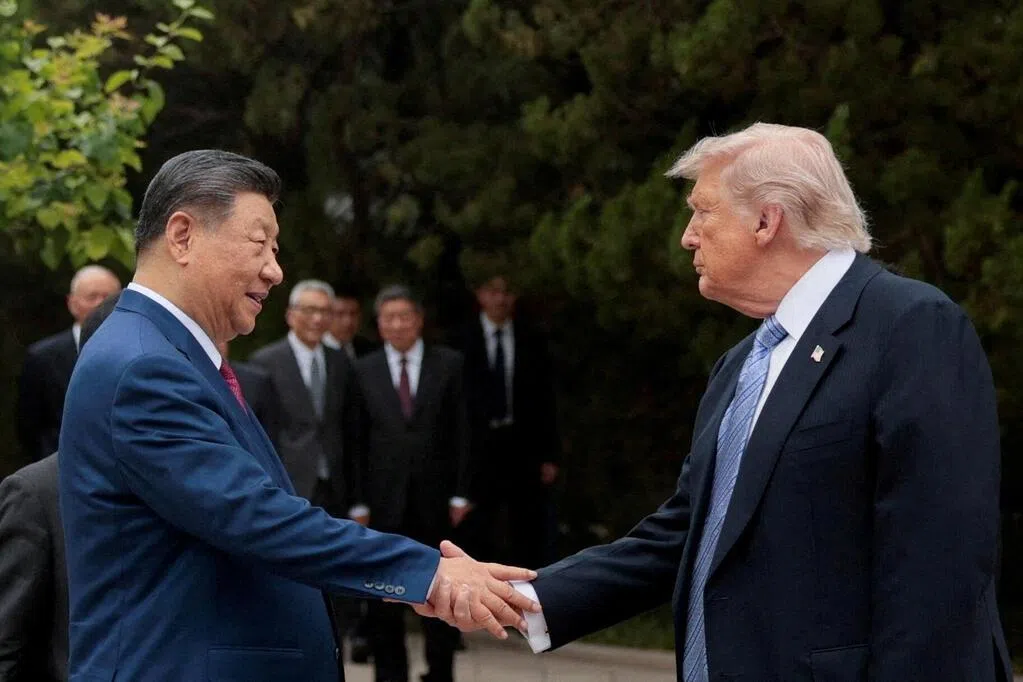
In a significant diplomatic signal, Russian Deputy Foreign Minister Sergey Ryabkov announced on Sunday that the Kremlin is not ruling out the possibility of a trilateral summit involving the top leadership of Russia, the United States, and China. The statement, released via the TASS news agency, suggests a potential willingness in Moscow to engage in high-level multilateral dialogue to address pressing global issues, provided certain prerequisites are met.
According to Ryabkov, the primary obstacle to scheduling such an encounter is not a lack of will, but the need for a concrete and mutually agreed-upon framework. He emphasized that before any practical preparations for the meeting can begin, there must be a comprehensive understanding of the agenda. The Russian official noted that the core challenge lies in determining the substantive content of the discussions and establishing what tangible outcomes the three nations can realistically expect from the summit. This cautious approach indicates that Moscow is seeking more than a mere symbolic photo opportunity; it is looking for a strategic dialogue that can produce actionable results.
The possibility of this high-stakes meeting gained further momentum following suggestions from Yuri Ushakov, a senior advisor to the Kremlin. Ushakov previously proposed that the heads of state—President Vladimir Putin, President Donald Trump, and President Xi Jinping—could convene on the sidelines of the Asia-Pacific Economic Cooperation (APEC) summit, which is scheduled to be held in Shenzhen in November. The APEC summit, known for fostering economic cooperation among Pacific Rim economies, would provide a neutral and prestigious backdrop for such a pivotal diplomatic convergence.
From a geopolitical perspective, a trilateral meeting of this magnitude would be a rare event. The relationship between the three superpowers has been characterized by a complex blend of competition and cooperation. While China and Russia have strengthened their strategic partnership in recent years, relations with the United States have remained fraught with tension over security concerns, trade disputes, and international sanctions. However, the potential for a synchronized meeting suggests a recognition that the world's most powerful actors must find common ground to ensure global stability and avoid unintended escalations.
This diplomatic overture comes at a time when China is aggressively expanding its strategic depth through a series of high-profile diplomatic engagements. From participating in the Shanghai Cooperation Organisation (SCO) summit to engaging with the BRICS bloc, Beijing has positioned itself as a central mediator and a pillar of stability in the international order. The potential for a trilateral summit in Shenzhen would align with this broader strategy of fostering multilateralism and reducing unilateral pressures.
Analysts suggest that the agenda mentioned by Ryabkov could encompass a wide array of sensitive topics, including nuclear non-proliferation, regional security in the Indo-Pacific, and the stabilization of global trade. The complexity of these issues explains why Moscow is insisting on a detailed roadmap before committing to the event. If successful, such a summit could serve as a catalyst for a new era of great-power diplomacy, potentially easing tensions and creating a framework for managed competition.
As the November APEC summit approaches, the international community will be closely watching the diplomatic channels between Washington, Beijing, and Moscow. Whether the proposed trilateral meeting materializes will depend heavily on the ability of the three nations to align their interests and define a path toward mutual benefit in an increasingly fragmented global landscape.