Heartbreak in Sokoto: Dozens of Children Perish in Overloaded Boat Disaster
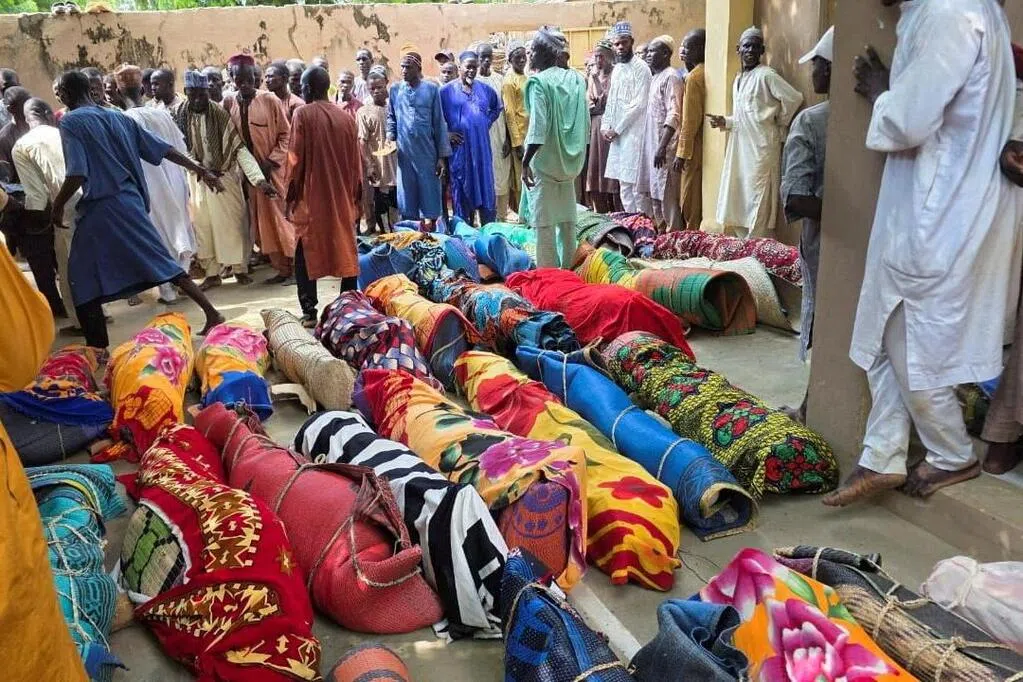
In a devastating turn of events that has left a community in mourning, a maritime tragedy has struck the northwestern region of Nigeria. In Sokoto State, a vessel severely burdened by an excessive number of passengers overturned, leading to a catastrophic loss of life. Official reports confirm a heartbreaking toll, with the remains of approximately 40 children recovered from the water, marking one of the most tragic accidents in the region's recent history.
According to a formal announcement released by Abdulqadir Yusuf, the Regional Manager of the National Inland Waterways Authority (NIWA), the scale of the disaster is profound. Yusuf confirmed on Thursday that recovery teams had identified and retrieved the bodies of dozens of young victims. The announcement has sent shockwaves through the province, as the community grapples with the sudden loss of so many children.
Local accounts provide a glimpse into the circumstances leading up to the accident. Sarkin Dagi, a respected traditional leader in the area, noted that the incident took place on Thursday morning. The passengers, including the children, were utilizing the waterway as a primary means of transport to reach agricultural lands. They were reportedly heading to the fields to participate in the critical seasonal tasks of planting or harvesting rice, a staple crop and a primary source of livelihood for many families in the region. The fact that children were involved in these agricultural journeys highlights the intersection of economic necessity and the inherent risks of rural transport.
On the ground, the scene has been one of grief and desperation. Nasiru Golau, a resident of the affected community, described the grueling efforts of local divers who have been working tirelessly to retrieve the deceased from the depths of the water. While some bodies have been recovered, the search operations remain active, as there are fears that more victims may still be missing beneath the surface.
This disaster is not an isolated event but rather a symptom of a chronic and systemic crisis regarding water safety in Nigeria. For years, the country's inland waterways have been plagued by a lack of stringent oversight and a failure to enforce safety protocols. Many vessels operating in these regions are poorly maintained, outdated, and routinely operated far beyond their intended capacity. The absence of life jackets and the lack of certified crew members further exacerbate the danger for passengers who have few other options for transport.
History repeats itself with alarming frequency in the region. Just a few months prior, in January, a similar tragedy unfolded in Yobe State in the northeast. In that instance, a leaking boat capsized, resulting in at least 25 fatalities. The recurrence of such accidents suggests a pattern of negligence and a dire need for an overhaul of the national maritime safety framework. Experts argue that without strict enforcement of passenger limits and mandatory safety equipment, the inland waterways will remain death traps for the rural population.
As the people of Sokoto bury their children, the tragedy serves as a grim reminder of the vulnerabilities of Nigeria's rural infrastructure. The loss of such a large number of children not only represents a human tragedy but also a blow to the future of the community. There are now growing calls for the government to move beyond mere recovery efforts and implement lasting structural changes to ensure that no more families have to endure the agony of such a preventable disaster.