Middle East on Edge: US Warns of Escalation as Houthi Missile Targets Riyadh
The geopolitical landscape of the Middle East has entered a period of acute volatility following a series of aggressive maneuvers by the Houthi rebels in Yemen. On Saturday, the United States government issued a stark alert, warning that the ongoing hostilities between the Houthi militants and the Kingdom of Saudi Arabia could escalate precipitously. This warning comes at a time when the regional balance of power is under severe strain, prompting the U.S. State Department to advise American citizens to seriously reconsider any planned travel to the area due to the unpredictability of the security situation.
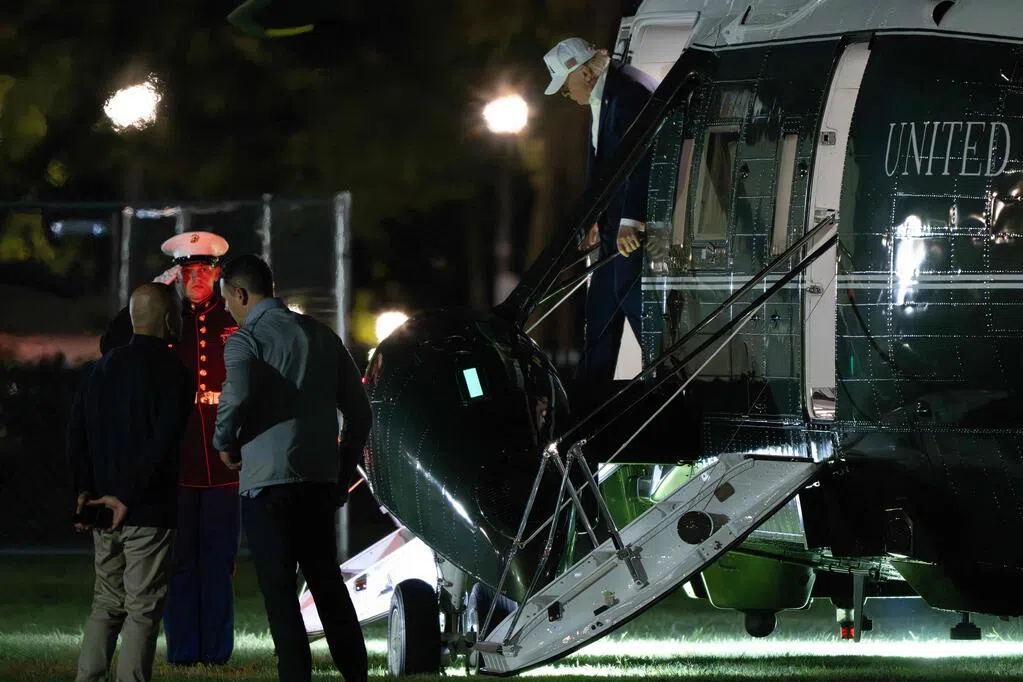
In a move that has sparked intense speculation among political analysts and intelligence circles, President Donald Trump abruptly terminated his weekend getaway at Camp David in Maryland. The president returned to the White House on Saturday evening, a deviation from the usual presidential schedule that rarely occurs without a significant catalyst. While the White House has maintained a strategic silence regarding the reason for this sudden change in itinerary, the timing suggests that the crisis in Yemen has reached a threshold requiring immediate executive attention. Typically, the president's weekend retreats are strictly scheduled, and a sudden return is often indicative of an unfolding emergency that necessitates direct coordination with national security advisors.
The urgency of the situation was underscored by a dramatic event in the Saudi capital. For the first time in recent history, air defense sirens wailed across Riyadh on Saturday morning, signaling an immediate aerial threat. According to statements from the Saudi-led coalition, the kingdom's advanced air defense systems successfully intercepted a missile launched by Houthi forces targeting the heart of the Saudi administration. This attack represents a significant escalation in the conflict, as it brings the war directly to the doorstep of the Saudi leadership, moving beyond the peripheral border skirmishes that have characterized much of the conflict.
Over the past several weeks, the Houthi rebels have transitioned from defensive postures to a high-tempo offensive. Their lightning-fast military operations have allowed them to seize vast swathes of Yemeni territory, a surge that has unfortunately resulted in hundreds of casualties and a deteriorating humanitarian situation. Beyond territorial expansion, the Houthis have strategically targeted Saudi Arabia's economic lifeline—its petroleum infrastructure. By launching strikes on oil facilities, the rebels aim to exert pressure on the Saudi government by threatening global energy stability and the kingdom's primary source of national revenue.
In response to these threats, the international community is beginning to recalibrate its support. Turkey has indicated its intention to adhere to common defense agreements, suggesting that it may provide Saudi Arabia with critical military technical support to bolster its defenses against further missile and drone incursions. This potential alignment underscores the regional fear that the Houthi insurgency could destabilize the entire Arabian Peninsula if not contained.
As the United States monitors the situation, the risk of a wider regional war looms. The convergence of territorial losses in Yemen, the targeting of critical oil assets, and the direct assault on Riyadh has created a combustible environment. The sudden return of the U.S. president to the White House, combined with the State Department's warnings, suggests that the window for a diplomatic resolution is closing, and the possibility of a significant military escalation has become a pressing reality for global security.