First Lady Melania Trump Facilitates Local Ceasefire in Oleshky to Alleviate Humanitarian Crisis
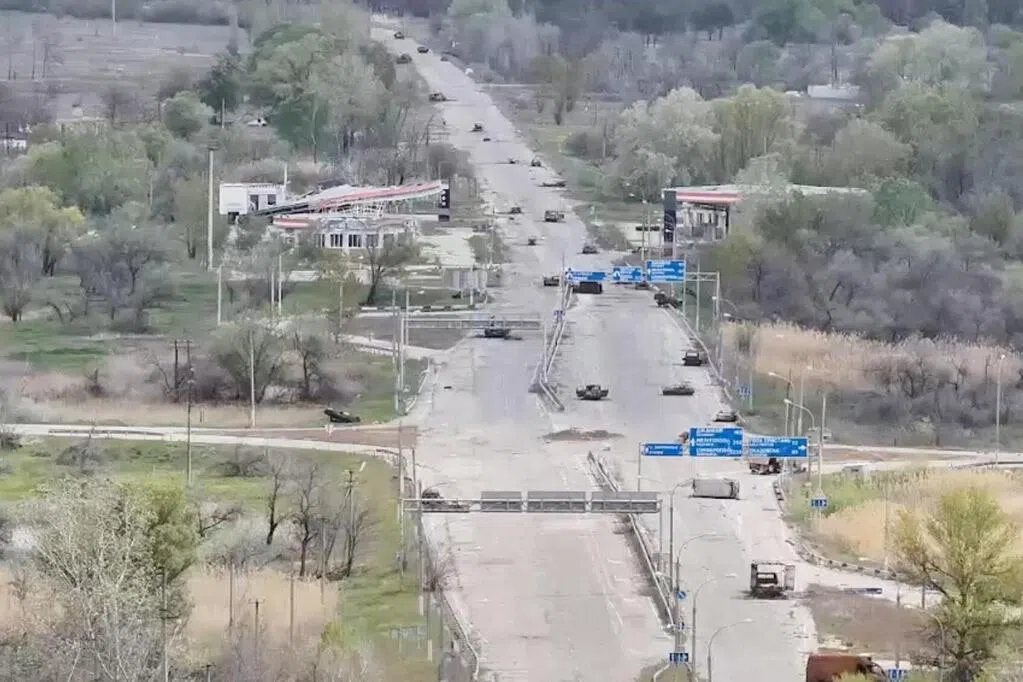
In a significant diplomatic breakthrough aimed at mitigating human suffering, the White House announced this past Friday that First Lady Melania Trump has successfully mediated a localized ceasefire agreement between the Russian Federation and Ukraine. The agreement focuses specifically on the city of Oleshky, a strategic urban center in southern Ukraine that has remained under Russian occupation since the escalation of hostilities in February 2022.
According to the official statement, the cessation of hostilities is scheduled to officially take effect on October 29. The primary objective of this arrangement is not a broad political resolution, but a targeted humanitarian intervention. Both warring parties have agreed to suspend all military activities within the boundaries of Oleshky to create a window of safety. This window is intended to facilitate the delivery of essential humanitarian aid and to establish designated secure corridors through which remaining civilians can evacuate the conflict zone without fear of targeted attacks.
Reports from within Oleshky have painted a grim picture of the current state of affairs. Local residents have signaled a rapidly deteriorating food security situation, describing an intensifying famine that has left the population on the brink of collapse. The city has become a pocket of isolation, where the basic necessities of survival—food, clean water, and medicine—have become luxuries.
Melania Trump, who has been working quietly behind the scenes to coordinate these efforts, expressed deep concern over the plight of those trapped in the city. In her statement, she emphasized that Oleshky is currently teetering on the edge of a total humanitarian disaster. She highlighted the vulnerability of the city's remaining inhabitants, noting that the majority of the population consists of elderly citizens. These individuals are often unable to flee on their own and are in desperate need of urgent medical assistance, prescription pharmaceuticals, and basic nutritional support.
This diplomatic effort is part of a broader pattern of humanitarian advocacy by the First Lady. Prior to this agreement, Mrs. Trump has been actively engaged in high-level coordination to ensure that Ukrainian children, who were forcibly relocated to Russia during the conflict, are reunited with their biological families. Her focus on the most vulnerable populations—children and the elderly—has become a cornerstone of her recent diplomatic engagements.
Analysts suggest that while a local ceasefire in a single city does not signal an end to the wider war, it provides a vital precedent for how humanitarian corridors can be negotiated even amidst intense conflict. The focus on Oleshky is particularly critical given the city's location in the south, where logistics for aid delivery have been complicated by frontline combat and destroyed infrastructure.
As the October 29 deadline approaches, international aid organizations are preparing to mobilize. The success of this mission will depend heavily on the strict adherence to the ceasefire terms by both military forces on the ground. If successful, the Oleshky agreement could serve as a blueprint for similar localized truces in other occupied territories, prioritizing human life and basic rights over strategic military positioning. For now, the eyes of the international community remain on the southern front, hoping that the diplomatic bridge built by the First Lady will lead to a tangible reduction in civilian casualties and a reprieve from the famine gripping the city.