Pyongyang Issues Stern Warning as US-South Korea Ulchi Freedom Shield Drills Intensify
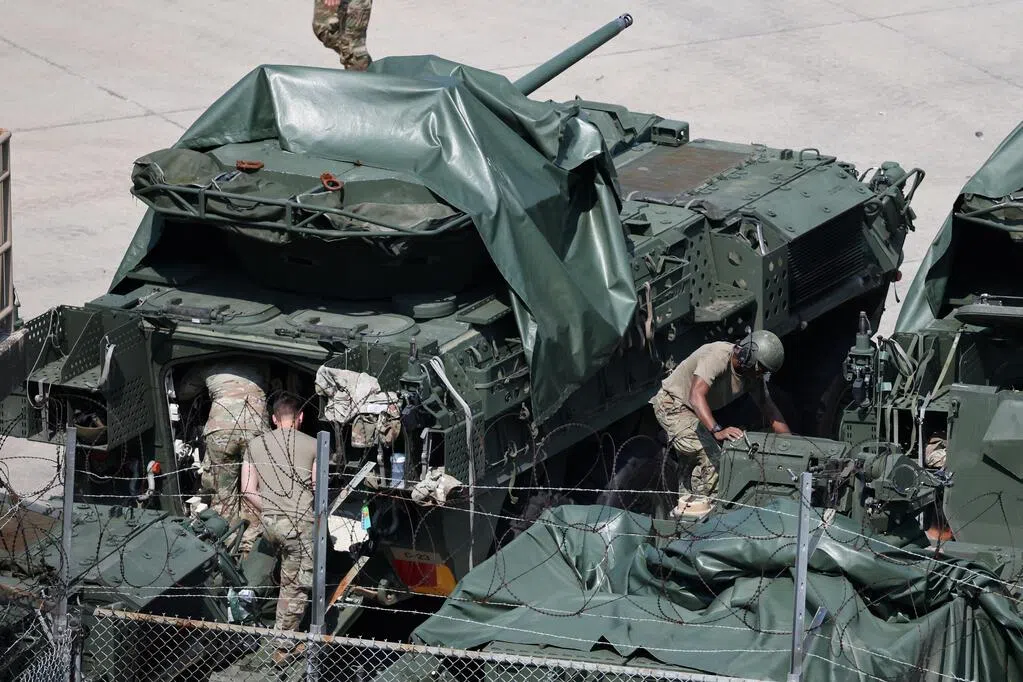
The Korean Peninsula is once again witnessing a sharp escalation in diplomatic and military tensions as Pyongyang reacts with fury to the latest iteration of the 'Ulchi Freedom Shield' (UFS) joint military exercises. In a blistering commentary released via the Korean Central News Agency (KCNA), North Korea denounced the maneuvers—conducted by the United States and South Korea from August 17 to 27—as a provocative act that jeopardizes the security environment of the entire region. According to the state media, these drills have pushed the already fragile situation on the peninsula to a perilous 'critical point,' where the risk of an actual armed conflict has become alarmingly high.
Pyongyang's rhetoric suggests that the UFS exercises are not merely defensive routines but are instead sophisticated rehearsals for a full-scale invasion. The commentary emphasizes that the scale, methodology, and overall complexity of these drills have evolved significantly over time, becoming increasingly dangerous with each passing year. By integrating modern warfare tactics and enhancing the realism of the simulations, the U.S.-South Korea alliance is seen by the North as attempting to secure a strategic advantage and establish a dominant military foothold in East Asia. The North Korean leadership further criticized Seoul, alleging that South Korea has essentially transformed its territory into a training camp for the U.S. military and a staging area for multinational forces intended for aggression.
In response to what it describes as destructive threats, North Korea has signaled a shift toward a more aggressive defensive posture. The state media explicitly stated that any hostile entities attempting to infringe upon the sovereignty and security of the Democratic People's Republic of Korea (DPRK) are now firmly within the scope of its retaliatory targets. Pyongyang asserts that the right to self-defense is absolute and that it will not hesitate to employ 'new and upgraded' forces to counter the perceived hostility. This commitment to escalating its military capabilities suggests that the North may pursue further missile tests or tactical advancements to maintain a credible deterrent against the combined strength of the U.S. and South Korean militaries.
The geopolitical friction is further complicated by the internal political dynamics of the United States. Reports indicate that the duration of the annual exercises was adjusted, with some sources noting that former President Trump's previous requests to reduce the scale or timing of such drills had an impact on the military calendar. This suggests a tug-of-war between the strategic necessity of maintaining a strong alliance presence in Seoul and the desire to avoid unnecessary provocations that could lead to an uncontrollable crisis.
Observers note that this cycle of joint exercises followed by fierce condemnation from Pyongyang has become a predictable pattern, yet the intensity of the current rhetoric indicates a deepening divide. While the U.S. and South Korea maintain that these exercises are essential for readiness and deterrence, the DPRK views them as a catalyst for instability. As the window for the UFS drills closes, the regional community remains on high alert, fearing that a single miscalculation during this period of heightened sensitivity could ignite a conflict that neither side can easily contain. The insistence by Pyongyang that it will 'thoroughly eliminate' military threats underscores a dangerous period of brinkmanship that continues to define the security architecture of Northeast Asia.