Belgium Battles Historic Wildfires as Flames Push Toward German Border
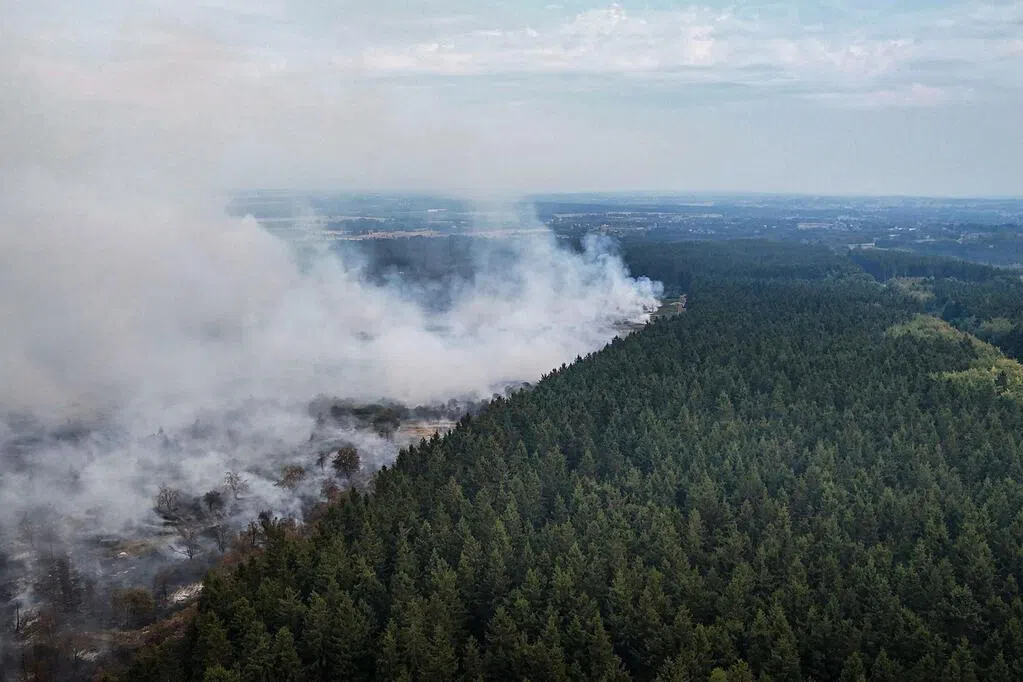
Belgium is currently grappling with a natural disaster of unprecedented proportions as a massive forest fire continues to ravage the eastern part of the country. The inferno, which has already incinerated roughly 3,000 hectares of land, is currently threatening the border with Germany, prompting a state of high alert and the urgent evacuation of hundreds of civilians from the danger zone.
The blaze erupted on Friday, August 14, within the High Fens nature reserve, a region known for its unique ecological value and challenging topography. According to reports from Reuters and AFP, this event marks the most significant wildfire in Belgian history. To put the scale into perspective, the current devastation is more than double the size of the 2011 fires, which scorched 1,400 hectares. As of Sunday morning, firefighting teams reported that the situation remains volatile and the flames are not yet under control.
As the wind patterns shifted and thick, acrid smoke blanketed the region, local authorities were forced to take drastic measures on Saturday afternoon. Approximately 600 people, including local residents, tourists, and a group of children attending a summer camp, were ordered to leave their homes and campsites immediately. To manage the displaced population, the Belgian Red Cross has established emergency shelters in nearby gymnasiums, providing displaced families with essential food, clean drinking water, and critical information regarding the fire's progression.
On the ground, the response has been massive. Over 250 Belgian firefighters and emergency responders have been deployed to the front lines. Recognizing the severity of the crisis, neighboring Germany and Luxembourg have also dispatched personnel to assist in the containment efforts. However, spokesperson for the local government warned that the risk of the fire spreading into residential areas remains high, and crews are working around the clock to create firebreaks to halt the advance of the flames.
One of the primary obstacles hindering the operation is the complex terrain of the High Fens. The rugged landscape has made it nearly impossible for traditional ground vehicles and firefighting equipment to reach the heart of the blaze, leaving the operation heavily dependent on aerial intervention. In response, Belgium immediately activated the European Union's Civil Protection Mechanism to request international reinforcements.
Hadja Lahbib, the EU Commissioner for Humanitarian Aid and Crisis Management, confirmed that the European Union coordinated the deployment of five aircraft on Saturday. This fleet includes three helicopters and two specialized firefighting planes sourced from the Czech Republic, Sweden, and the Netherlands. These assets are critical for dropping water and retardants in areas that remain inaccessible to ground crews.
During an interview with AFP, Commissioner Lahbib noted that this catastrophe is a stark reminder of the intensifying effects of climate change across the continent. She observed that the wildfire season has started earlier than ever before and has reached latitudes previously untouched by such severe events. This fire is not an isolated incident but is linked to a broader pattern of extreme weather; Europe is currently enduring its fifth heatwave of the summer. With temperatures in some parts of Belgium peaking at 37 degrees Celsius on August 14, the combination of extreme heat and prolonged drought has created a tinderbox environment, allowing the fire to spread with terrifying speed.