France Grapples with Historic Debt Surge as Fiscal Deficits Reach Critical Levels
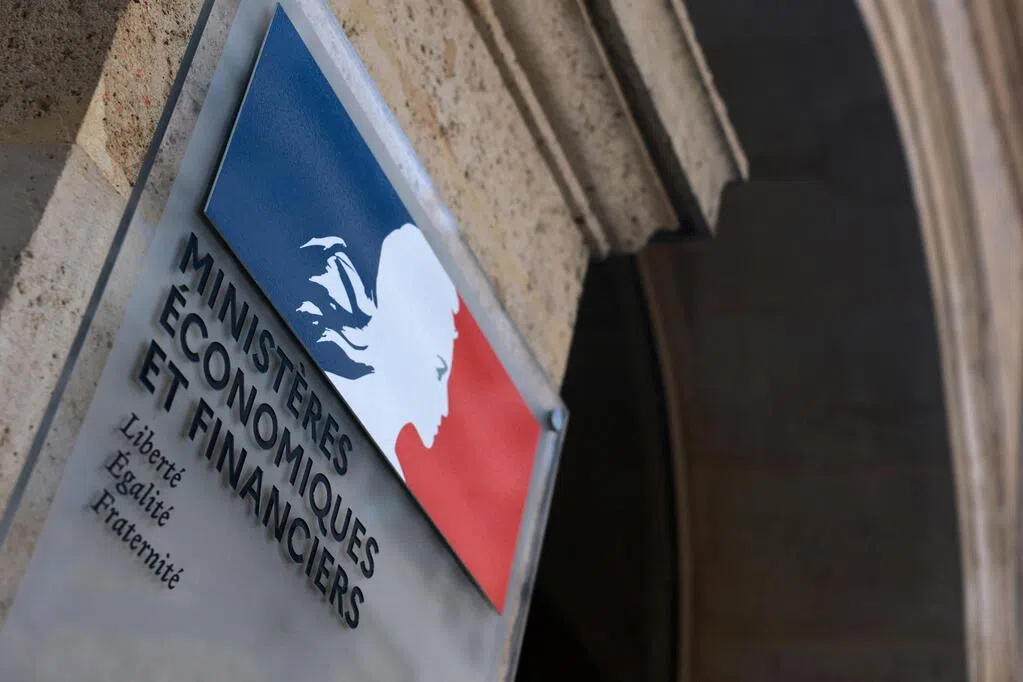
The French Republic is currently navigating one of its most challenging economic periods in decades, as a combination of rising deficits and sluggish growth pushes the nation's public debt toward a historic peak. According to recent data provided by the French Treasury to the High Council of Public Finance (HCFP), the country is on a trajectory that could see its debt levels reach heights not witnessed since 1978, signaling a deepening crisis in public financial management.
The projections are stark. Fiscal analysts expect that by 2026, France's public debt will account for 119.3% of its gross domestic product (GDP), with that figure climbing further to 121.7% by 2027. This represents a dramatic shift from just a few years ago; in 2019, the debt-to-GDP ratio remained below the 100% threshold. However, by 2025, this figure is expected to have already hit 115.7%. The National Institute of Statistics and Economic Studies has highlighted that these numbers underscore a systemic deterioration of the state's balance sheet.
At the heart of this escalation is a persistent and widening fiscal deficit. For the current year, the deficit is anticipated to reach 5.4% of GDP, a notable increase from the 5.1% recorded in the previous year. These figures place France in a precarious position within the Eurozone, where it now trails only Greece and Italy in terms of debt burden. This situation puts Paris in direct conflict with European Union fiscal regulations, which mandate that member states keep their annual deficits below 3% of GDP and maintain total public debt under 60%.
Government officials have pointed to a variety of external shocks as catalysts for this financial decline. Geopolitical instability, particularly the ongoing conflicts in the Middle East, combined with the unpredictable impact of extreme weather patterns, has exerted significant pressure on economic growth and dampened government revenues. In response to these headwinds, the French government has been forced to revise its economic growth forecasts downward three times this year, eventually slashing the projection from 0.7% to a meager 0.5%.
In an effort to stem the tide, Prime Minister Lecornu recently unveiled a sweeping austerity package for the 2027 budget. The proposed measures involve spending cuts and revenue increases totaling approximately 54 billion euros, aimed at dragging the deficit rate down to 5%. The Prime Minister issued a stern warning that failure to implement these cuts could result in the deficit spiraling to 6.5% by next year, potentially triggering further credit rating downgrades and increasing the cost of borrowing for the state.
However, the path to fiscal recovery is fraught with political peril. France is heading toward national elections, and the electorate is already agitated by the rising cost of living. Because the current parliament is deeply polarized, the government faces a steep uphill battle to pass these measures. Specifically, proposals to reduce tax benefits for retirees have become a flashpoint of contention. Prime Minister Lecornu has indicated that the final decision on these sensitive items will be left to the National Assembly, knowing full well that the legislative environment is volatile.
Opponents of the plan, most notably the left-wing La France Insoumise party, have condemned the austerity drive. They argue that the proposed cuts are indiscriminate and will disproportionately affect the most vulnerable segments of society, exacerbating poverty and inequality. As the government attempts to balance the books to satisfy EU regulators, it must simultaneously manage a fragile social contract and a divided political landscape, leaving the nation's financial future hanging in the balance.